Is Goofish (Xianyu) Safe? A Buyer’s Guide to Avoiding Scams in 2026
Last updated: 31 August 2026
Is Goofish safe? The platform itself is as legitimate as they come — it’s Xianyu, owned by Alibaba, and hundreds of millions of people across China buy and sell on it. The app isn’t going to rob you. The real risks sit elsewhere. It’s a second-hand marketplace built on individual sellers, so condition and honesty vary from listing to listing, and for anyone buying from outside China there’s a second danger that has nothing to do with Goofish at all: handing money to sketchy “I’ll buy it for you” operators who answer to no one. This guide separates the real risks from the imaginary ones and shows you how to buy from Goofish without getting burned.
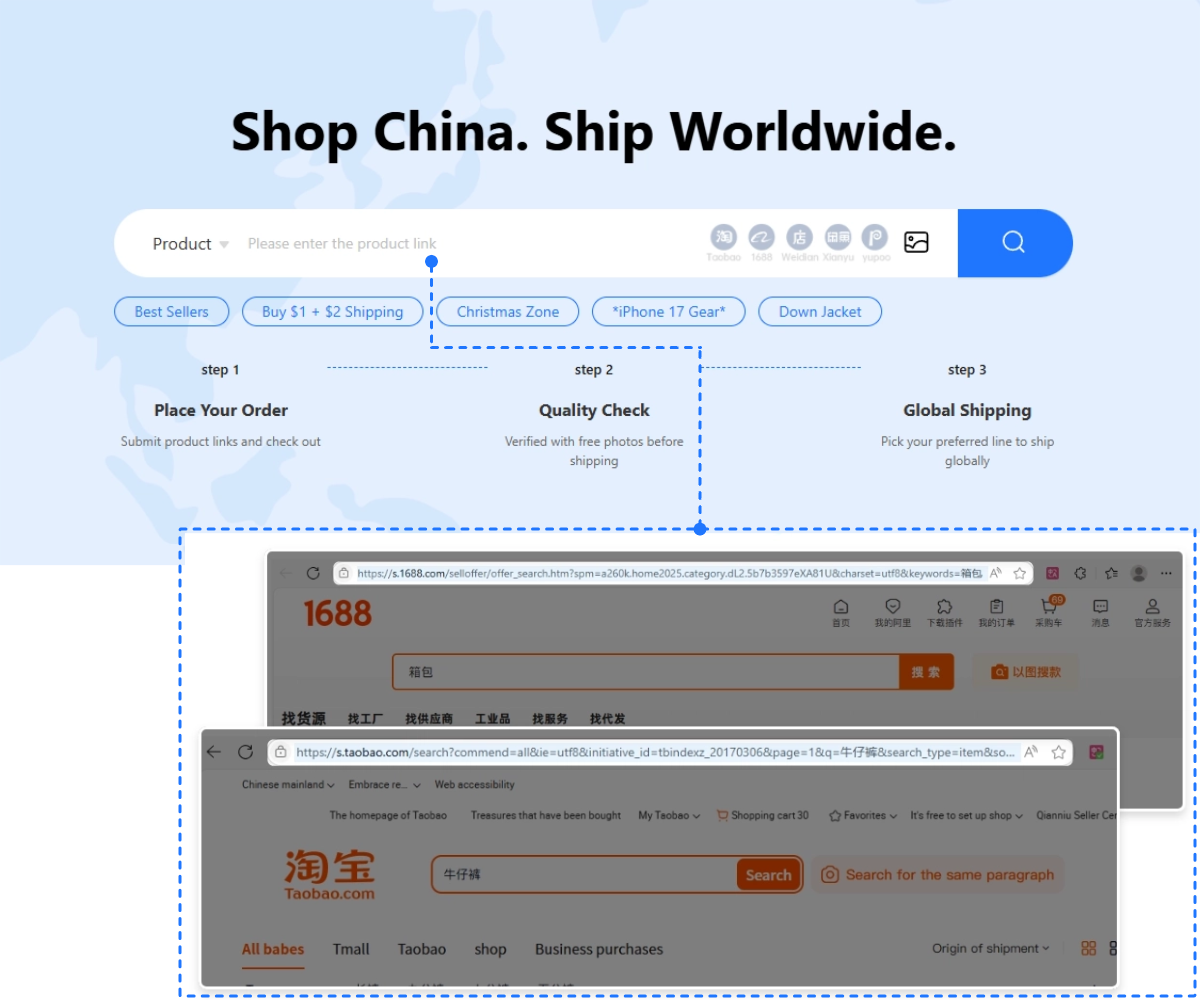
Found something on Xianyu? Paste the link.
We’ll open the item on Fishgoo so you can see the price and order it. Taobao, Tmall, 1688 and Weidian links work too.
Is Goofish a legitimate platform?
Yes, completely. Goofish is the name used internationally for Xianyu, the second-hand and peer-to-peer marketplace Alibaba launched back in 2014. It’s one of the biggest resale platforms on earth, woven into daily life in China the way eBay and Vinted are elsewhere. When people ask whether Goofish is a scam, the honest answer is that the platform is the opposite of a scam — it’s a mainstream Alibaba property with buyer protections, seller ratings, and an in-app dispute system.
So the app is safe. What isn’t guaranteed is any single seller on it, because most listings come from private individuals rather than vetted shops. That’s the same trade-off you accept on any resale marketplace: enormous choice and low prices, in exchange for having to judge each seller yourself. The good news is that judging them is learnable, and a Goofish agent does a lot of it for you. If you want the plain mechanics of buying first, the how to buy from Goofish walkthrough covers the process; this page is about doing it safely.
What are the real risks of buying on Goofish?
Five risks come up again and again, and they’re very different in how likely they are and how much damage they do. Seeing them laid out helps you spend your caution where it counts.
| Risk | How common | How you avoid it |
|---|---|---|
| Condition not as described | Common on used goods | QC photos before shipping; ask for extra shots first |
| Counterfeit sold as genuine | Occasional, mostly on branded items | Buy from established sellers; check QC photos closely |
| Seller doesn’t ship or disappears | Uncommon with rated sellers | Agent screens history; payment held until item arrives |
| Paying an unaccountable middleman | The big one for foreign buyers | Use a reputable agent, not a random “buy for me” stranger |
| Wrong size, hard to return | Common on clothing and shoes | Convert sizes up front; approve at QC stage |
Notice the pattern: nearly every risk is caught at the same checkpoint — someone actually looking at the item, in China, before it ships to Europe. That checkpoint is the whole reason a purchasing agent exists, and it’s why buying blind from a stranger is the version that goes wrong.
Is it safe to buy second-hand from individual sellers?
It’s safe when you check the seller and inspect the item — risky when you skip both. Because Goofish is people selling their own things, the single biggest variable is condition. A listing that says “99% new” might arrive with a scuff the photos quietly hid, or a gadget with a tired battery nobody mentioned. This isn’t usually malice; it’s a stranger’s optimism about their own stuff. Either way, it’s your money.
Two habits neutralise it. First, read the seller’s track record — Xianyu shows transaction history, response rate, and buyer feedback, and a long run of good reviews tells you more than any single photo. Second, insist on QC photos through your agent before the item ships, so you’re approving the real condition rather than the listing’s version of it. Do both and second-hand buying stops being a gamble. The same logic keeps you safe on Taobao, with the one difference that Goofish sellers are individuals, so seller vetting matters even more.
How do you spot a Goofish scam or a bad seller?
Most bad experiences telegraph themselves in advance if you know the signals. Watch for these:
- A brand-new account with no history. Everyone starts somewhere, but zero track record plus a high-value item is a reason to be careful.
- A price far below the going rate. If a sought-after item is suspiciously cheap, treat it as a question to investigate, not a bargain to grab.
- Evasive answers. A seller who won’t send extra condition photos or dodges direct questions is telling you something.
- Pressure to hurry. “Pay now or I’ll sell it to someone else” is a classic push tactic.
- Requests to pay off-platform. Anyone steering you away from the platform’s own payment and protection is the reddest flag there is.
When you buy through Fishgoo, the team reads all of this in Chinese and flags a seller who trips these wires before any money moves. That screening is your first line of defence; the QC photos are the second. Neither exists if you’re paying a stranger directly through a chat app.
Are the items on Goofish authentic?
It’s a mix, and honesty here matters more than reassurance. Most of what sells on Goofish is exactly what it looks like — genuine second-hand cameras, sneakers, cards, and gadgets that people no longer want. But it’s an open marketplace, so counterfeits and replicas do appear, especially around branded fashion and accessories. No agent can turn a fake into a real one, and no one can offer cast-iron authentication of luxury goods from photos alone.
What you can do is stack the odds heavily in your favour: buy from sellers with long, clean histories, compare the asking price against what the genuine item normally fetches, and study the QC photos before you approve shipping. If you’re chasing a specific used item like a pair of sneakers, knowing the details that separate genuine from fake — and having your agent photograph exactly those details — is how careful buyers stay out of trouble. Go in clear-eyed and Goofish is a goldmine; go in careless and it’s a lesson.
The safest way to buy from Goofish as a foreigner
The most dangerous risk for an international buyer isn’t on Goofish at all — it’s how you reach it. Because you can’t check out directly without a Chinese account, Alipay, and a domestic address, people go looking for someone to buy on their behalf, and that’s where the genuine scams live. Random “I’ll grab it for you” offers in forums and chat groups, or fly-by-night sites with no track record, can simply take your money and vanish. The platform never touched you; the middleman did.
The safe version is a reputable Goofish agent with a real business behind it. Here’s what that structure buys you:
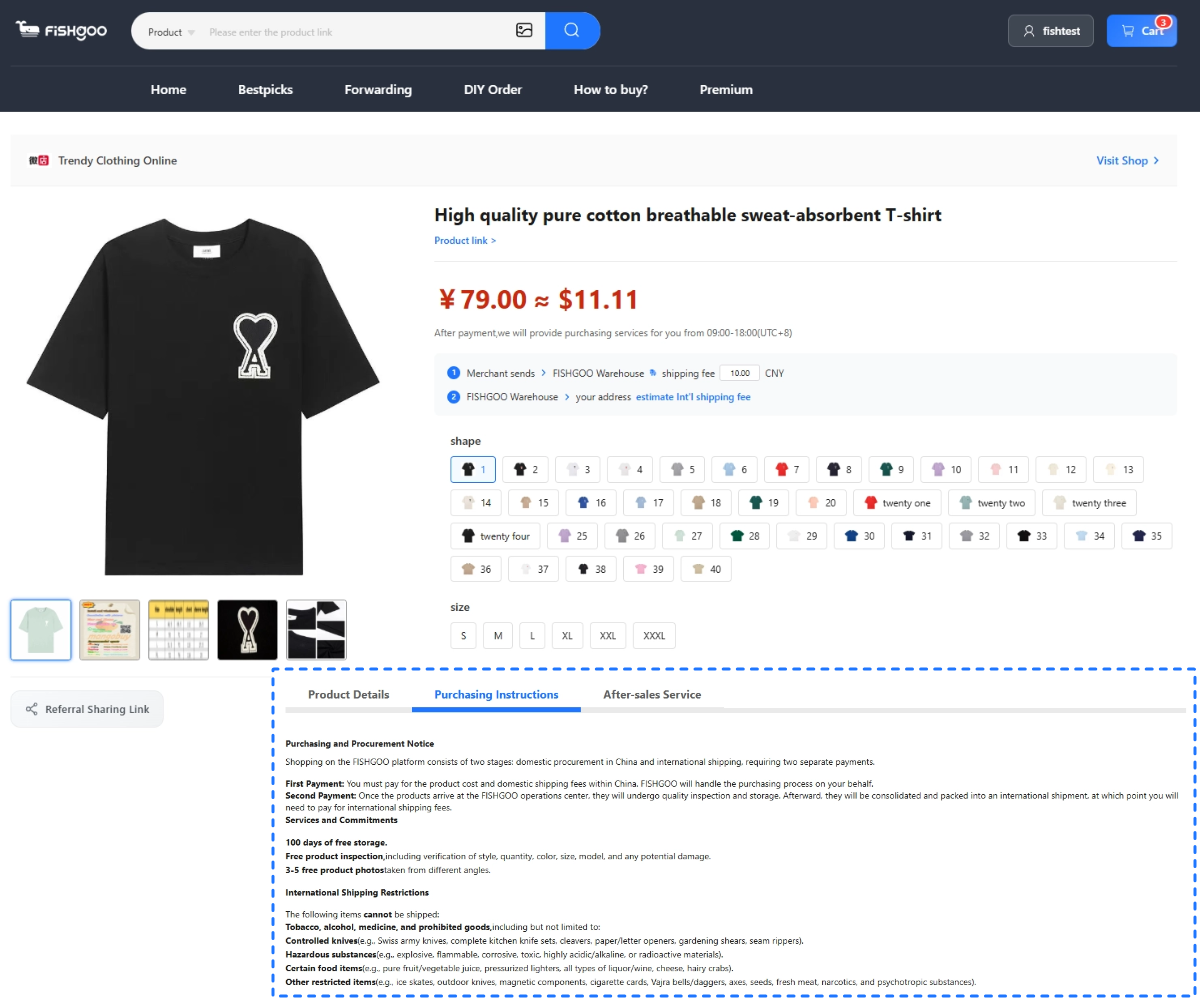
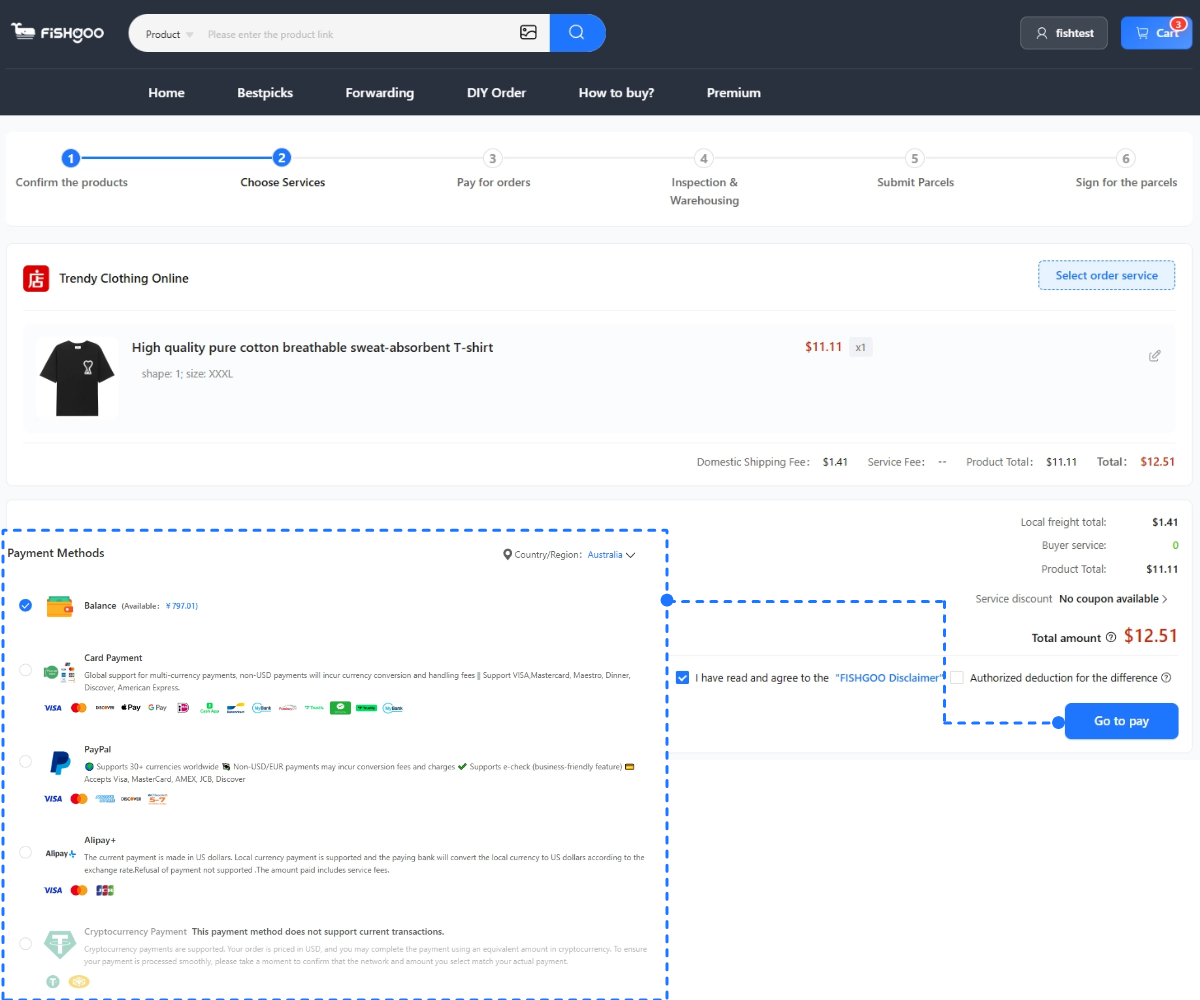
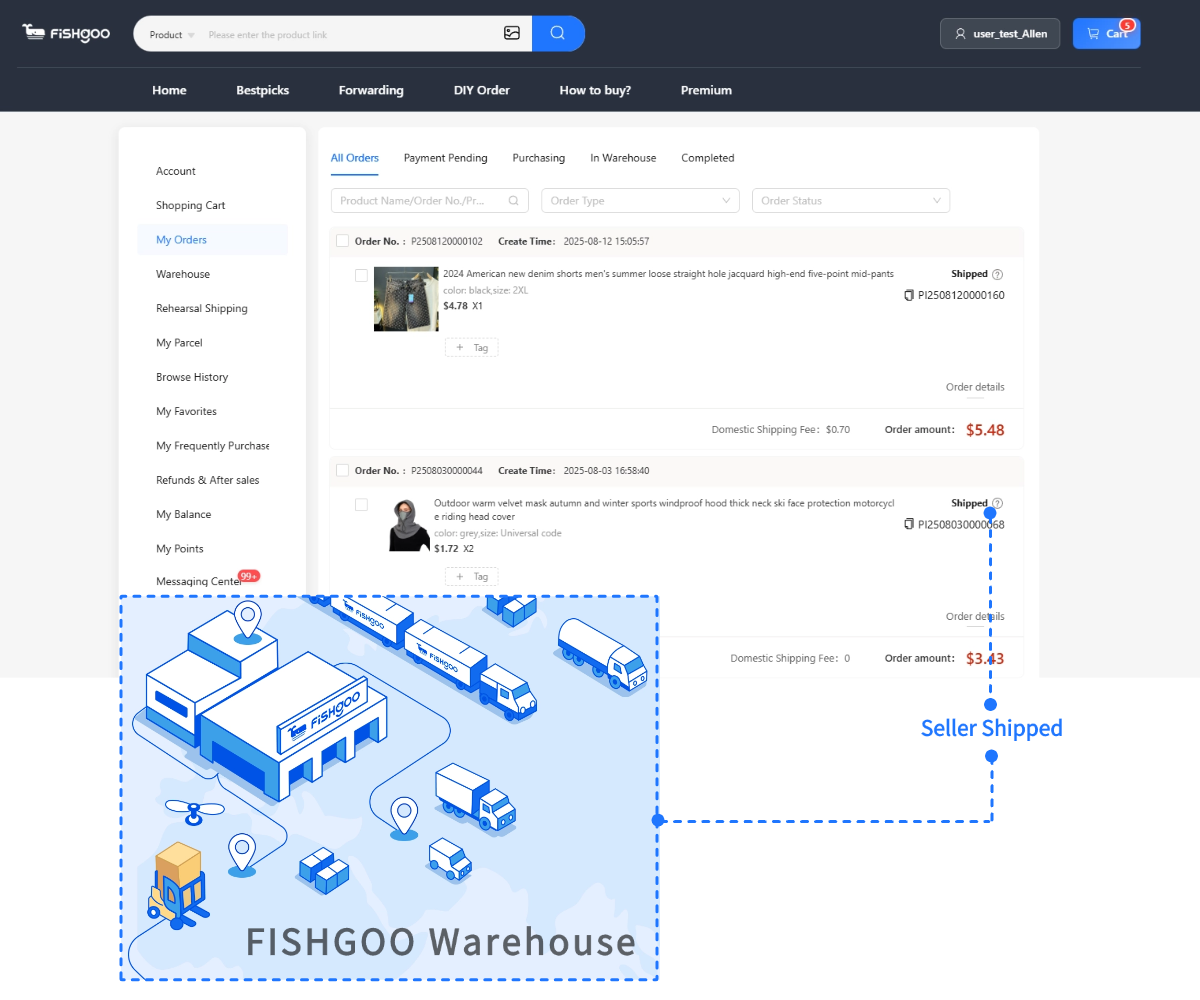
- Your money isn’t handed to a stranger. The agent pays the seller through Alipay and holds your item at a warehouse — you’re dealing with an accountable company, not an anonymous account.
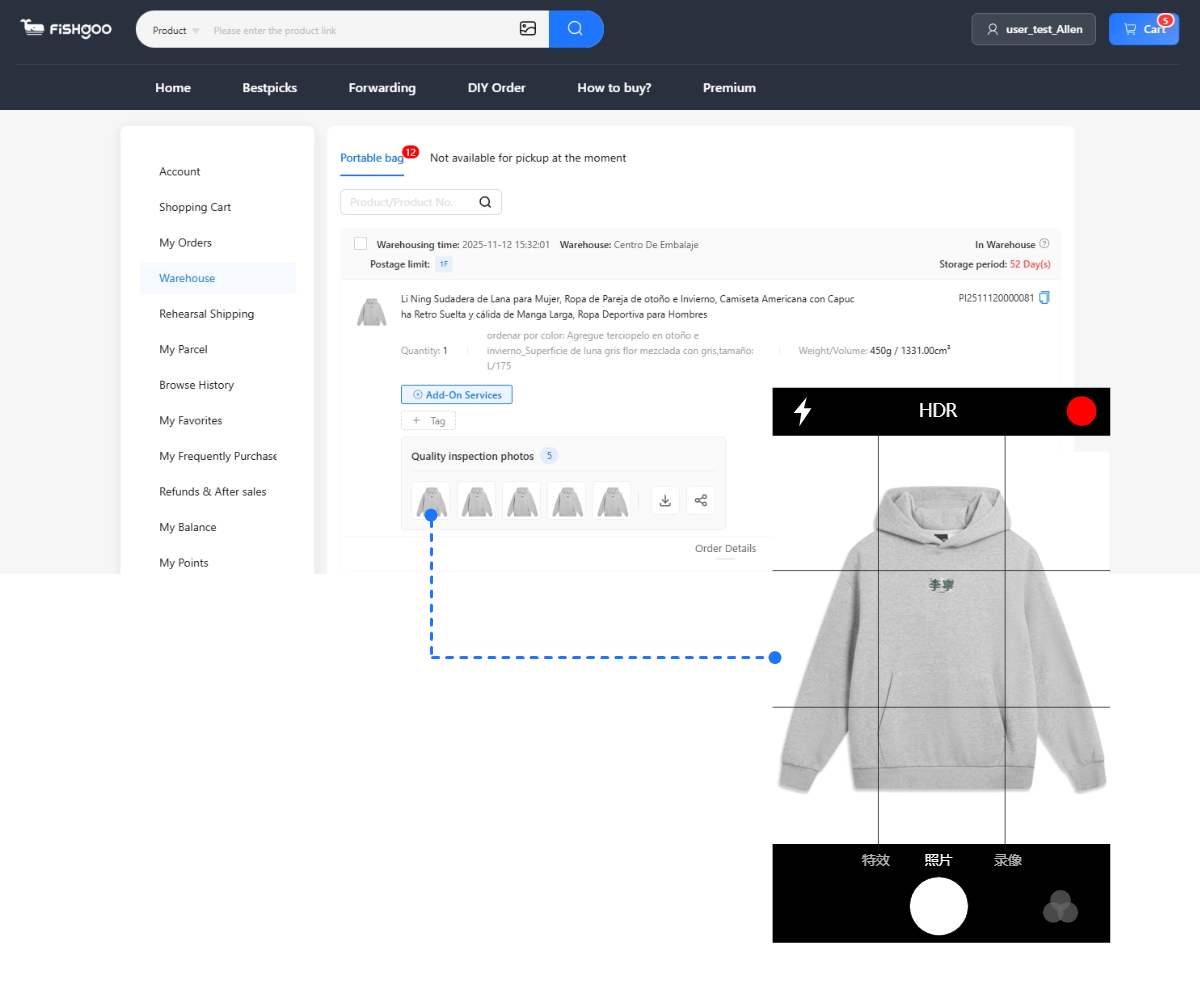
- You see the item before it travels. QC photos mean you approve the real condition while you still have options.
- There’s a process when things go sideways. A proper agent mediates with the seller and uses the platform’s dispute system on your behalf.
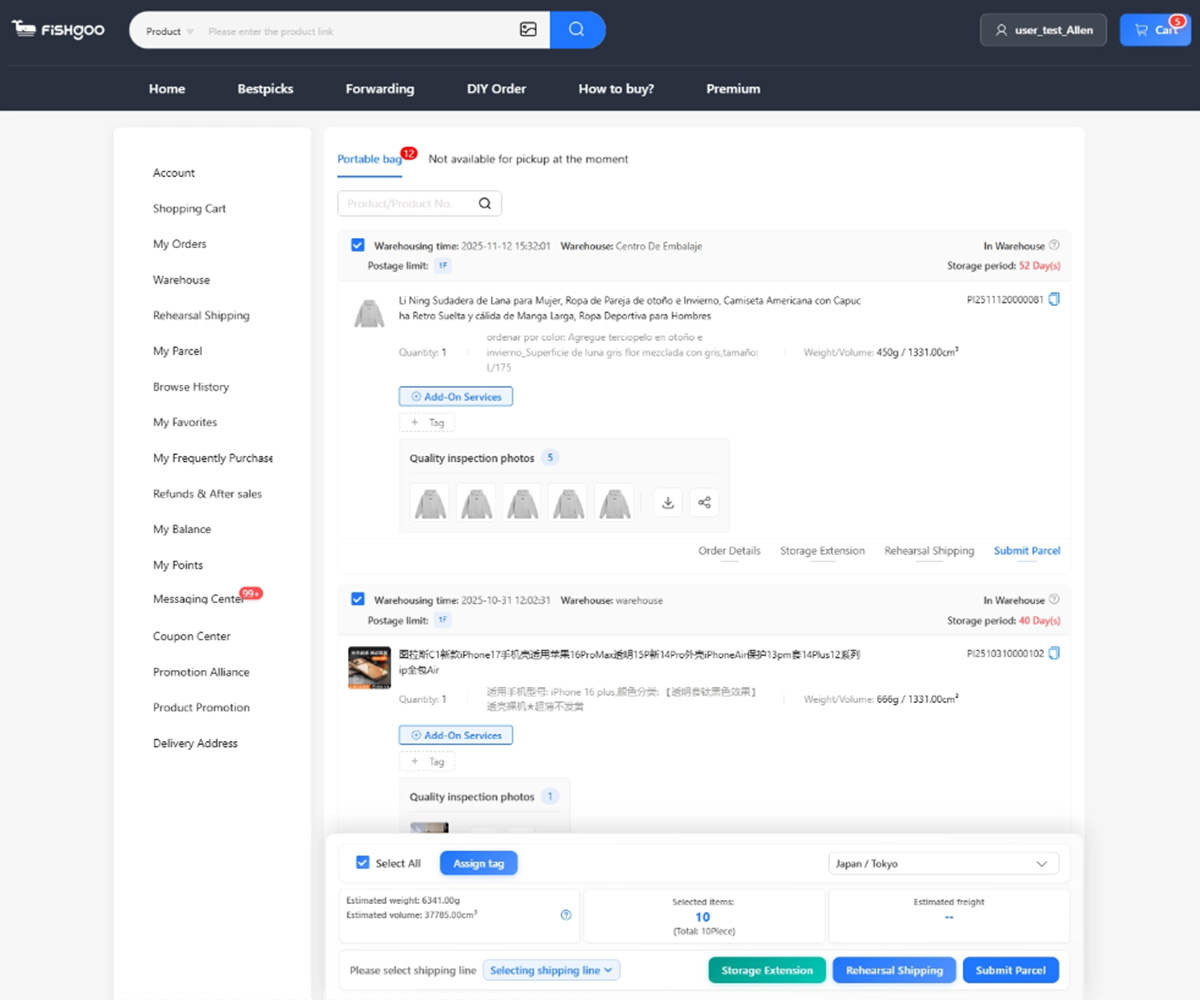
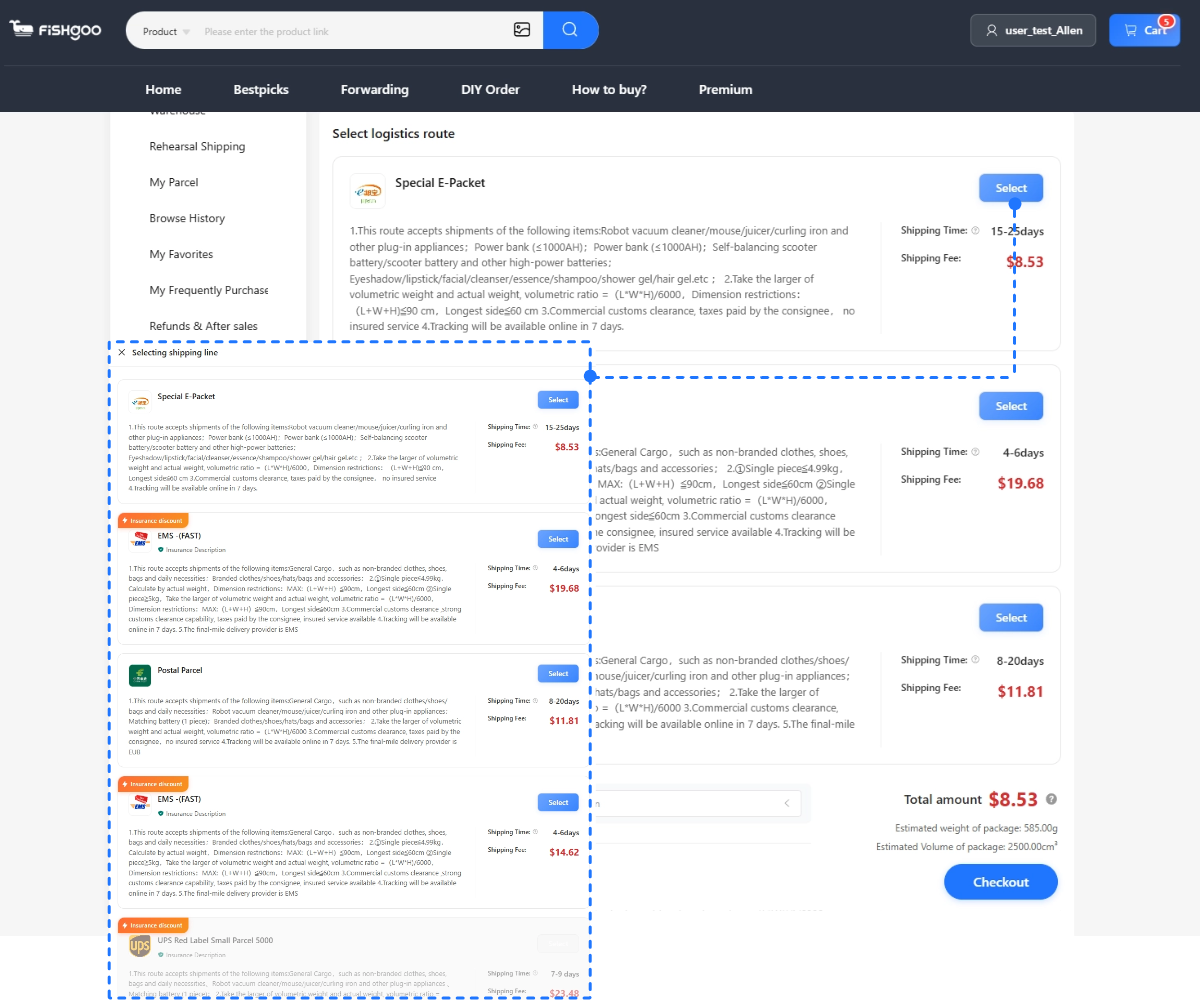
- Consolidation and tracked shipping. Your parcel is combined, repacked, and sent on a courier you can follow to your door.
That’s the difference between Goofish being safe and Goofish being a risk: not the platform, but who’s standing between you and the seller. Choose that carefully and most of this guide becomes theoretical.
How do QC photos actually protect you?
QC photos are the mechanism that turns a distant, Chinese-language, second-hand purchase into something you can verify with your own eyes. When your item reaches the warehouse, the team photographs what genuinely arrived — the real colour, any wear, whether it matches the listing at all — and you review those shots before you pay for international shipping. Approve them and it ships; flag a problem and it gets dealt with in China, where returning or disputing is quick and cheap, rather than after €30 of postage has carried a mistake to Europe.
On used goods from strangers, this single step does most of the heavy lifting. “Like new” means whatever the seller decided it meant right up until someone actually looks — and QC is that look. It’s included with Fishgoo rather than sold as an add-on, which is the way it should be. The step-by-step process shows exactly where the QC stage fits in.
What should you do if something goes wrong?
Most issues never reach your doorstep because QC catches them first, but here’s the path when one does. If the QC photos show a problem, you don’t approve shipping — your agent takes it up with the seller and, if needed, opens a dispute through the platform’s system, where a well-rated seller has every incentive to resolve it. If something only surfaces after delivery, a good agent still helps you document it and pursue the seller, though your protection is naturally strongest at the QC stage. The lesson buyers learn fast: never rush the QC approval, because it’s the moment you hold all the cards.
Is Goofish safer or riskier than Taobao?
Roughly the same platform-level safety, with a different risk profile. Both are Alibaba marketplaces with buyer protections, but Taobao is mostly established shops selling new goods, while Goofish is individuals selling used ones. That makes Taobao a little more predictable on condition and Goofish a little more dependent on seller vetting — the flip side being the deals you can’t find anywhere else. Either way, buying through an agent with QC photos levels the playing field. If you’re weighing where to shop, the best Taobao agent comparison and the main Taobao agent guide cover the new-retail side, and Taobao vs AliExpress, Taobao vs Temu and Taobao vs DHgate are worth a read if you’re comparing platforms. For the Taobao safety angle specifically, is Taobao safe goes deeper. Buying from Weidian carries the same shape of risk — see is Weidian safe and the Weidian agent guide.
Your safe-buying checklist
Run through this before every Goofish order and you’ve handled the vast majority of what can go wrong:
- Check the seller’s history — ratings, reviews, and how long they’ve been active.
- Compare the price against what the genuine item normally sells for.
- Ask for extra photos through your agent before paying, not after.
- Use a reputable agent, never a random stranger or an unknown site.
- Sort sizing up front with our size converter on clothing and shoes.
- Review QC photos carefully and only approve when you’re satisfied.
- Price your import charges with the import duty calculator so there are no surprises on delivery.
Buy from Goofish the safe way
Goofish is a legitimate platform hiding some of China’s best second-hand deals. The risks are real but ordinary — condition, the odd fake, and above all who you trust to buy on your behalf — and every one of them is managed by the same thing: an accountable agent who checks the seller, pays through the platform, and shows you the item before it ships. Do that and the treasure hunt stays fun. You keep the deals; the risks stay in China.
Buy safely from Goofish with Fishgoo →
New to the platform? Pair this with the main Goofish agent guide, Goofish in English for the language side, and Goofish shipping to Europe for delivery. Prefer Weidian? Start with how to buy from Weidian or Weidian in English.
Frequently asked questions
Is Goofish a legit website and app?
Yes. Goofish is Xianyu, a second-hand marketplace owned by Alibaba and used by hundreds of millions of people in China. The platform is legitimate; the risks come from individual sellers and, for foreign buyers, from unaccountable third-party services.
Can you get scammed on Goofish?
It’s possible, mostly through misrepresented condition, counterfeit items, or sellers who don’t ship. Checking a seller’s history and using an agent that provides QC photos before shipping removes most of the risk.
Are items on Goofish real or fake?
It’s a mix. Most listings are genuine second-hand goods, but counterfeits exist, especially for branded items. Buying from established sellers and reviewing QC photos closely helps you avoid fakes.
Is it safe to pay for a Goofish order through an agent?
Yes, with a reputable agent. A trustworthy agent pays the seller on your behalf, holds the item at a warehouse, and sends QC photos before international shipping, so your money isn’t handed directly to a stranger abroad.
What should I do if my Goofish item arrives damaged or wrong?
Because QC photos let you inspect the item at the warehouse before it ships, most problems are caught early. If you approve and an issue still appears, a good agent helps mediate with the seller through the platform’s dispute process.


Start with one product, sample or restock task
Send the product link or description, approximate quantity and destination. Review the scope before any paid purchasing work begins.