Xianyu vs Goofish: Are They the Same App? (2026 Explainer)
Last updated: 31 August 2026
Yes — Xianyu and Goofish are the same app. Goofish is simply the name Alibaba uses internationally for Xianyu (闲鱼), China’s biggest second-hand marketplace. Same platform, same company, same listings, two names. If you’ve come across both and wondered whether you’re missing a second app or a different site, you’re not. This explainer covers why there are two names, which one you’ll run into where, and — the part that actually changes anything — how to buy from it from outside China, whichever name led you here.
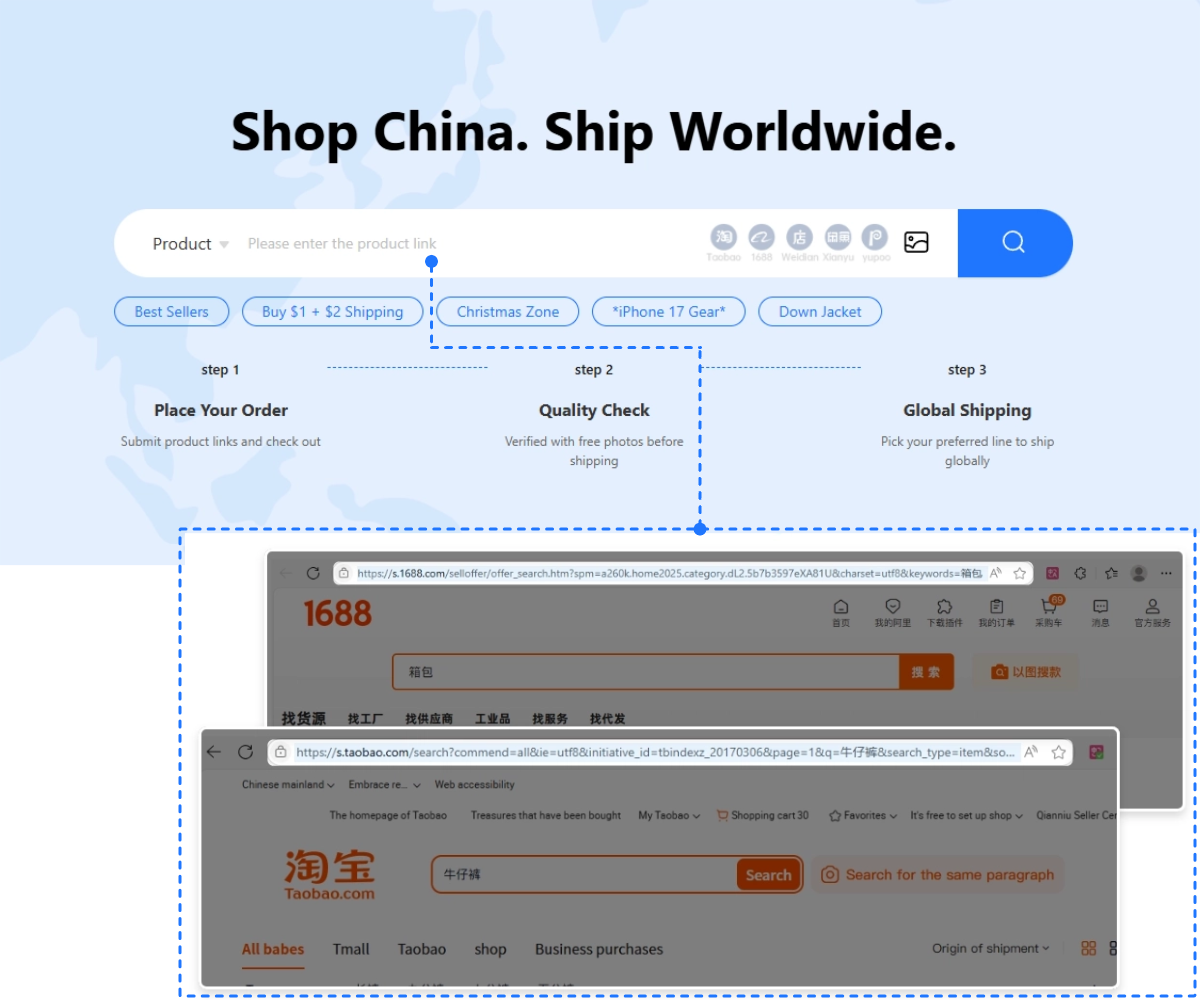
Found something on Xianyu? Paste the link.
We’ll open the item on Fishgoo so you can see the price and order it. Taobao, Tmall, 1688 and Weidian links work too.
Are Xianyu and Goofish the same thing?
They’re one platform with two names. Xianyu (闲鱼) is the original Chinese brand, and Goofish is the romanised name used in English-facing contexts. There is no separate “Goofish marketplace” competing with Xianyu — open either and you land on the identical pool of second-hand sellers, the same app built and run by Alibaba. The confusion is understandable, because you’ll see “Goofish” in some English app listings and reseller circles, and “Xianyu” everywhere inside China, so it’s easy to assume they’re rivals rather than the same thing wearing two labels.
The name Xianyu literally means “idle fish” — 闲 (idle) and 鱼 (fish) — a nod to idle goods lying around waiting for a new owner. Goofish keeps the fish theme in a form that reads in English. So the branding is a translation choice, not a different product. If you want the full picture of what the platform is and how buying works, our main Goofish agent guide is the place to start.
Why does it have two names?
Because a Chinese app aimed partly at an international audience needs a name that works in both worlds. “Xianyu” is the pinyin of the Chinese brand, natural for domestic users but awkward for everyone else. “Goofish” is the English-friendly name Alibaba attached for wider recognition — easier to say, spell, and remember outside China. Big Chinese platforms do this routinely: the domestic name and the export-facing name sit side by side, and over time both end up in circulation.
The upshot for a buyer in Lyon or Cologne is that you’ll hear the platform called Goofish in English guides and Xianyu in anything closer to the source, and both point at exactly the same place. There’s no wrong one to use.
Which name will I see, and where?
It depends on the language and the context, not on any real difference. A quick map of where each name shows up:
| Where you’re looking | Name you’ll usually see |
|---|---|
| Inside China / Chinese app stores | Xianyu (闲鱼) |
| English-language guides and forums | Goofish (and sometimes both) |
| Reseller and shopping-agent communities | Goofish, often shortened |
| The app interface itself | Chinese branding — there’s no English version |
Here’s the cleanest way to remember it: the platform’s official website is Goofish.com, while the app and the mini-program inside Alipay carry the Xianyu name. Same company, same listings — the English-facing web presence simply wears the Goofish label. That split is why English guides lean on “Goofish” while anything tied to the app says “Xianyu.”
So if a guide tells you to “check Goofish” and your search turns up “Xianyu,” you’ve found the right thing. The names are interchangeable in practice.
How big is Xianyu (Goofish)?
Big enough that “niche Chinese app” undersells it badly. Alibaba launched Xianyu in 2014, and it has grown into China’s largest consumer-to-consumer marketplace for second-hand goods — the second most-used app in Alibaba’s ecosystem after Taobao itself. Its monthly active users were reported at 209 million in 2025 by QuestMobile, with total users north of 300 million. For a sense of scale, that’s a resale audience several times the population of most European countries.
The user base skews young — roughly 45% were born after 1995 — which is a big part of why sneakers, streetwear, trading cards, and anime and gaming goods trade so heavily. And because listings come from individuals clearing their own things rather than shops carrying overheads, prices frequently sit 30–70% below retail. That mix of vast scale and genuine bargains is exactly what makes the platform worth the effort of reaching from abroad.
Does the difference matter when you’re buying?
No — because there isn’t a functional difference to matter. Whichever name you used to find a listing, you’re buying from the same marketplace, with the same sellers, at the same prices in ¥. What actually shapes your experience isn’t the name at all; it’s that the platform is Chinese-only and built for domestic buyers. You can’t check out from abroad without a mainland account, an Alipay wallet tied to a Chinese ID, and a domestic shipping address — and that’s true under either name.
That single fact is why most international buyers use an agent rather than fighting the app. The name on the label changes nothing about the workaround. If you want the language side specifically, Goofish in English covers how far browser translation gets you and where it stops.
Put bluntly: chasing “the difference between Goofish and Xianyu” is time you don’t need to spend. There’s one platform to learn and one workaround to set up, and the name on whichever guide you happened to read changes neither of them.
How do you buy from Xianyu (Goofish) from outside China?
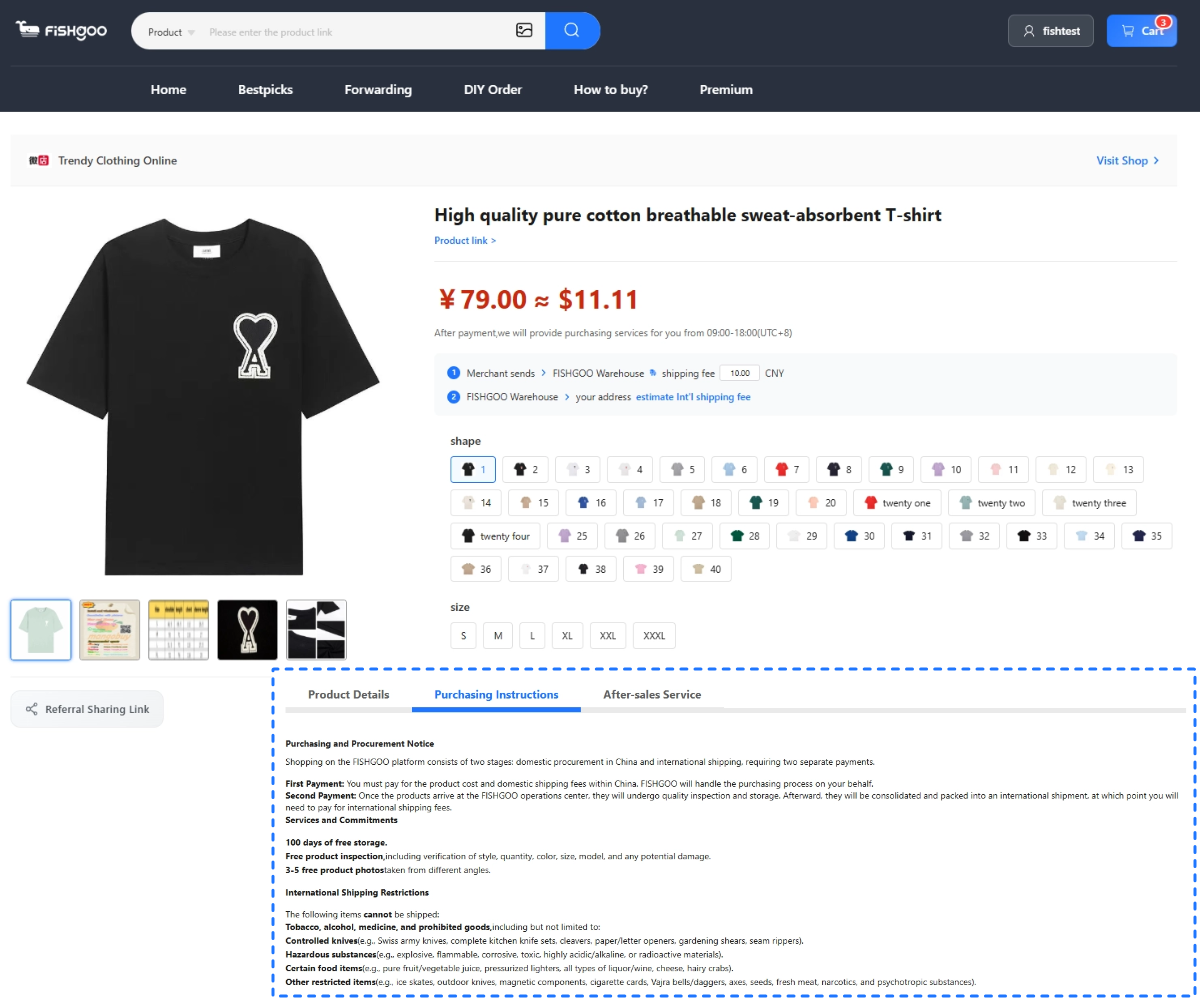
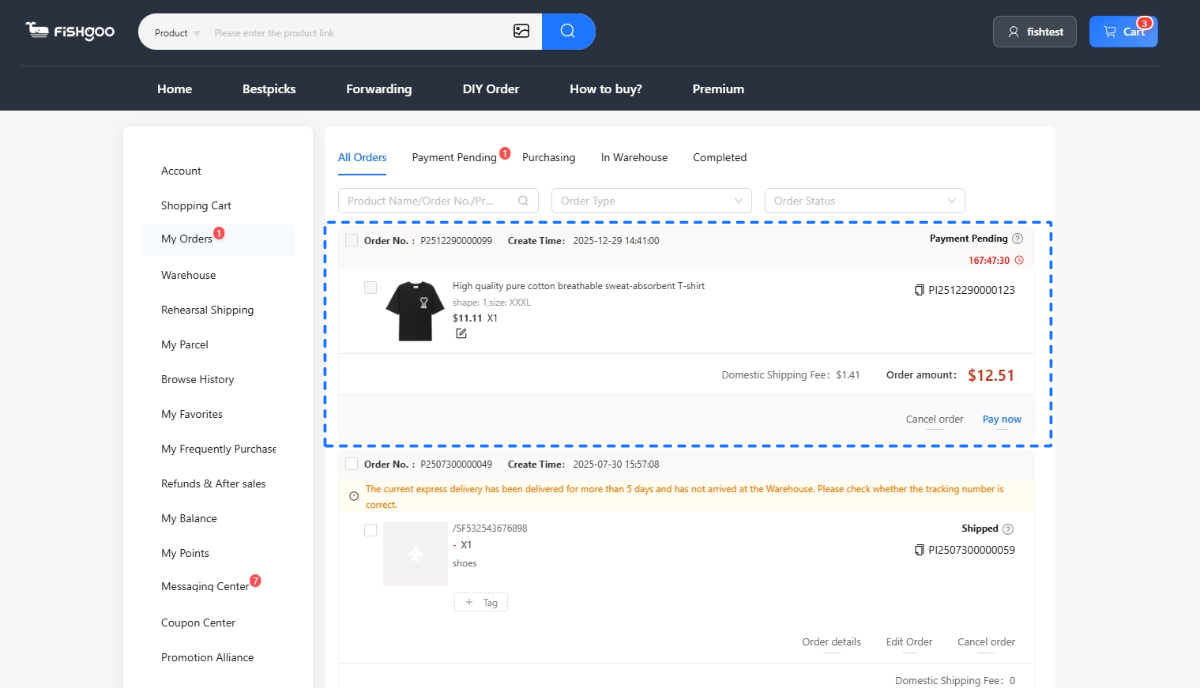
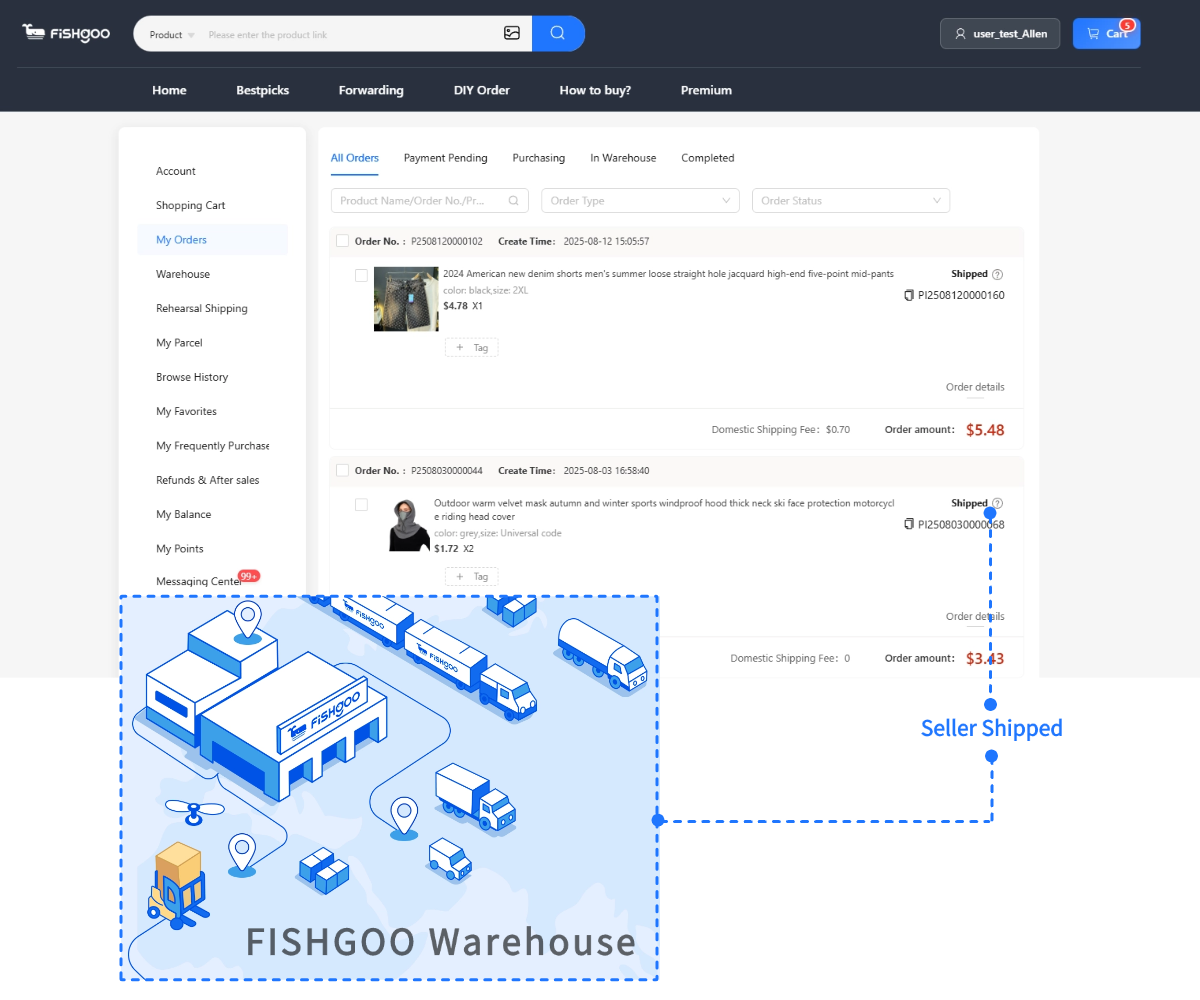
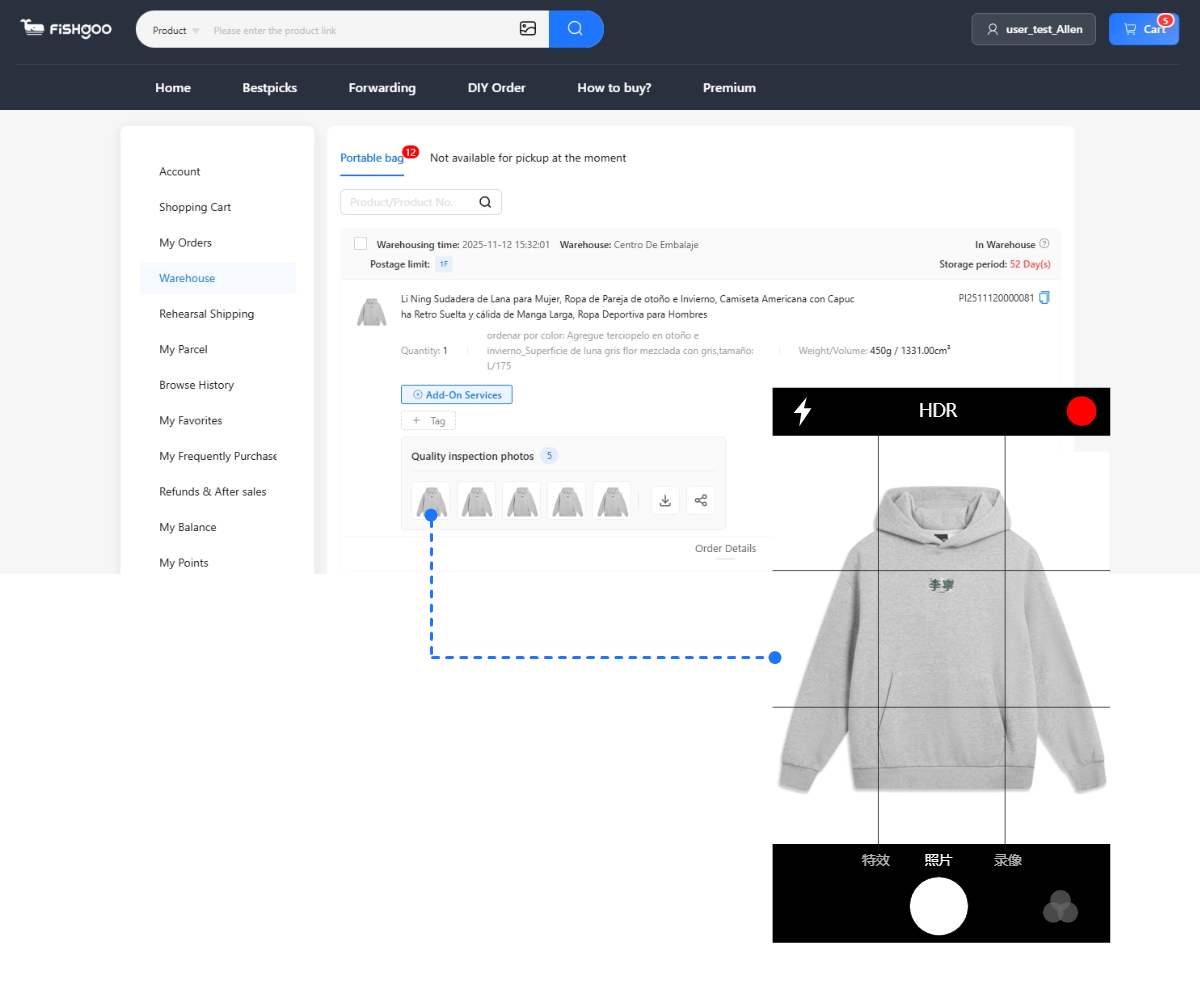
The same way regardless of which name you searched: through a Xianyu agent who handles the Chinese side. In short, you find a listing, send the link to a Goofish agent like Fishgoo, and they buy it with their Alipay, receive it at a warehouse, photograph it so you can check the condition, and ship it to your door. The full step-by-step is on the how to buy from Goofish guide, and it’s identical whether you think of the platform as Xianyu or Goofish.
A few things the agent takes off your plate:
- Language — reading Chinese listings and messaging sellers on your behalf.
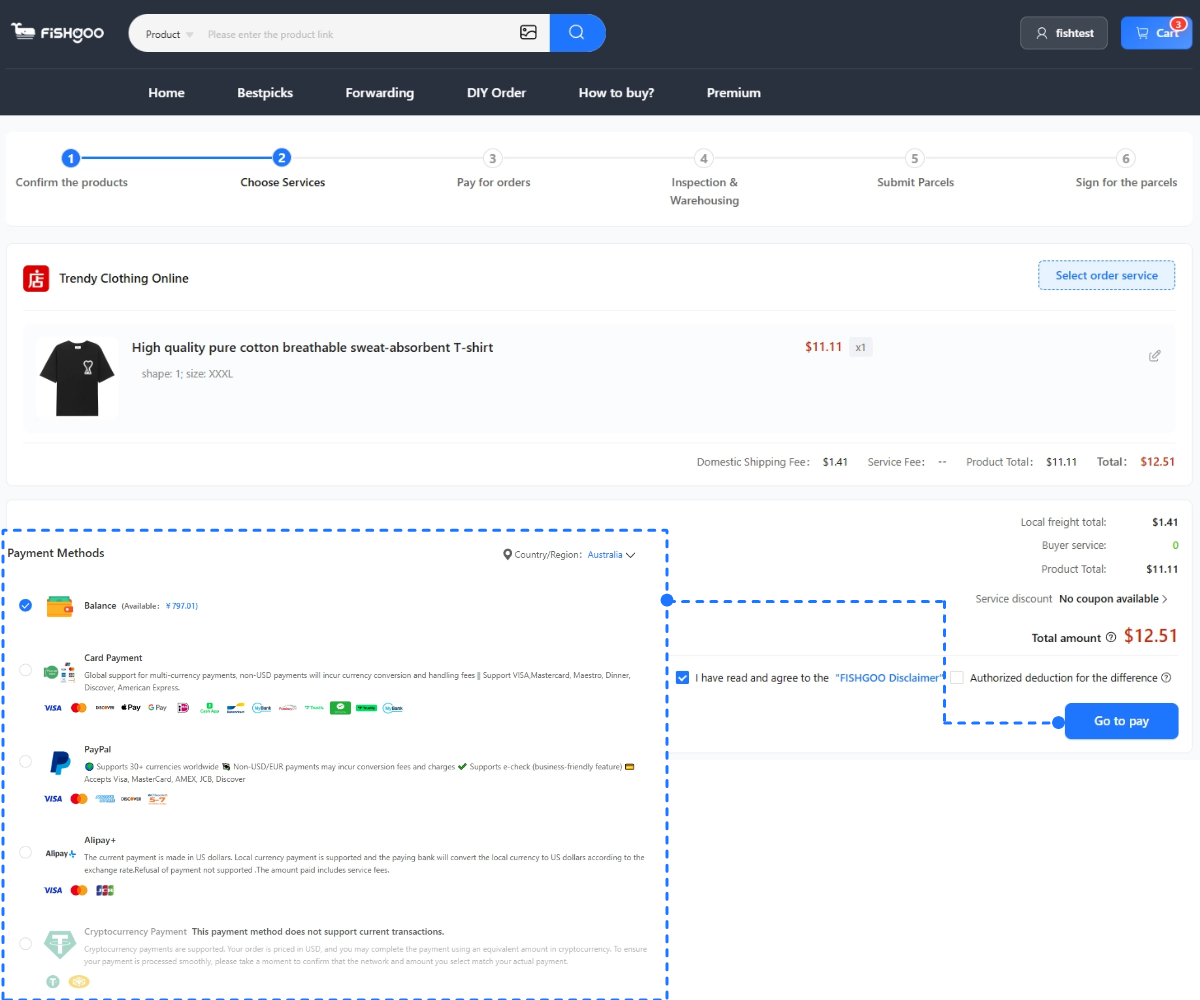
- Payment — paying through their mainland Alipay, so you don’t need a Chinese ID or bank card.
- A domestic address — their warehouse receives the item inside China.
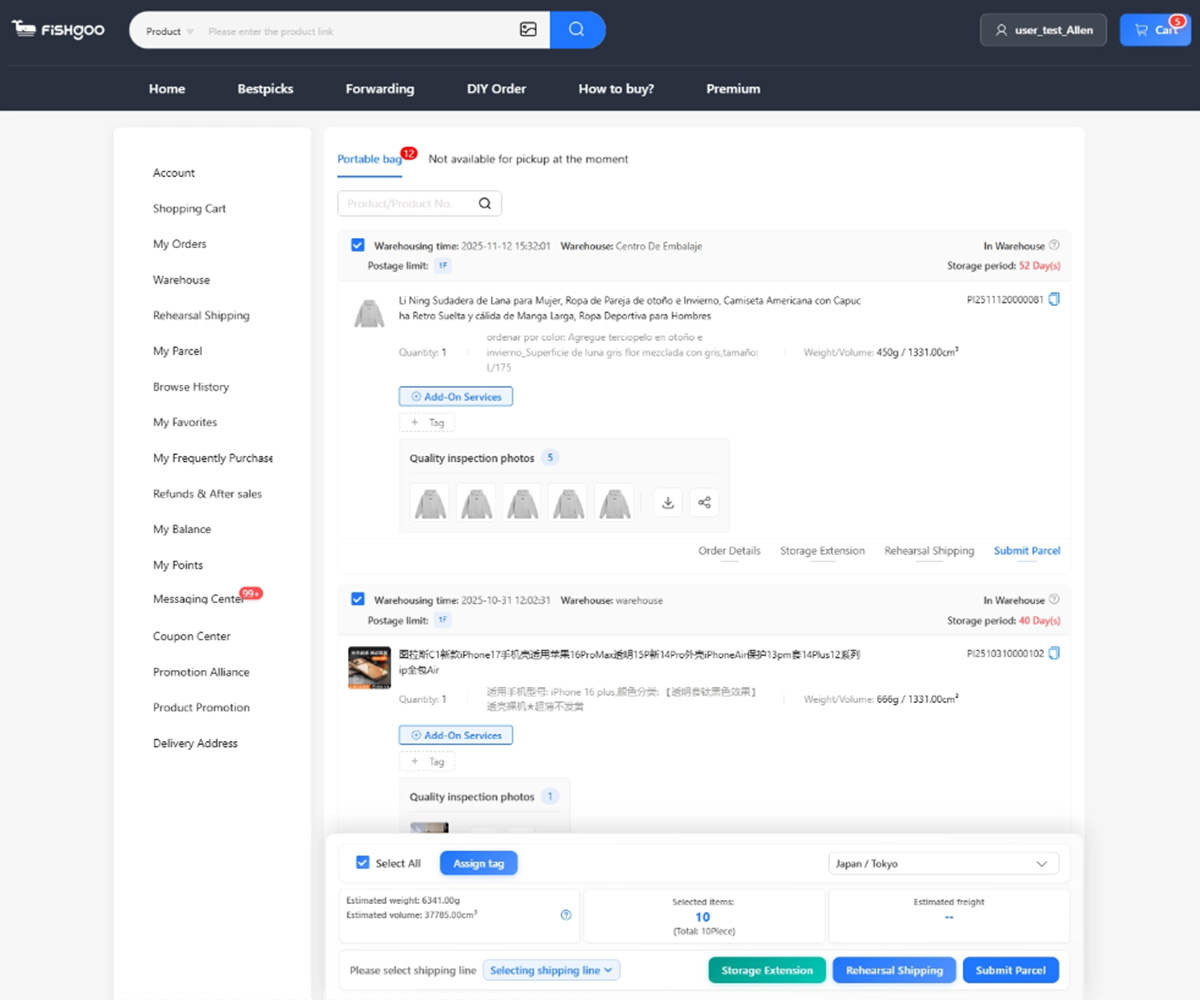
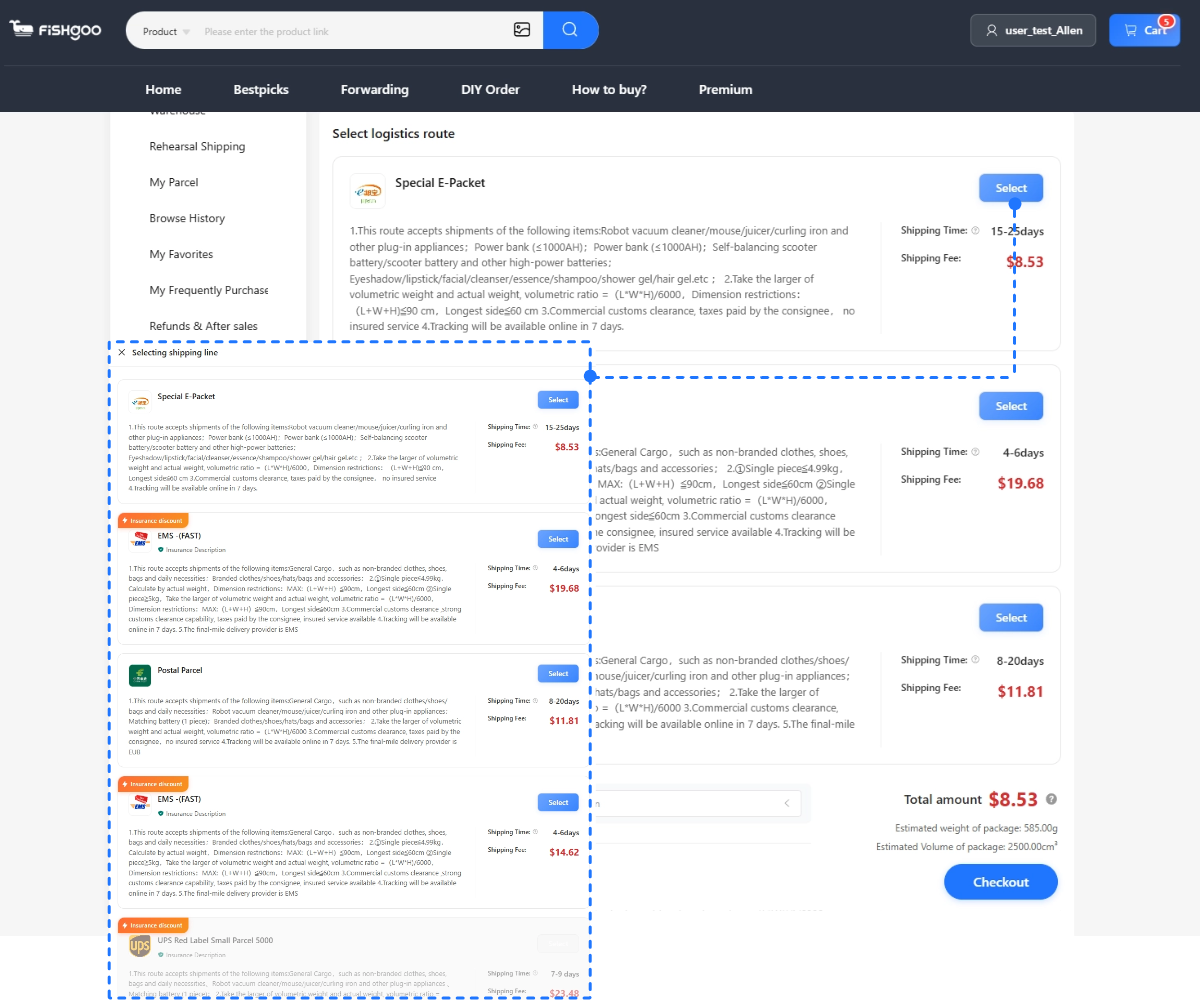
- QC photos and consolidation — checking the real condition and combining multiple buys into one parcel for cheaper shipping to Europe.
With a zero service fee model, none of this adds a commission on top of your purchase.
Is Xianyu (Goofish) safe and legit?
The platform is entirely legitimate — it’s an Alibaba property used by hundreds of millions in China. The risks that exist are the ordinary second-hand ones: item condition and individual sellers, plus the need to avoid unaccountable “buy for me” middlemen if you’re abroad. QC photos and a reputable agent handle both. We go through this properly on is Goofish safe, and the same instincts apply as when you buy on Taobao.
The platform isn’t bare-bones, either. Xianyu runs a seller rating and review system, an in-app dispute process, and authentication options in some higher-value categories, so domestic buyers have genuine recourse when a deal goes wrong. The catch for an overseas buyer is that every bit of it operates in Chinese. That’s one more reason to work through an agent, who can read a seller’s full history before buying and open a dispute on your behalf if needed — turning protections you couldn’t otherwise touch into ones that actually cover you.
What can you buy on Xianyu / Goofish?
Whichever name you use, it’s the same treasure hunt: second-hand and one-off goods that are hard to find new. Used sneakers are one of the big draws — there’s a dedicated guide to buying sneakers on Goofish — alongside cameras and lenses, trading cards, figures, gaming handhelds, and pre-owned streetwear. The range runs far wider than that, though: phones and electronics, furniture, event tickets, second-hand books, collectible toys like sold-out POP MART figures, discontinued colourways, and even the odd piece of industrial equipment all turn up. A fair number of small sellers also offload brand-new surplus stock at a fraction of retail. What it’s not built for is buying ten of the same new item on demand; that’s retail, and platforms like Taobao suit it better.
Is Goofish (Xianyu) like eBay, Vinted, or Depop?
The closest Western comparison is eBay — Goofish works in much the same way, a C2C marketplace where individuals list second-hand goods and buyers browse, message, and haggle. If it helps to picture it, think eBay’s breadth crossed with the casual, person-to-person feel of Facebook Marketplace or Mercari. Vinted and Depop are the nearest reference points for anyone who lives in fashion resale, though those are fashion-first and Goofish is far broader: you’ll find everything from used sneakers and cameras to furniture, tickets, and, genuinely, second-hand industrial gear.
Two things set it apart from all of them. First, it’s Chinese-only and domestic — sellers ship within China and checkout runs on Alipay, which is the whole reason overseas buyers need an agent rather than a card. Second, it’s more of a community than a plain storefront: Xianyu runs interest groups, an algorithmic feed, and a discussion forum, so people linger to browse and chat, not only to transact. For a buyer in Europe, the practical takeaway is simple — treat it like a Chinese eBay with far better prices, reached through someone who handles the Chinese side. The buying process is straightforward once that’s in place.
Xianyu (Goofish) vs Taobao and Weidian
This is where a real comparison actually makes sense — between different platforms, not between two names for one. Goofish is individuals selling used and one-off items, so pricing is negotiable and stock is unpredictable. Taobao is a marketplace of shops selling new retail goods with steady inventory. Weidian sits somewhere else again, as personal storefronts often used by niche and reseller sellers. Many buyers shop more than one and consolidate everything into a single parcel.
To dig into those genuine differences, see the best Taobao agent comparison, the main Taobao agent guide, and platform breakdowns like Taobao vs AliExpress and Taobao vs 1688. For the Weidian side, the Weidian agent guide and Weidian vs Taobao lay it out, or start with how to buy from Weidian.
Common mix-ups about Goofish and Xianyu
A handful of misunderstandings come up constantly, so it’s worth clearing them in one place:
- “Goofish is a scam site.” No — it’s simply the English name for an Alibaba marketplace. The scams to avoid aren’t the platform; they’re unaccountable middlemen who offer to buy for you, which is covered on is Goofish safe.
- “There’s a separate English Goofish app.” There isn’t. The website carries the Goofish name, but the app is Xianyu and it’s in Chinese.
- “Goofish and Xianyu are competitors.” They’re the same company and the same listings. Comparing them is like comparing a brand’s local and export names.
- “I can just order and have it shipped straight to me.” Not directly — sellers ship within China only, so an agent receives, checks, and forwards your parcel.
The bottom line
Xianyu and Goofish are one and the same — a single Alibaba second-hand marketplace with a Chinese name and an English one. The name never affects what you can buy or how you buy it. What does matter is that the platform is Chinese-only, so shopping it from Europe means using an agent to clear the language, payment, and address barriers. Sort that, and both names lead you to the same good deals, checked at the warehouse and shipped to your door in Europe.
Start buying from Goofish (Xianyu) with Fishgoo →
Next steps: the main Goofish agent guide for the full picture, Goofish in English for the language barrier, and the import duty calculator plus our size converter to price a parcel and get sizing right before you buy.
Frequently asked questions
Is Goofish the same as Xianyu?
Yes. Goofish and Xianyu are the same app, run by Alibaba. Xianyu is the Chinese name and Goofish is the name used internationally, but it’s one marketplace with the same sellers and listings.
Why does Xianyu have an English name?
Alibaba uses Goofish as an English-friendly name for international and English-language contexts, while Xianyu is the pinyin of the original Chinese brand. Both point to the same platform.
What does Xianyu mean?
Xianyu (闲鱼) literally means “idle fish” — a reference to idle goods lying around waiting for a new owner. Goofish keeps the fish theme in a form that reads in English.
Is there any difference between the Goofish app and the Xianyu app?
No. It’s the same app; the name shown depends on region and language rather than any difference in features, sellers, or listings.
Can I buy from Goofish or Xianyu from outside China?
Not directly. Checkout needs a mainland account, Alipay tied to a Chinese ID, and a domestic address, so international buyers use an agent who purchases on their behalf and ships worldwide.


Start with one product, sample or restock task
Send the product link or description, approximate quantity and destination. Review the scope before any paid purchasing work begins.