Taobao vs Buying Local: When Cheap Chinese Prices Actually Beat the Mall (and When They Don’t)
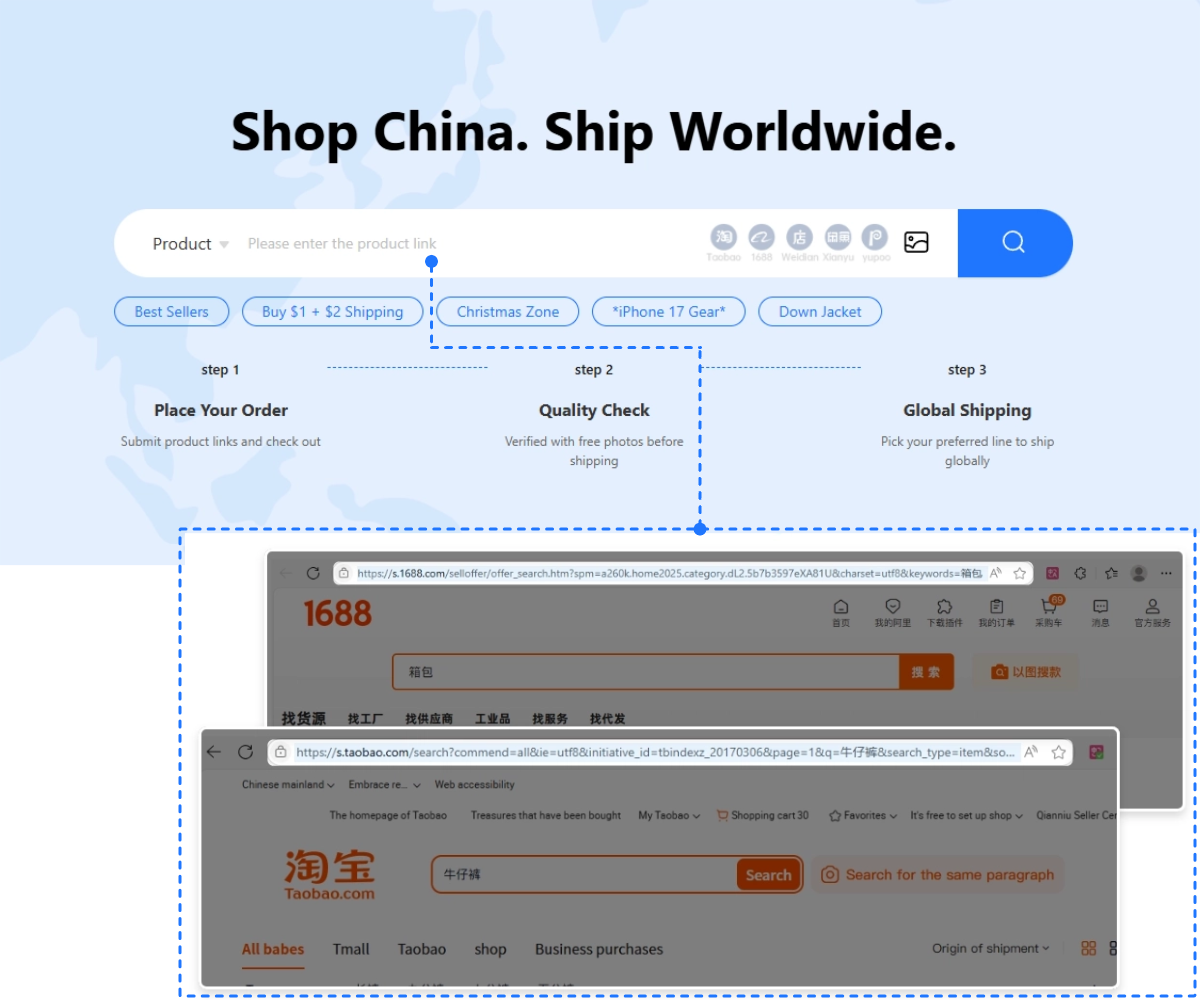
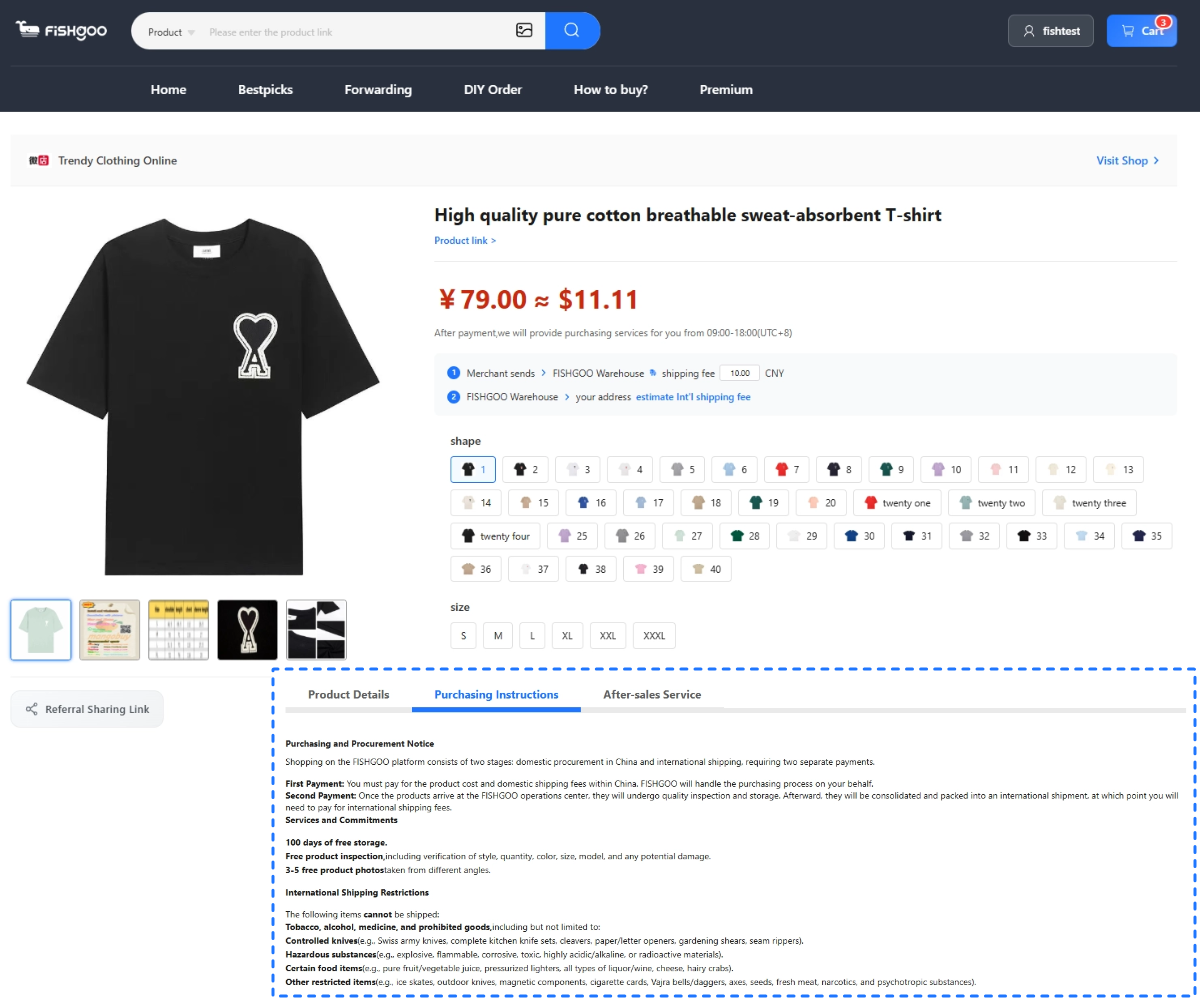
My sister asked me last Thanksgiving why I was wearing a jacket she’d never seen before. I told her it was from Taobao. Cost me $22 delivered. She looked at it, felt the fabric, checked the stitching, and said: “I almost bought the same jacket at Nordstrom Rack for $89. This looks identical.”
Then she paused. “But I would’ve had it the same day.”
That pause — the moment where the price advantage collides with the convenience gap — is the real decision point. And it’s more nuanced than either side wants to admit. Taobao evangelists (including me, sometimes) act like paying retail is always irrational. Local retail defenders act like waiting 3 weeks for delivery is always unacceptable. Neither position is honest.
The truth is that both options have legitimate advantages, and a smart shopper uses each one where it actually wins. This article maps out exactly where each one wins, with real cost comparisons and no pretending that one answer fits every situation.
The Cost Comparison Nobody Puts in Writing
Let me build a realistic 10-item seasonal wardrobe and price it across three channels:
| Item | Taobao (via Fishgoo) | Fast fashion (H&M/Zara) | Mid-range (COS/Nike) |
|---|---|---|---|
| 2 plain hoodies | $14 | $50-60 | $80-120 |
| 3 t-shirts | $9 | $30-45 | $60-90 |
| 1 jacket | $22 | $60-90 | $120-180 |
| 1 pair pants | $10 | $35-50 | $60-90 |
| 1 crossbody bag | $5 | $25-40 | $50-80 |
| 2 accessories | $4 | $15-25 | $30-50 |
| Product subtotal | $64 | $215-310 | $400-610 |
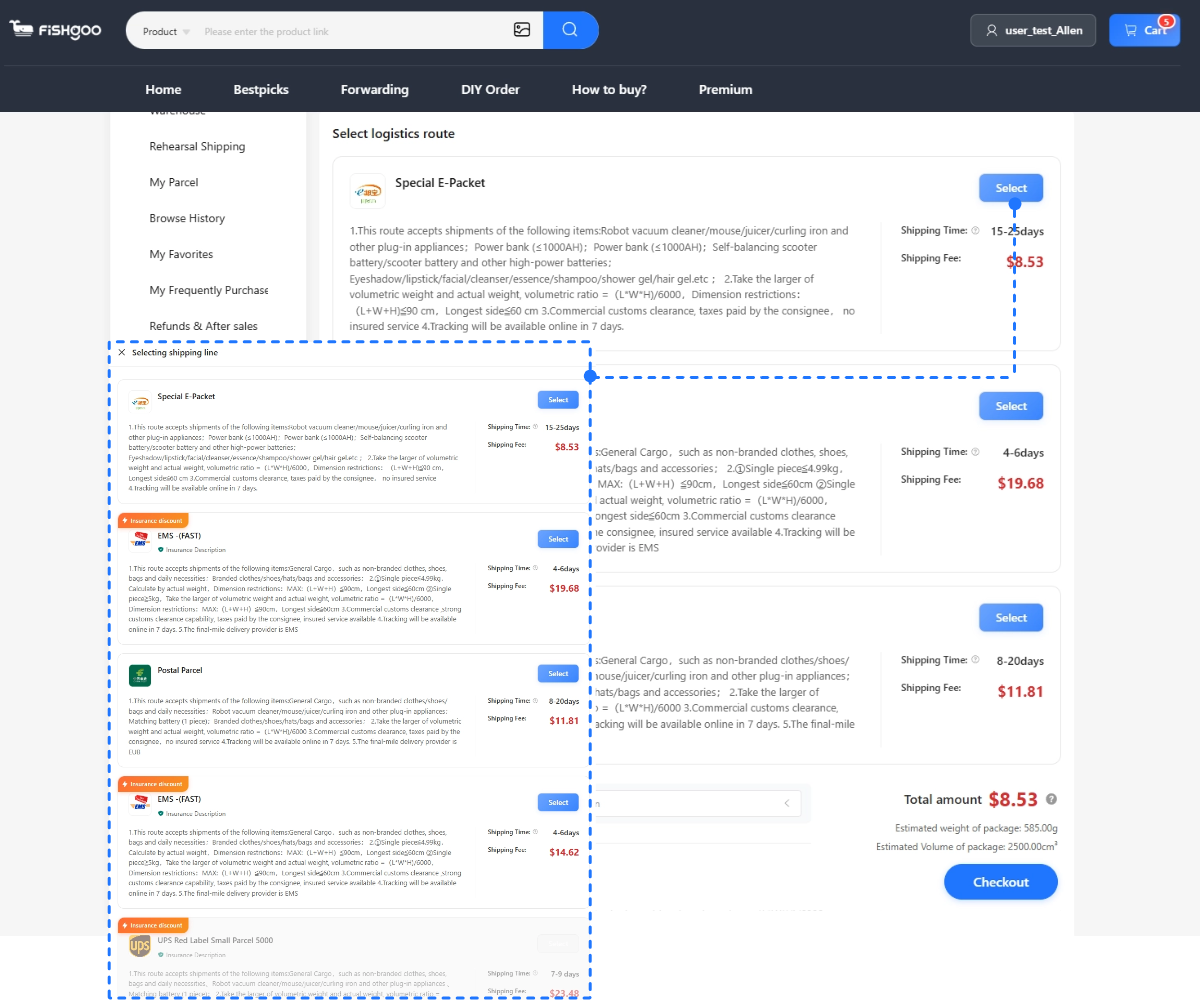
| Shipping | $26 | $0 (in-store) | $0 (in-store) |
| Agent fee (Fishgoo) | $0 | — | — |
| Total | $90 | $215-310 | $400-610 |
Taobao saves $125-220 versus fast fashion. $310-520 versus mid-range. On the same products, from the same factories, with equivalent quality tiers.
Do that 3-4 times per year (seasonal refreshes) and the annual savings range from $500 to $2,000. That’s rent money. That’s a vacation. That’s real financial impact from a shopping habit change.
→ Full savings breakdown with 9 tactics
Where Taobao Wins Clearly
Basics and staples you buy repeatedly
Plain t-shirts, hoodies, joggers, underwear, socks, phone cases, tote bags. Items where brand doesn’t matter and you just want the product at the lowest cost. The price gap is widest here — Taobao basics cost 60-80% less than equivalent mall basics.
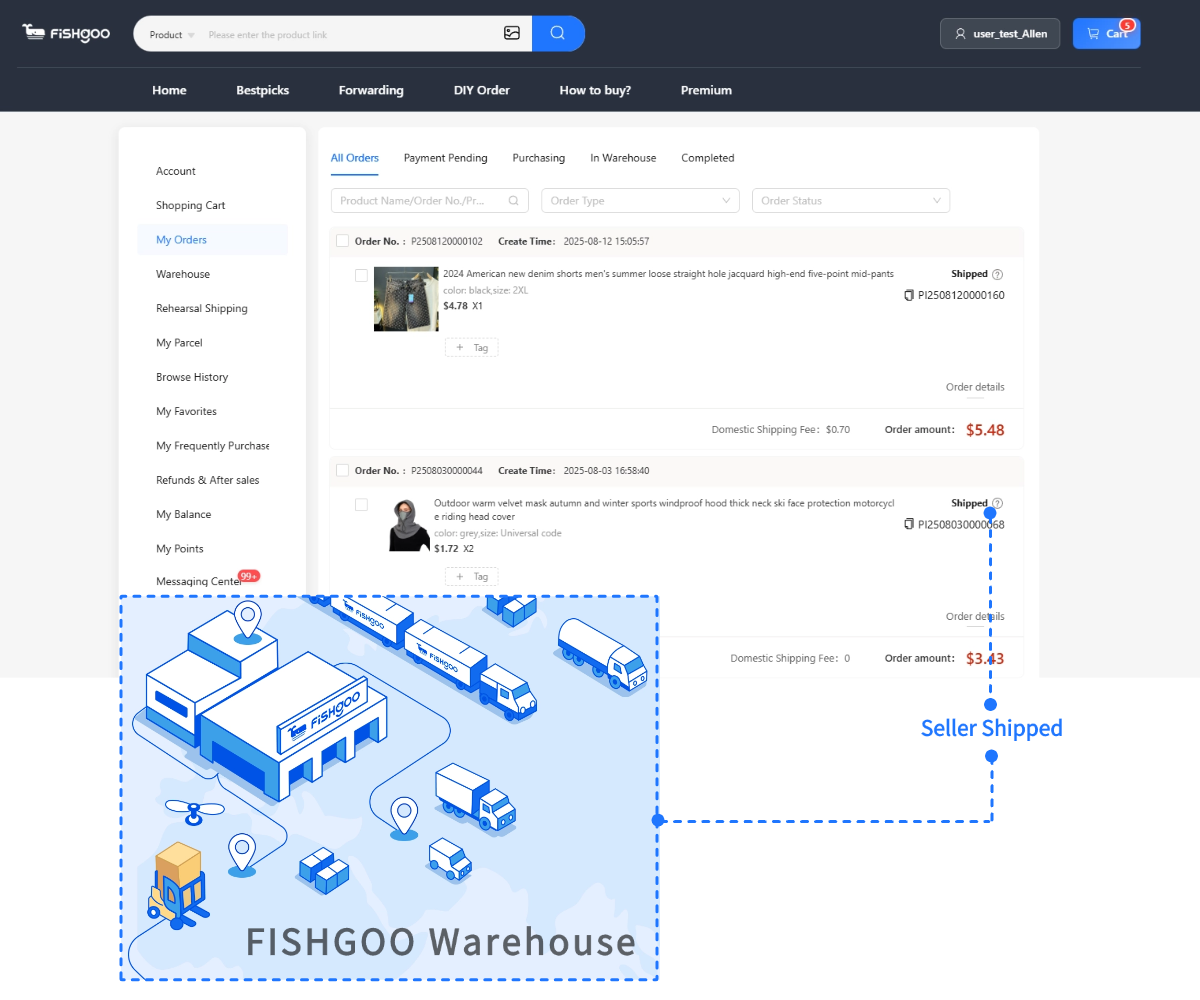
I haven’t bought a plain t-shirt from a local store in two years. Taobao tees at $3 each are indistinguishable from $15 H&M tees once you’re past mid-tier quality. I buy 10 at a time in a haul, they arrive in 3 weeks, and I’m set for months.
Trend items with short shelf life
That viral jacket everyone’s wearing on TikTok. The specific bag shape that’s trending this season. Micro-trends that’ll be over in 4-6 months. Paying $60-90 at Zara for something you’ll wear one season makes zero sense when the same item is $12-25 on Taobao from the same manufacturer.
Niche items local stores don’t carry
Cosplay costumes, anime collectibles, specific sneaker styles, 925 silver jewelry at factory prices, hobby supplies, niche stationery. These categories simply don’t exist in most local retail environments, or they exist at 3-5x the price through specialty importers who source from the same Chinese suppliers.
Gift buying in bulk
Holiday gifts, party favors, wedding accessories, team merchandise. When you need 10-20 of something, the per-unit savings compound dramatically. Through 1688 wholesale, you can source 20 gifts for the price of 3-4 at local retail.
Where Local Shopping Wins Clearly
Urgency — you need it today
Job interview tomorrow and you need a shirt. Date tonight and you want new shoes. Kid’s school event this afternoon. No amount of Taobao savings helps when the delivery window is 2-4 weeks and your need is right now.
I keep a mental separation: planned purchases go through Taobao, urgent purchases go to local stores. The ratio is about 80/20 in favor of Taobao because most clothing needs are actually plannable — you know winter is coming, you know you need work shirts eventually. Urgency purchases are rarer than they feel.
Fit-critical items you must try on
Formal suits, bras, shoes with specific arch support requirements, items where a half-size difference ruins the fit. Centimeter measurements and QC photos handle most sizing needs, but there are categories where physically trying something on before buying is genuinely valuable. Wedding dresses, tailored blazers, orthopedic shoes — buy these locally.
Products needing local warranty or support
Laptops, smartphones, major appliances, anything where you might need to walk into a store for warranty service. Chinese electronics work fine globally, but getting warranty support for a Taobao-sourced laptop in Ohio is… not practical. For high-ticket electronics, buy locally for the support infrastructure.
The shopping experience itself
Sometimes shopping isn’t about the product — it’s about the experience. Weekend mall trip with friends. Browsing a vintage market. Trying on 15 things and laughing at the terrible ones. That’s genuine entertainment that online shopping can’t replicate. When the goal is experience rather than acquisition, local wins by definition.
The Hybrid Model: What Smart Shoppers Actually Do
The best approach isn’t “only Taobao” or “only local.” It’s a deliberate split based on what each channel does best:
| Category | Buy from | Why |
|---|---|---|
| Basics and staples | Taobao | 60-80% savings, no brand value in basics |
| Trend/seasonal items | Taobao | Short lifespan doesn’t justify retail markup |
| Niche hobby items | Taobao/Weidian | Not available locally or 3-5x cheaper |
| Gifts in quantity | Taobao/1688 | Per-unit savings compound at volume |
| Urgent needs | Local | Same-day availability |
| Fit-critical formal wear | Local | Must try on |
| Electronics with warranty | Local/Amazon | Support infrastructure |
| Investment pieces | Either | Local if you can try on, Taobao premium tier if you trust QC |
My personal split: roughly 70% of my clothing and accessories budget goes through Fishgoo, 30% goes to local stores. That 70/30 split saves me approximately $1,200 per year compared to buying everything locally. The 30% local portion covers urgent needs, formal wear, and the occasional mall trip where the point is hanging out, not shopping efficiently.
The Hidden Costs of Local Shopping Nobody Counts
When people compare Taobao to local shopping, they compare product price + shipping against product price. That’s incomplete. Local shopping has costs that never show up on the receipt:
Transportation. Gas, parking, transit fare. A mall trip costs $5-15 in transportation depending on where you live. Multiply by 12-24 shopping trips per year and it’s $60-360 annually in getting to the store.
Time. A typical mall shopping trip takes 2-4 hours including travel. A Taobao ordering session takes 20-40 minutes from your couch. If your time has any value at all, the efficiency gap is massive.
Impulse purchases. Malls are architecturally designed to make you buy things you didn’t plan to. The average mall visit results in 1.5 unplanned purchases. Over a year, impulse buys at retail markup add hundreds of dollars you wouldn’t have spent shopping from home.
Return trips. Wrong size from a local store? Drive back to return it. Another 30-60 minutes plus transportation costs. On Taobao with an agent, returns happen at the warehouse before the item ever crosses an ocean — no trip needed.
When you factor in these hidden costs, the real gap between Taobao and local shopping widens by another 15-25% in Taobao’s favor.
FAQ
-
Is Taobao quality as good as H&M or Zara?
At the mid-tier price range ($8-25), yes. Many Western fast-fashion brands source from the same Chinese factories that sell on Taobao. The quality difference between a $15 Taobao hoodie and a $45 H&M hoodie is the label and retail markup, not the fabric or construction.
-
What’s the biggest downside of Taobao vs local?
Delivery time. Taobao orders take 2-4 weeks from order to doorstep. If you need something immediately, local stores win on speed alone. Plan ahead and this downside disappears.
-
Can I return Taobao items if they don’t fit?
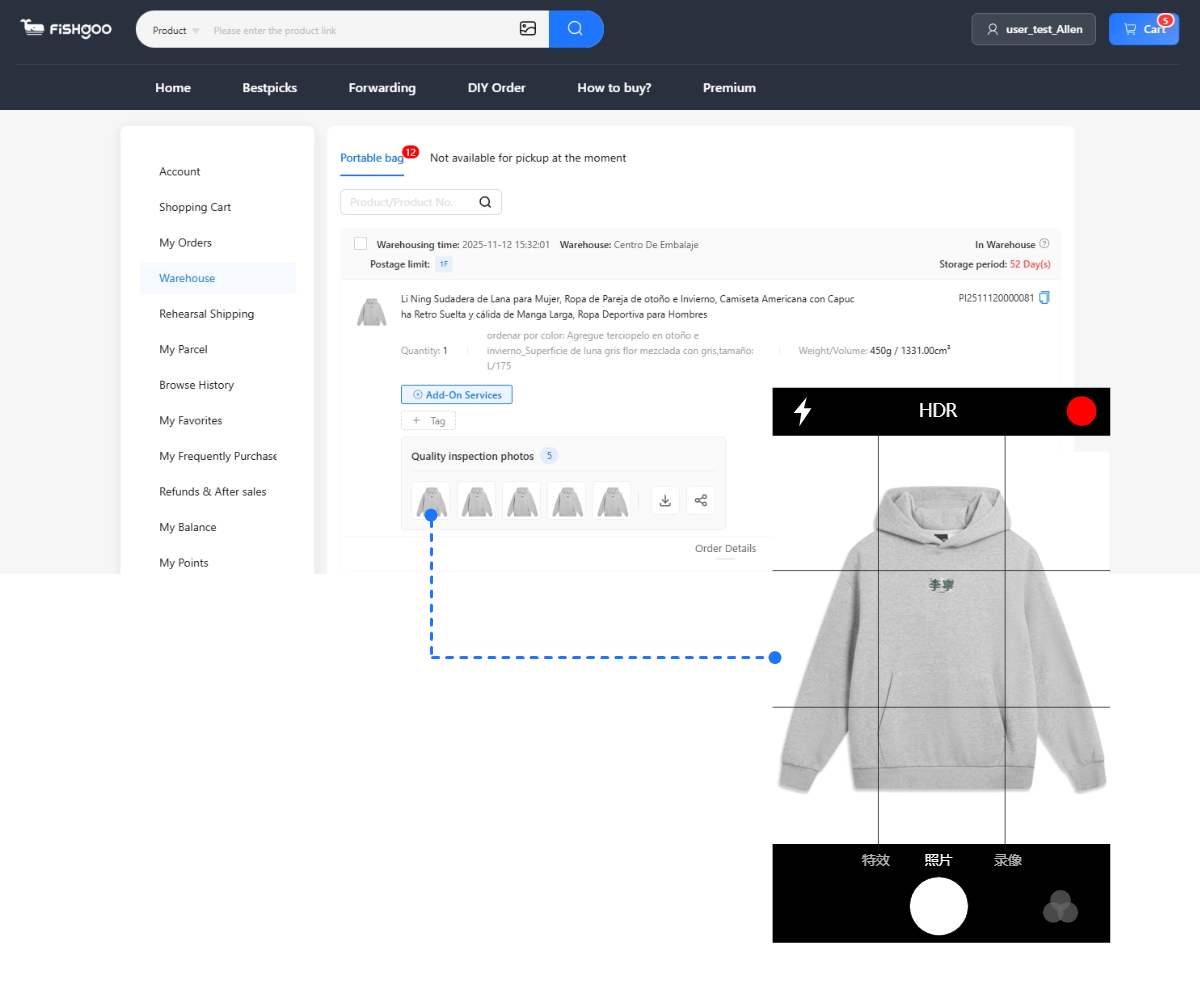
Before international shipping: yes, free returns within China through your agent. After delivery: difficult and often not cost-effective. This is why QC photos and cm sizing matter — catch fit issues before shipping.
-
Should I switch entirely to Taobao?
No. A 70/30 Taobao-to-local split captures most savings while preserving local shopping for categories where it genuinely wins (urgency, try-on, warranty). Pure Taobao shopping misses the legitimate advantages of physical retail.
-
How do I start?
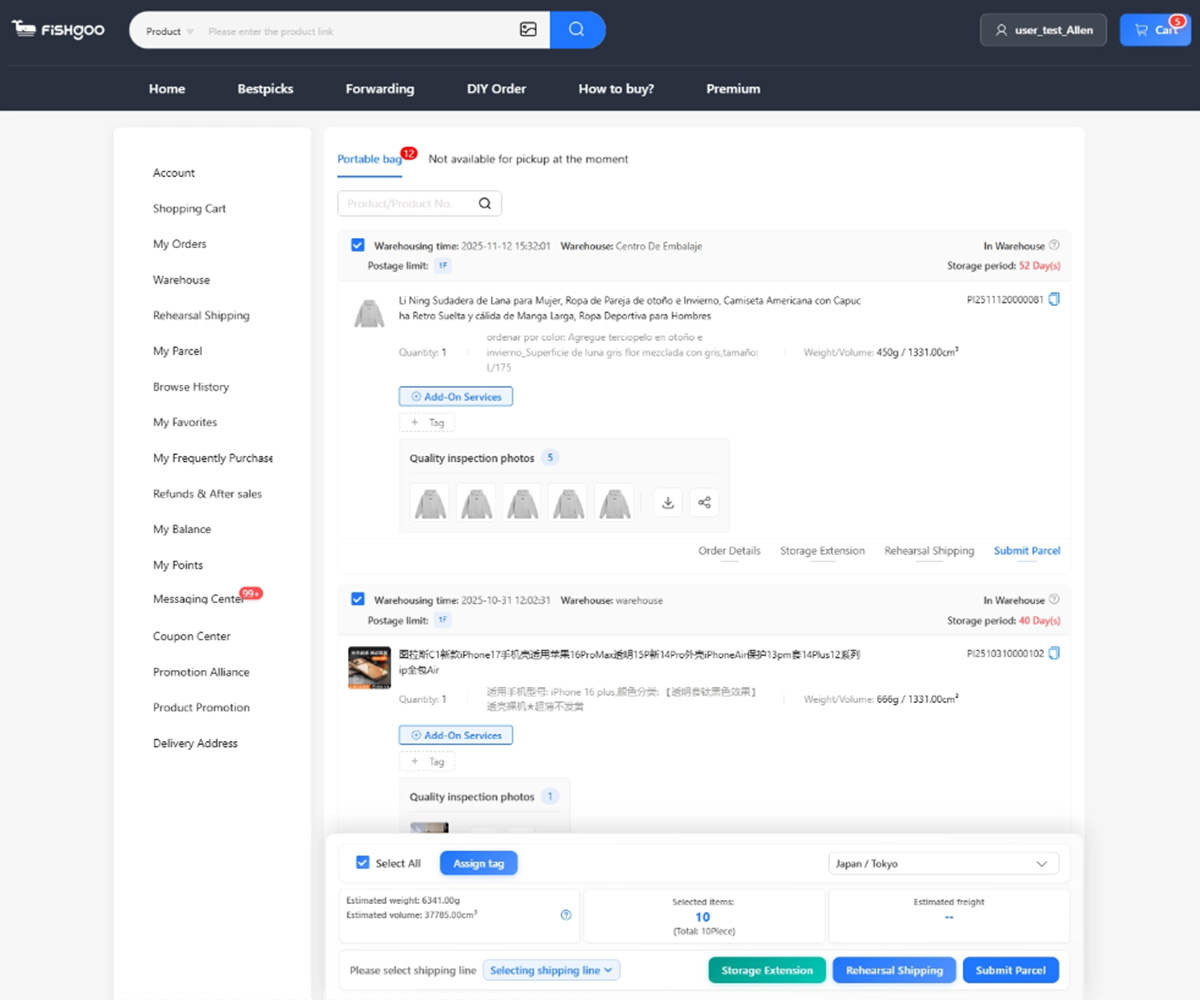
Move your next planned staples purchase to Taobao. Sign up for Fishgoo, order 8-10 basic items, receive in 3 weeks. Compare quality and cost against what you’d have paid locally. That single comparison tells you whether the switch makes sense for your specific shopping patterns.
→ Start your first Taobao order — zero fee, see the savings yourself


Start with one product, sample or restock task
Send the product link or description, approximate quantity and destination. Review the scope before any paid purchasing work begins.