Taobao Warehouse Storage 2026: How Long Can Items Stay (and Why You’d Want Them To)
Most Taobao agents store your items free for 60 to 180 days, counted from the day each parcel reaches their warehouse. Fishgoo’s free window is 100 days and can be extended in the app. At most agents, storage then runs roughly $0.10 to $0.15 per cubic metre per day, and unclaimed parcels are usually disposed of between 180 and 365 days. Each agent publishes its own terms and they change.
One of the questions I get most from people who’ve placed a few Taobao orders is: “Wait, my items are at the warehouse. How long can they actually stay there?” It usually comes up when someone wants to add more items to a future shipment, or they got distracted, or they’re waiting for an upcoming sale to add more pieces, and suddenly they’re worried they might be racking up hidden fees or losing their stuff.
The good news: warehouse storage is one of the underrated benefits of using a Taobao agent. The big agents all offer generous free storage windows — 60 to 180 days depending on the agent — and the storage period is actually a strategic tool, not just a grace period. Knowing how to use it well can save you significant money on shipping and let you build smarter consolidated parcels.
This article walks through how warehouse storage works, what each major agent offers, when fees actually start, and the practical scenarios where long storage windows are worth their weight in margin.
→ New to agents? Complete Taobao Agent overview
How Warehouse Storage Actually Works
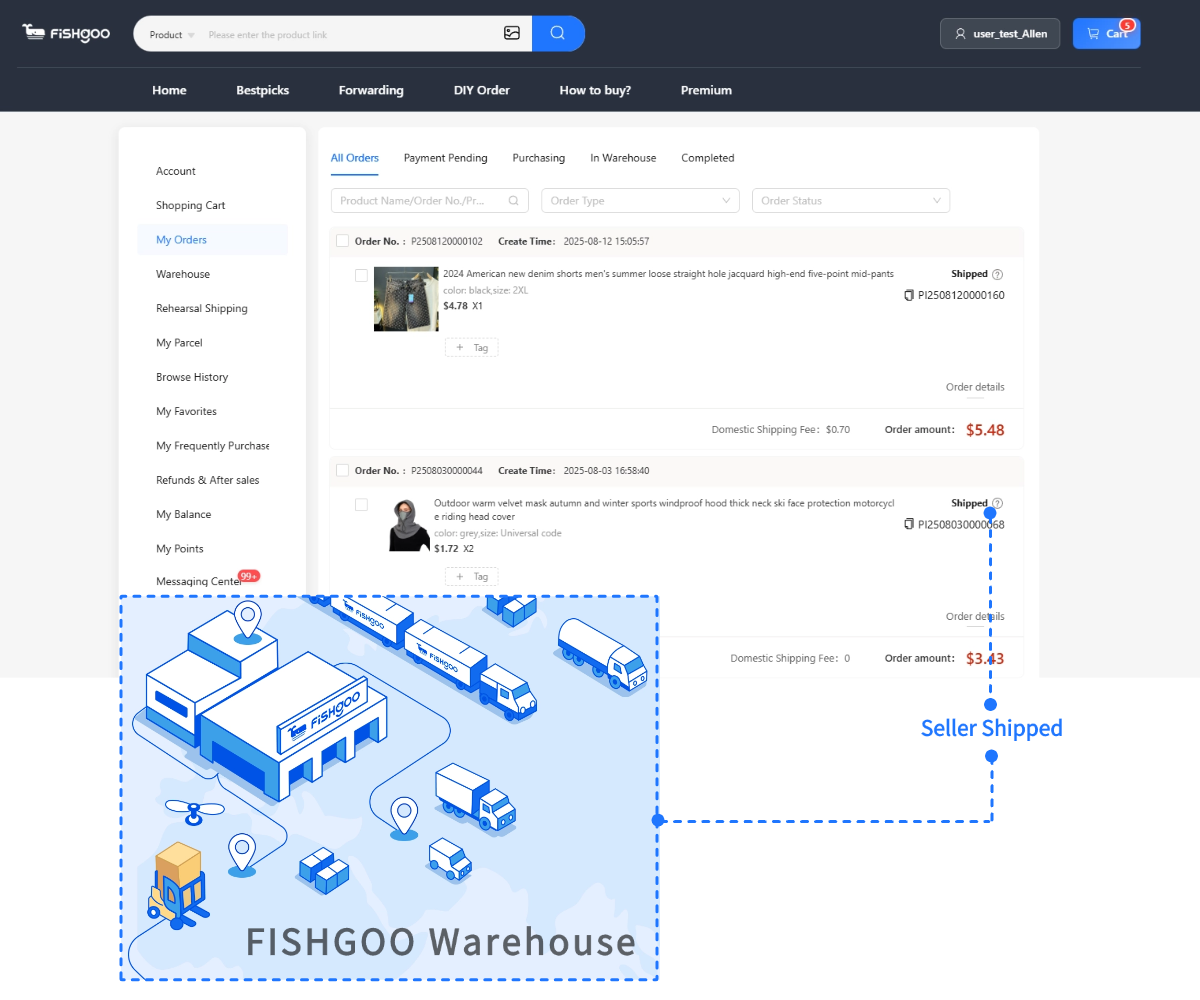
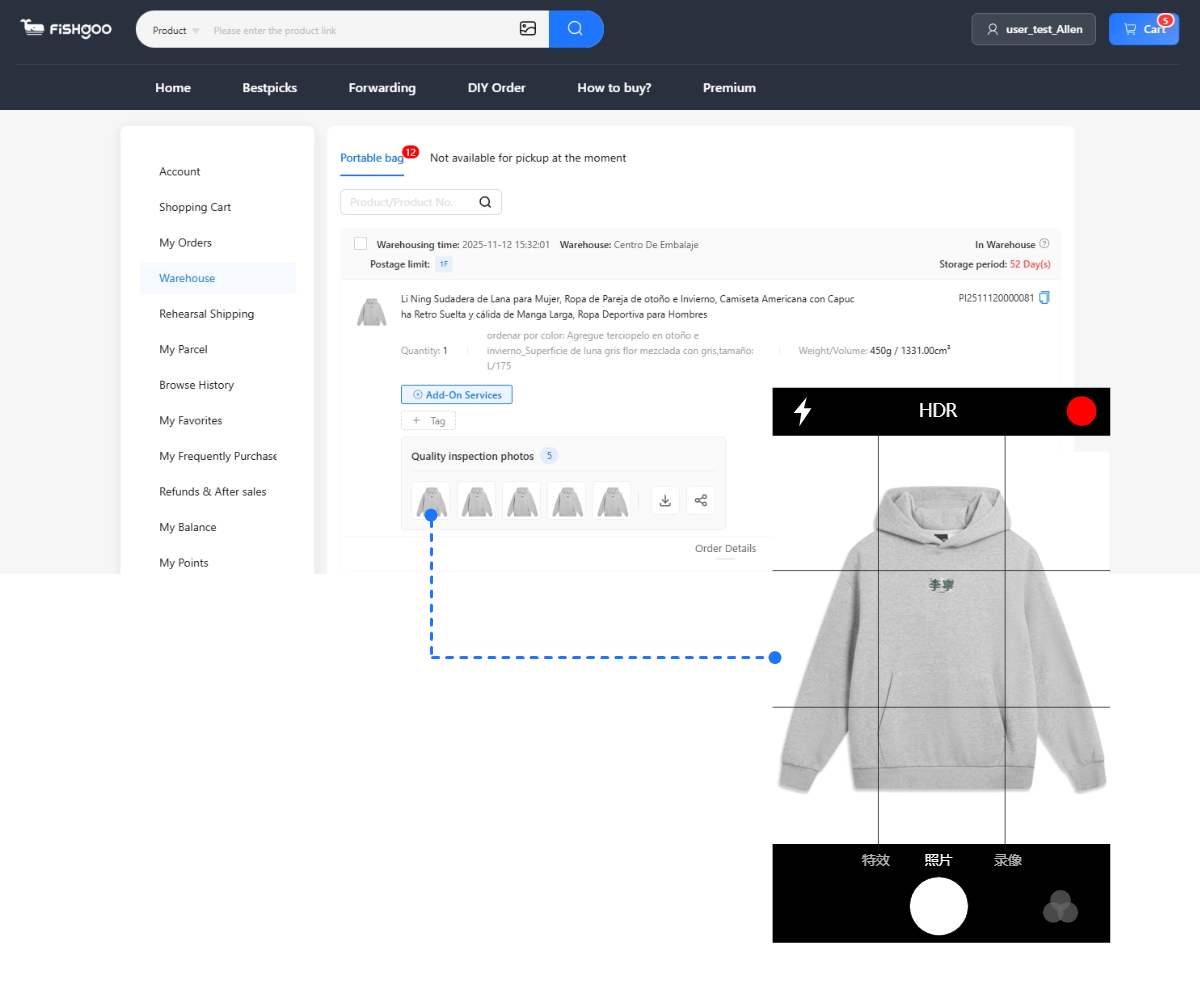
When your Taobao agent buys an item from a seller, the seller ships it to the agent’s warehouse in China — usually in Guangzhou, Shenzhen, or another logistics hub in Guangdong province. The item gets received, photographed for QC, and sits in the warehouse waiting for you to do one of three things:
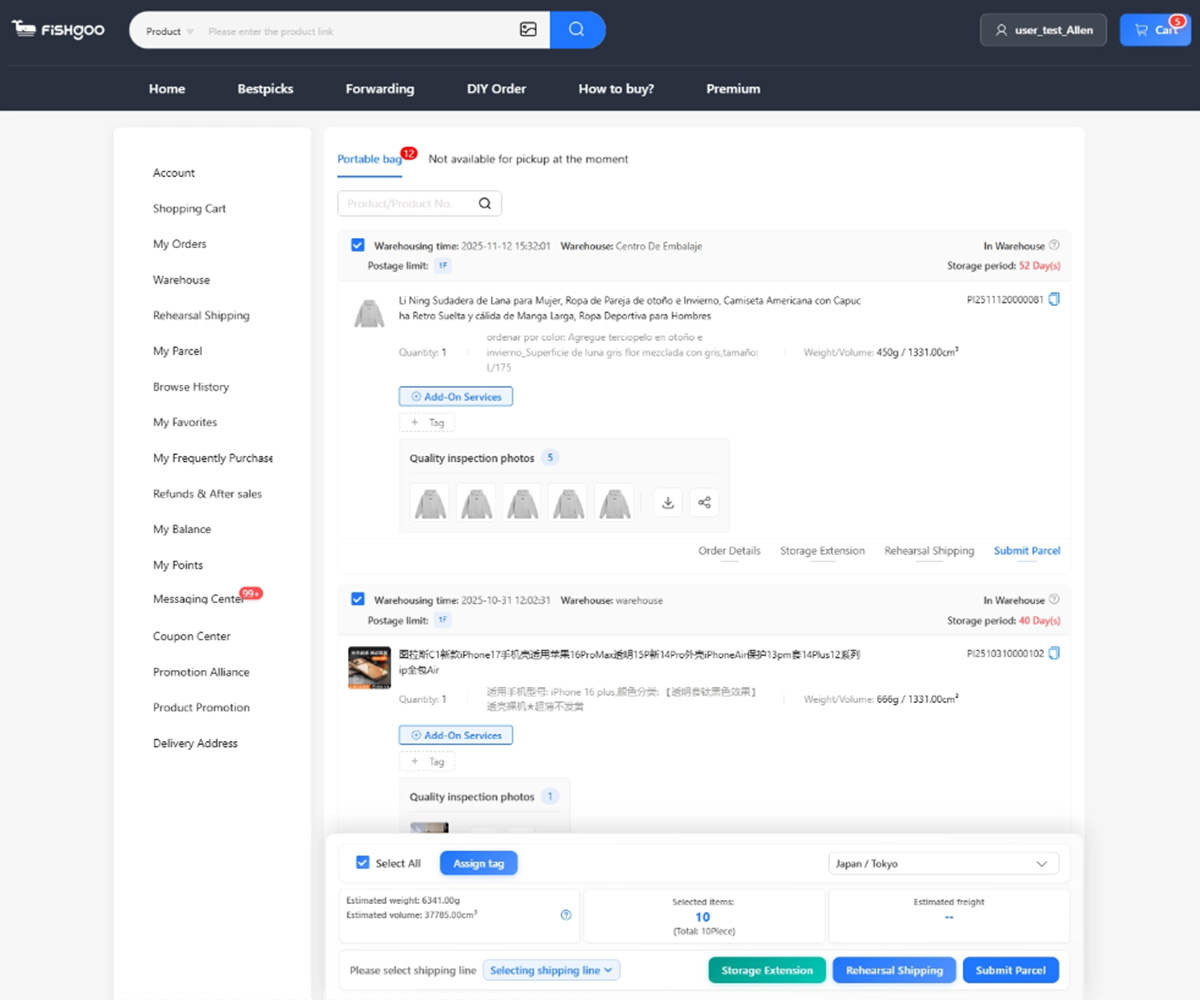
- Submit it for international shipping (consolidate with other items)
- Return it to the seller (after rejecting it via QC review)
- Leave it in storage for later action
That third option is where warehouse storage policies matter. Items don’t have to leave the warehouse the moment they arrive. They can sit, wait, accumulate alongside other purchases, and ship in one optimized batch when you’re ready.
The free storage period is the window during which this costs you nothing. What happens after it ends depends on the agent: many charge a small daily fee based on the parcel’s volume, while Fishgoo lets you extend storage per order in the app.
Comparison: Free Storage Across Major Agents
| Agent | Free storage period | Post-period fees | Maximum storage before disposal |
|---|---|---|---|
| Fishgoo | 100 days | Paid extension in app | Up to 280 days with extensions |
| Superbuy | 60-90 days | ~$0.10/m³/day | 180 days |
| Sugargoo | Up to 180 days | ~$0.15/m³/day | 365 days |
| CSSBuy | 90 days | ~$0.10/m³/day | 180 days |
| Pandabuy | 60 days | ~$0.12/m³/day | 180 days |
| Wegobuy | 90 days | ~$0.10/m³/day | 180 days |
For most users, 90 days is more than enough. Sugargoo’s 180-day window is the longest in the industry but applies with smaller per-parcel limits. Fishgoo‘s 100 days combined with zero service fee and 5 free QC photos creates the best total value for buyers who use long storage strategically.
Always check current policies on each agent’s website — terms occasionally change.
Why Long Storage Is a Strategic Advantage
Most beginners treat warehouse storage as just “the time between QC and shipping.” But experienced buyers use it as an active tool to optimize spending. Five common strategic uses:
1. Building larger consolidated parcels
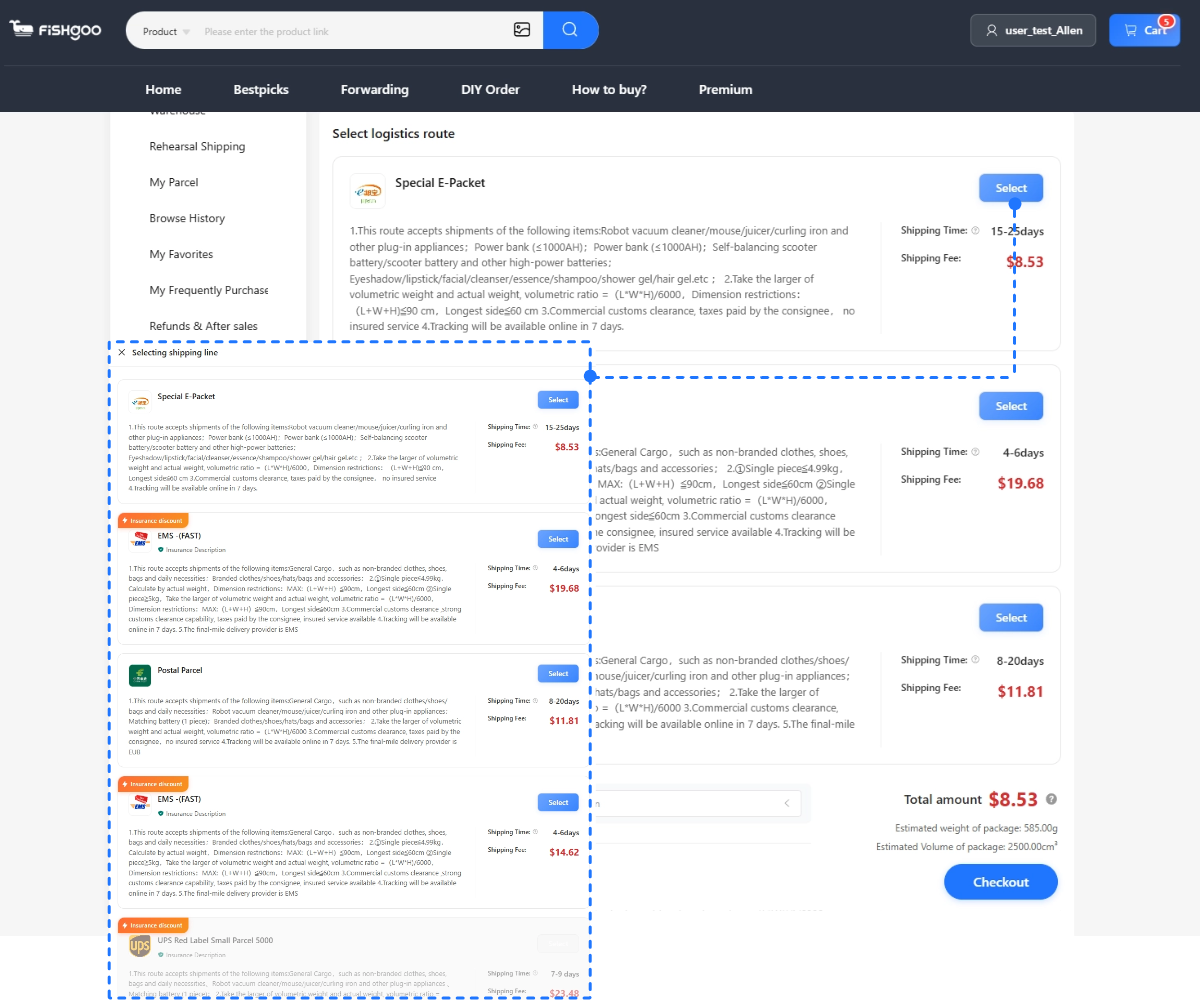
The single biggest reason. International shipping has a high base rate — the first kilogram costs significantly more per unit than each additional kilogram. By accumulating 12-20 items at the warehouse before shipping, you spread the base rate across more items and dramatically reduce per-item shipping cost.
| Parcel size | Total shipping (USD) | Per-item shipping |
|---|---|---|
| 3 items (~1kg) | $18 | $6.00 |
| 8 items (~2.5kg) | $24 | $3.00 |
| 15 items (~4kg) | $32 | $2.13 |
| 25 items (~6kg) | $45 | $1.80 |
Storage is what enables this math. Without long storage windows, you’d be forced to ship small parcels every few weeks at the worst per-item economics. With 100 days of storage, you can patiently build larger and larger consolidated shipments.
→ How to minimize shipping costs
2. Waiting for upcoming sales
You ordered some items in October. November 11 is coming with 30-70% discounts. Instead of shipping the October items separately, hold them at the warehouse, place 11.11 sale orders, then ship everything together as one optimized parcel after the sale. Saves the cost of two separate international shipments and lets you benefit from sale prices on additional items.
3. Avoiding Chinese New Year delays
Chinese factories and warehouses slow down or close for 1-2 weeks during CNY (mid-February). If you have items at the warehouse when this happens, they sit safely in storage. If you’re trying to actively place orders, you face delays of 2-4 weeks. Long storage means you can pre-order in January, let items accumulate, and ship after CNY rush ends without missing any opportunity.
4. Aligning multiple supplier deliveries
You ordered items from 8 different Taobao sellers. They ship at different speeds — some arrive at the warehouse in 2 days, others in 7 days. Storage gives the slow shipments time to catch up so everything ships together as one consolidated parcel instead of being forced to send partial shipments.
5. Bulk inventory accumulation for resellers
Resellers often want to receive inventory in larger batches (better shipping economics, better customer fulfillment) rather than constant small shipments. Warehouse storage allows multiple supplier orders to accumulate before triggering a single bulk international shipment.
How Storage Fees Actually Work
Agents charge for storage after the free period in different ways. Many use a small daily fee based on the parcel’s volume, so a bulky parcel costs more to keep. Fishgoo charges per order for each extension instead.
How extending works at Fishgoo: each item gets 100 free days from the day it arrives at the warehouse. To keep it longer, open My Warehouse, choose the item and select Storage Extension. Each order costs 10 CNY for every 30 extra days, and you can extend by up to 180 days.
- 30 extra days: 10 CNY
- 90 extra days: 30 CNY
- 180 extra days (the maximum): 60 CNY, for up to 280 days in total
The fee is per order rather than per cubic metre, so a bulky order costs the same to extend as a small one. Extensions can’t be added to items that haven’t reached the warehouse yet, or to items already in an after-sales request or submitted for shipping.
For most personal hauls, the 100 free days are enough to collect everything and ship once. Extend only when you’re still waiting on a late seller or a sale.
What to Avoid
Don’t forget about your items. Most agents will warn you when items approach the free storage limit. If you ignore the warnings and don’t take action, fees begin and eventually items can be disposed of. Set a reminder when you place orders you intend to leave at the warehouse for extended periods.
Don’t leave perishables. Warehouse storage works for non-perishable items only. Anything with a shelf life (food, cosmetics, supplements) shouldn’t be stored long-term — though most agents won’t accept these categories anyway.
Don’t store extremely fragile items longer than necessary. Warehouses are working logistics facilities. Items are handled multiple times, moved between shelves, repackaged for consolidation. Glass, ceramics, and delicate electronics are best shipped quickly rather than sitting in storage for months.
Don’t ignore agent notifications. If your agent emails about storage expiration or fee accumulation, respond. Ignoring messages can lead to fees you didn’t budget for or even item disposal.
FAQ
How long does Fishgoo offer free warehouse storage?
100 days from when each item arrives at the warehouse. After that, you can extend storage in My Warehouse: 10 CNY per order for every 30 days, up to 180 extra days.
Can I extend storage beyond the free period?
Yes. At Fishgoo, open My Warehouse, choose the item and select Storage Extension: 10 CNY per order for every 30 days, up to 180 extra days. You can also ship what is already there and start a new consolidation cycle. Other agents set their own fees and maximum storage windows.
What happens if I forget about items in the warehouse?
You’ll receive notifications as the free period ends and as fees accumulate. If you continue to ignore them, items eventually face disposal — usually after the maximum storage window (180+ days). Prevent this by setting personal reminders.
Which agent has the longest free storage?
Sugargoo offers up to 180 days. Fishgoo offers 100 days, but combined with zero service fee and 5 free QC photos, it’s the better total value for most users.
When does the free storage period start?
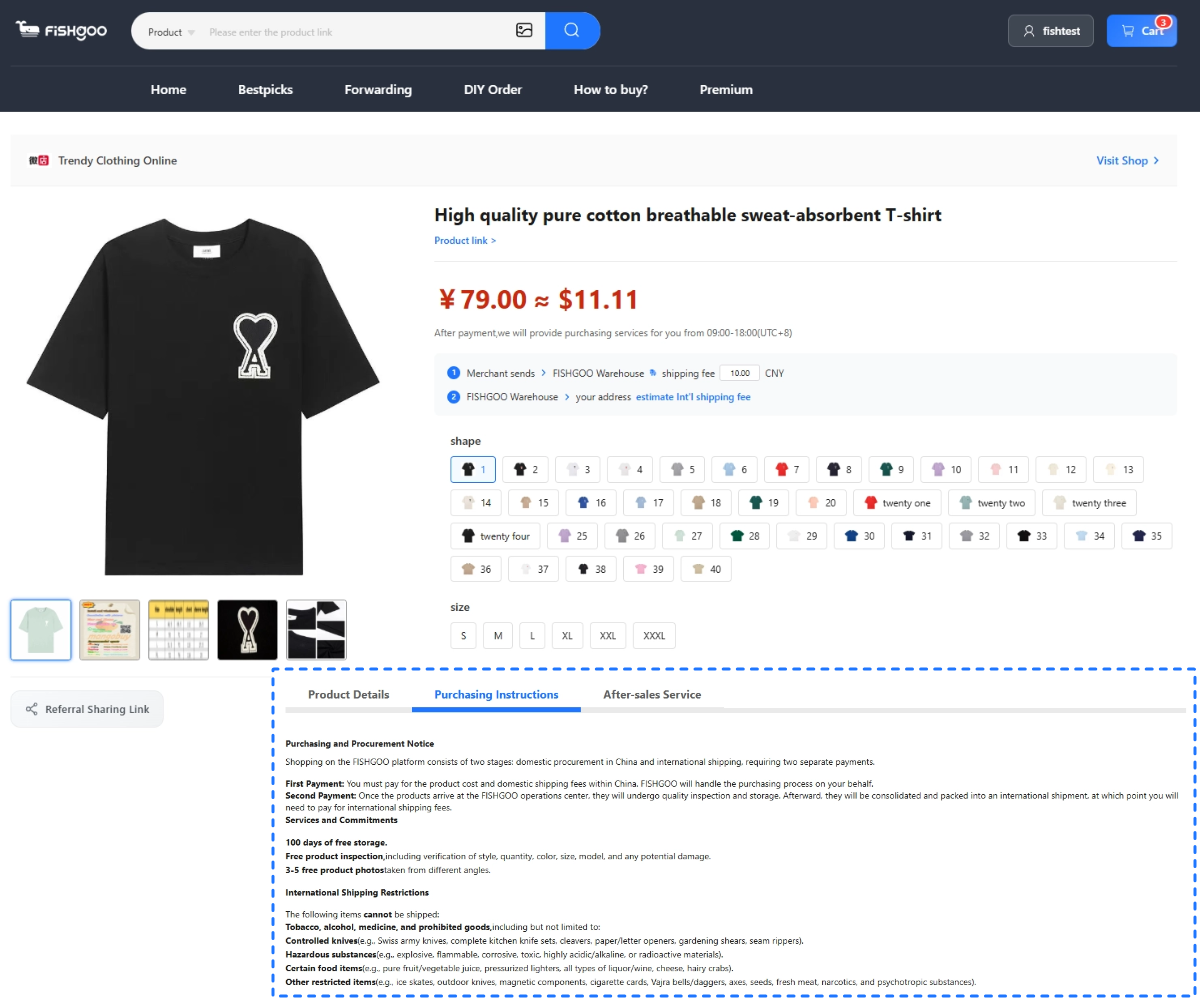
At Fishgoo, the 100 free days are counted from the day each item arrives at the warehouse. Items are checked and photographed when they arrive, so you can review QC photos during the free window.
Which agent is best overall for buyers who use long storage strategically?
Fishgoo — 100 days free storage, zero service fee, 5 free QC photos, and 2,000+ shipping routes. The total package supports strategic buyers better than alternatives at any specific feature level.


Start with one product, sample or restock task
Send the product link or description, approximate quantity and destination. Review the scope before any paid purchasing work begins.