Alternatives to AliExpress 2026: 6 Better Options Most Buyers Don’t Know Exist
AliExpress has been the default for international buyers wanting cheap Chinese products for over a decade. It’s easy to use, speaks English, accepts PayPal, ships almost anywhere. For casual shoppers buying a phone case every few months, it works fine.
But once you start paying attention — really looking at prices, checking quality, comparing with what experienced buyers are doing — you notice that AliExpress isn’t actually the cheapest or the best option. It’s the most convenient option. And those two things stopped being synonymous a long time ago.
The platforms that beat AliExpress on price, selection, or quality exist and have existed for years. This article walks through the 6 main alternatives, what each is good for, and which one delivers the best actual economics for most international buyers.
→ Want the deeper comparison? Taobao vs AliExpress detailed breakdown
Why Look for AliExpress Alternatives at All?
Three specific problems drive serious buyers away from AliExpress:
1. Price markup. AliExpress operates as the “international storefront” for Chinese products. The same items are available on Taobao (China’s domestic marketplace) at prices 30-80% lower. The markup covers AliExpress’s translation, customer service, marketing, and international payment infrastructure — real costs, but costs you’re paying whether you value them or not.
2. Curated selection. AliExpress lists maybe 5-10% of what’s actually available in the Chinese domestic market. Sellers choose to list on AliExpress when it’s worth their effort — which excludes small sellers, niche products, and most of the interesting long-tail inventory. Most of the good stuff on Taobao never reaches AliExpress at all.
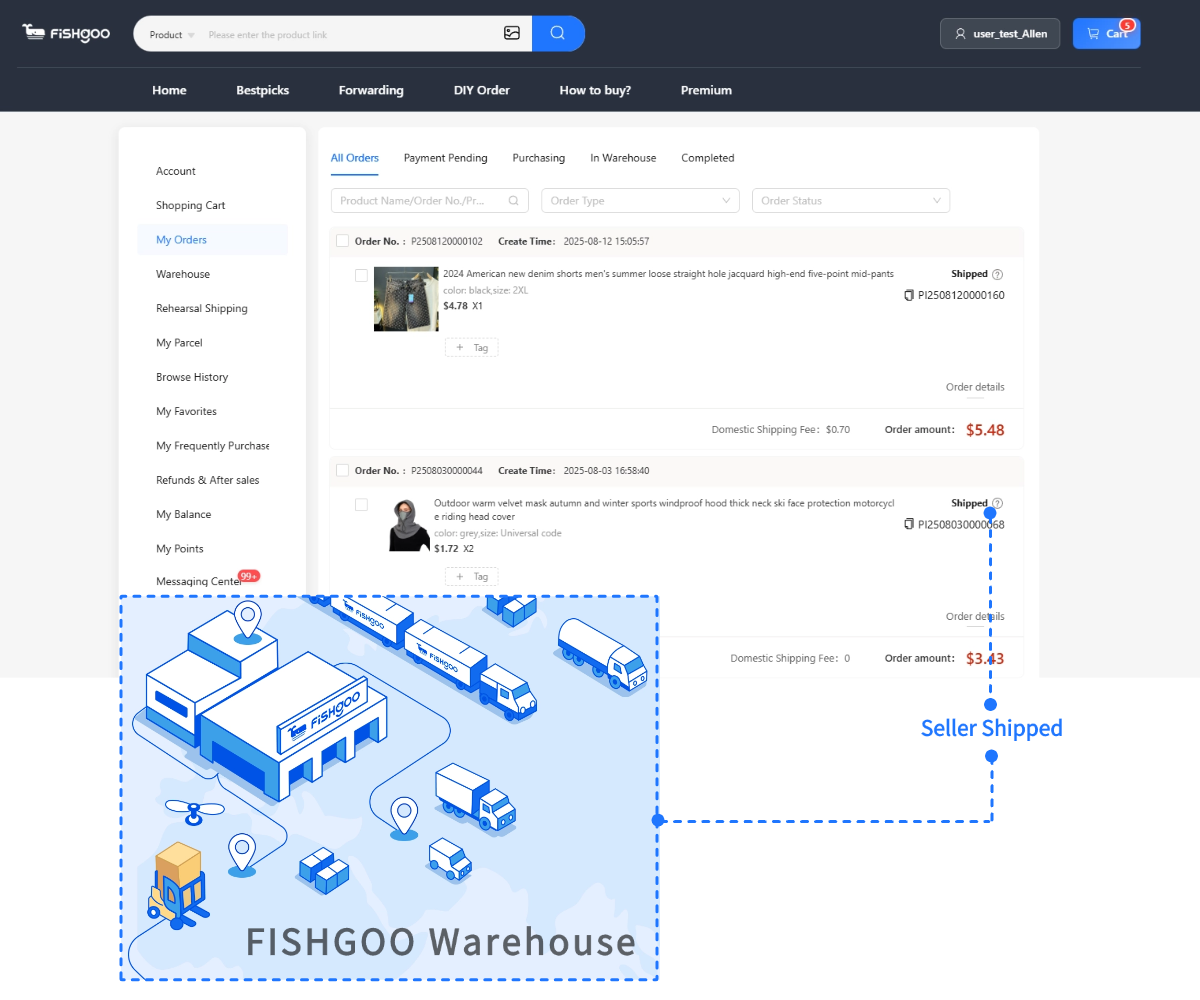
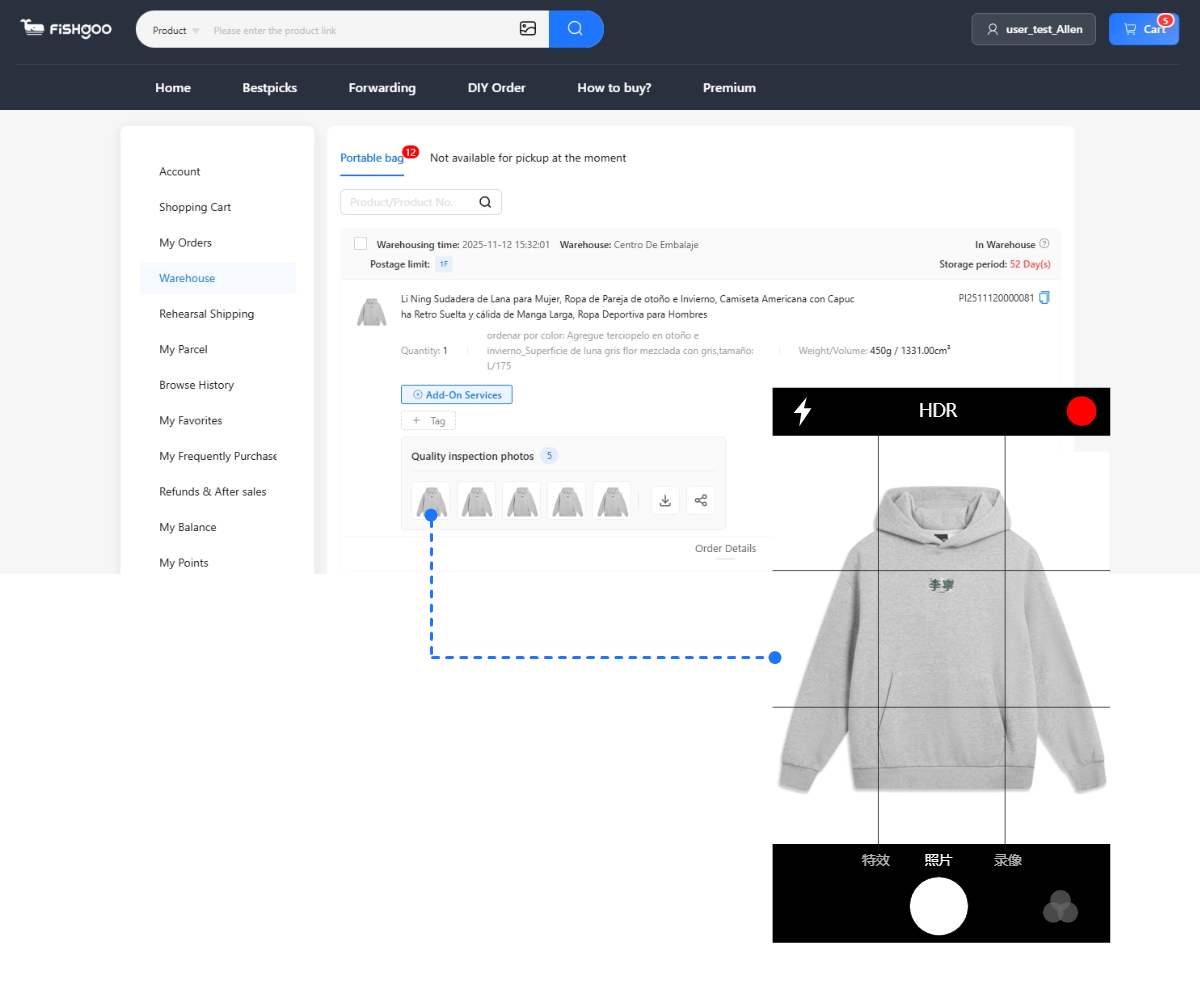
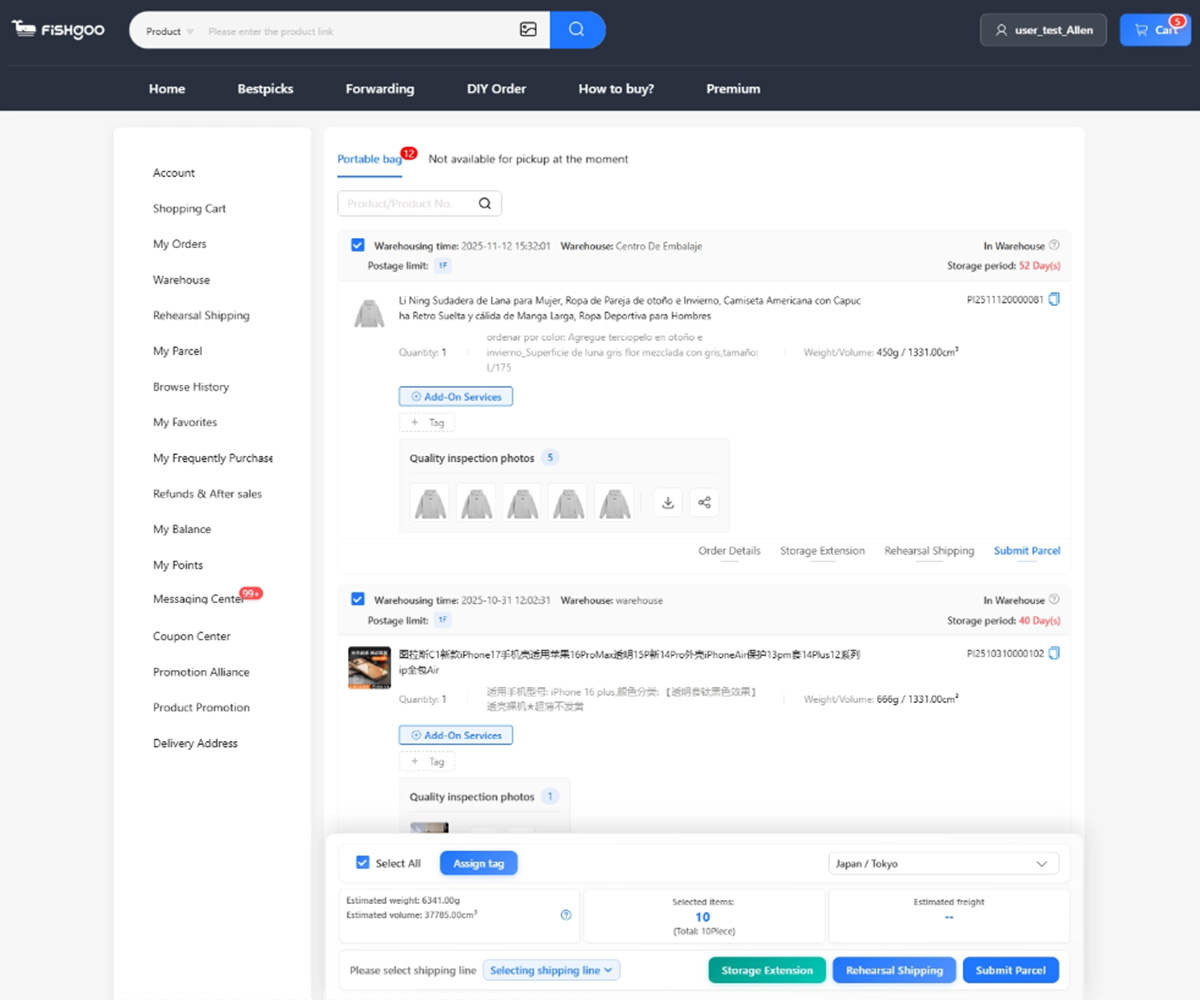
3. No quality inspection. AliExpress ships products directly from seller to you. If something’s wrong, you discover it after international delivery — at which point returns become painful or impossible. Alternative platforms accessed through agents offer pre-shipping QC photos that let you verify quality before committing to international shipping.
The 6 Main Alternatives Ranked
Alternative 1: Taobao (via agent) — The Real Source
Best for: Almost everything. Lowest prices, widest selection, best quality control.
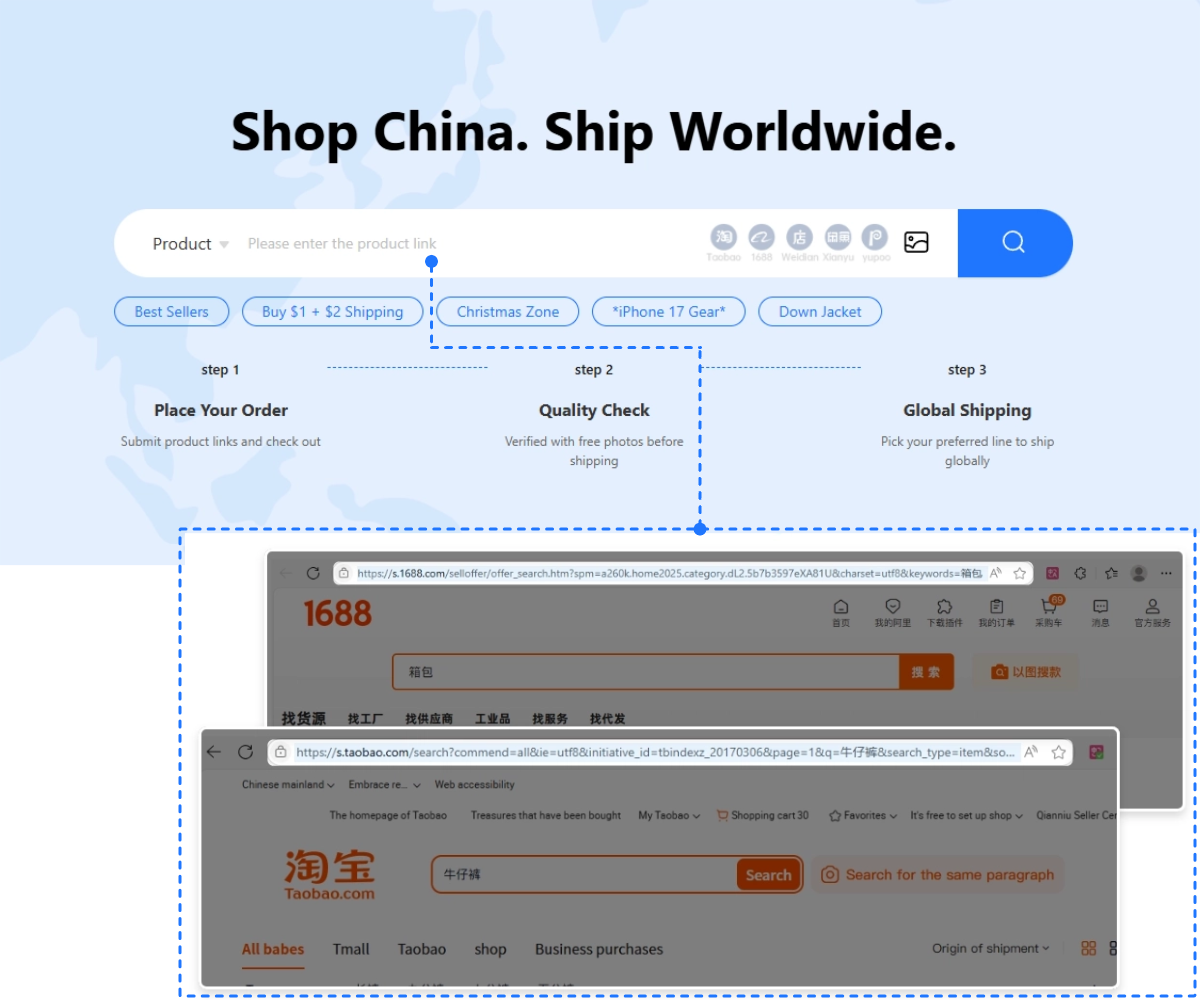
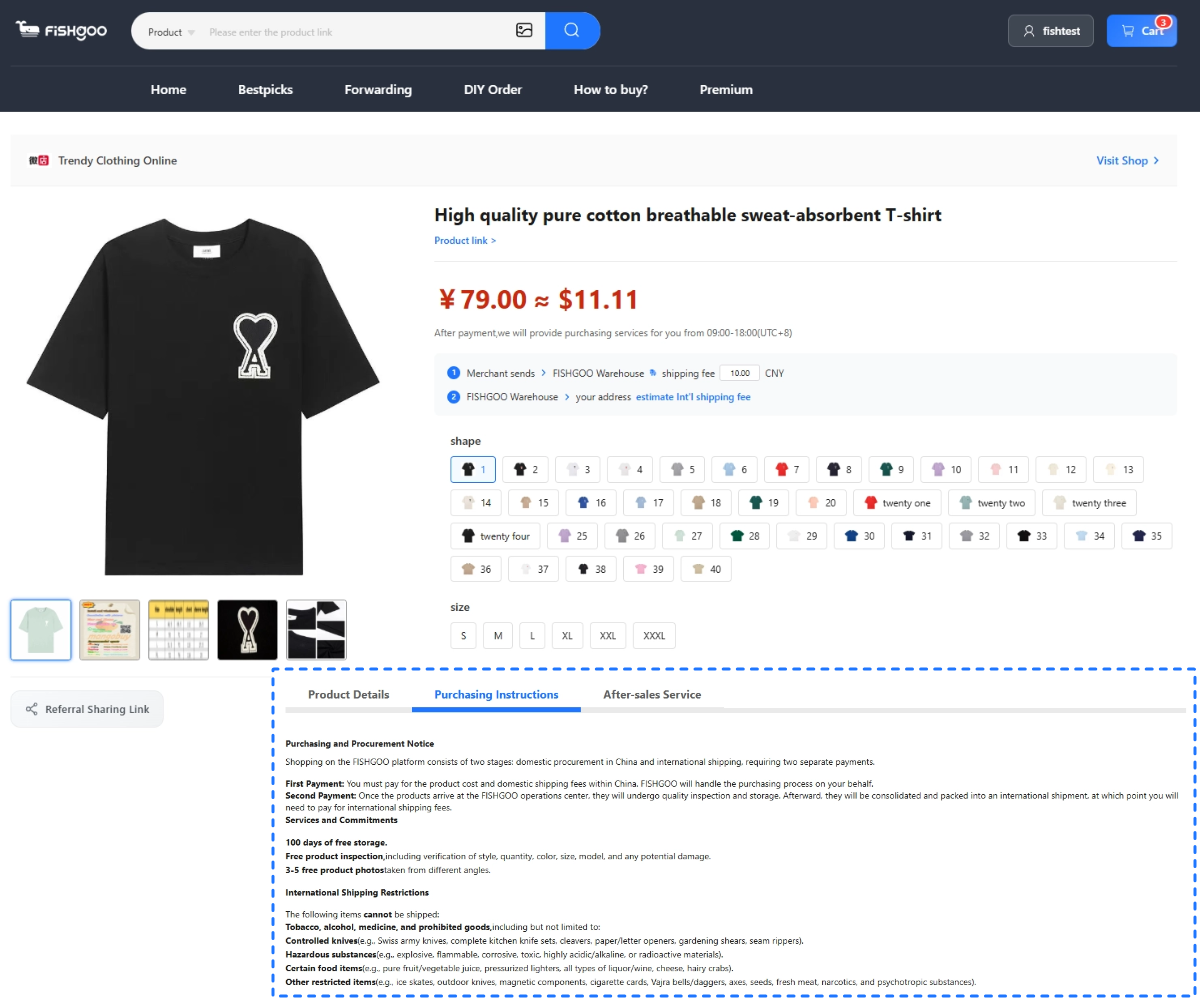
Taobao is where AliExpress sellers source much of their inventory. Cutting out AliExpress as a middleman means paying source prices instead of markup prices. Access requires a Taobao agent like Fishgoo — free to sign up, zero service fee, English interface, PayPal accepted.
Pros: 30-80% lower prices than AliExpress. Full product catalog. Pre-shipping QC photos. Consolidated shipping economics. Access to Tmall authentic brand flagships.
Cons: Requires an agent (10-minute signup). Better for multi-item orders than single-item purchases.
Alternative 2: 1688 (via agent) — Wholesale Tier
Best for: Resellers, bulk buyers, small businesses wanting wholesale rates without a trading company.
1688 is Alibaba’s Chinese-language B2B wholesale platform. Prices are another 30-50% below Taobao — actual wholesale tier. Most sellers require minimum orders of 2-5 units, which is totally achievable for small buyers. Access through the same agents that handle Taobao.
Pros: Cheapest possible source pricing. Factory-direct access. Same agent handles it alongside Taobao.
Cons: Minimum order quantities (usually small). Entirely in Chinese. Less consumer-friendly than Taobao.
Alternative 3: Weidian (via agent) — Niche Specialty
Best for: Specific categories like replica fashion, sneakers, and small artisan sellers not listed on Taobao.
Weidian (微店) is a secondary Chinese marketplace populated by smaller sellers who often don’t maintain Taobao stores. Many cult sneaker sellers, cosplay artisans, and specialty fashion operators sell exclusively on Weidian. Prices are similar to Taobao but selection is different.
Pros: Unique inventory not available elsewhere. Strong for replica fashion and sneaker communities. Same agent compatibility as Taobao.
Cons: Less consumer protection than Taobao. Trust each seller individually through community reviews.
Alternative 4: Tmall (via agent) — Authentic Brands
Best for: Authentic Nike, Adidas, Apple, and other major brand products at lower-than-US prices.
Tmall is Alibaba’s verified brand store platform — sellers must hold brand authorization. Authentic branded products from major global and Chinese brands sell at 20-50% below US/EU retail. Accessed through the same Taobao agents.
Pros: Genuinely authentic products. Flagship store verification. Real warranties (varies by brand).
Cons: Smaller selection than the main Taobao marketplace. Still requires an agent for international buyers.
Alternative 5: Shein — Fast Fashion Only
Best for: Casual fast fashion buyers who want direct English shopping with no agent setup.
Shein is the English-native fast fashion alternative. Prices are higher than Taobao but still competitive with Western fast fashion. No agent required, ships directly to most countries.
Pros: Zero learning curve. Direct international shipping. English interface.
Cons: 30-50% more expensive than Taobao for the same items. Fashion-only (no electronics, hobby, home goods). No QC inspection.
Alternative 6: Temu — Curated Budget
Best for: Casual browsing of random cheap finds without specific products in mind.
Temu (owned by PDD, a major Alibaba competitor in China) launched as a curated-budget marketplace for international buyers. Prices undercut AliExpress by 10-30% on many items, but selection is algorithmically curated rather than comprehensive.
Pros: Direct English shopping. Aggressive pricing on featured items. Good for discovery.
Cons: Still 20-50% more expensive than Taobao for equivalent items. Limited selection. No agent-level quality control.
Head-to-Head Price Comparison
| Item (typical basic) | AliExpress | Shein | Temu | Taobao (via agent) |
|---|---|---|---|---|
| Plain hoodie | $14-22 | $12-18 | $10-16 | $6-10 |
| Phone case | $2.50-5 | — | $2-4 | $0.70-1.50 |
| Crossbody bag | $8-15 | $10-18 | $7-14 | $3-7 |
| Knit dress | $18-30 | $15-25 | $14-22 | $8-15 |
| Sneakers (basic) | $22-38 | — | $18-30 | $12-22 |
Taobao wins across every category. The price advantage comes from buying at the same point in the supply chain where AliExpress, Shein, and Temu all source from — except without the international markup layer added on top.
→ Cheap clothes from China walkthrough
Real Total Cost Comparison: 8-Item Order to USA
| AliExpress | Taobao via Fishgoo | |
|---|---|---|
| Product subtotal | $95 | $42 |
| Service fee | $0 | $0 |
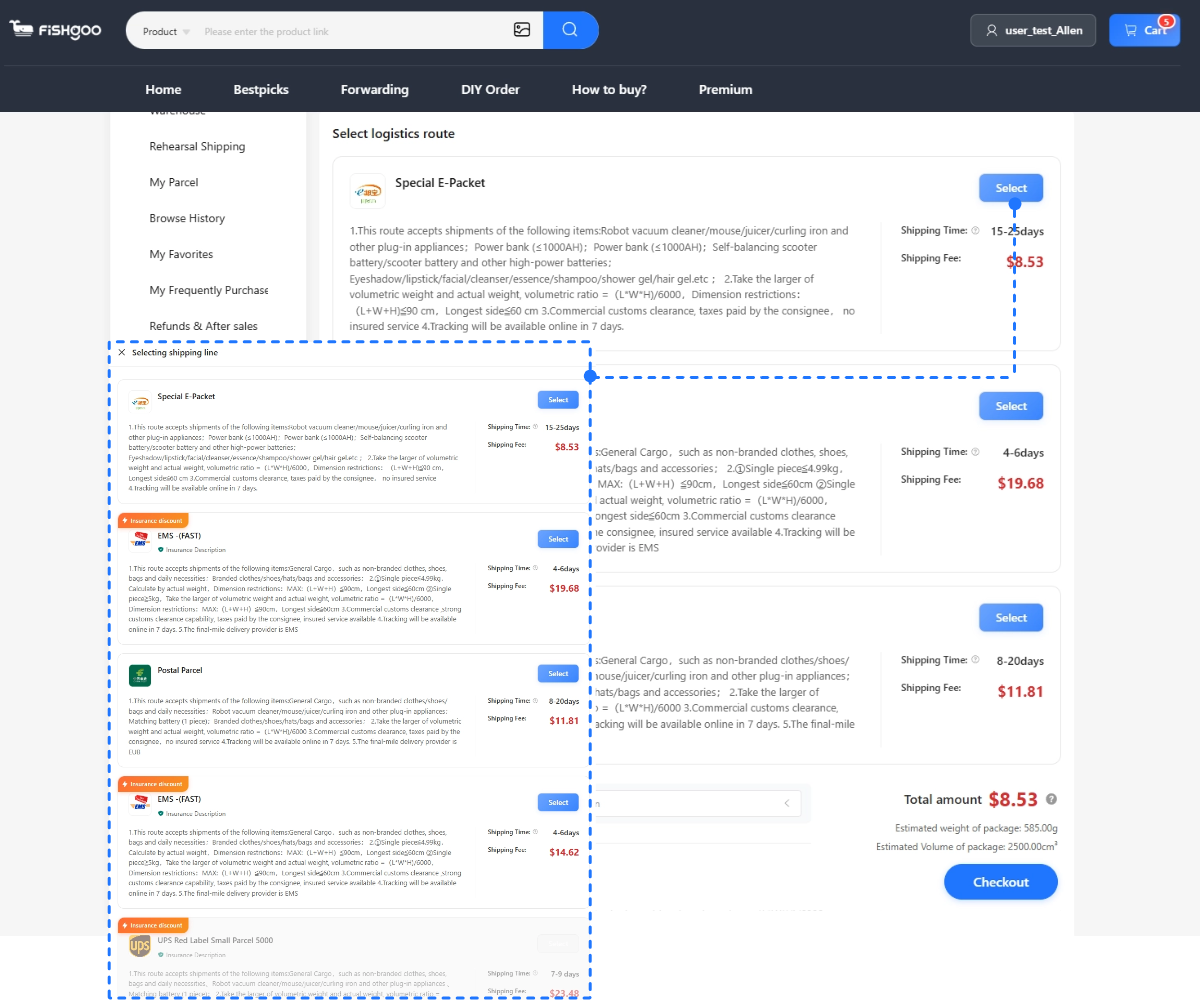
| Shipping | “Free” (built into prices) | $22 (economy consolidated) |
| Total to door | ~$95 | ~$64 |
Save $31 on a single order by switching sources — and that gap grows as order size grows. Across a year of regular shopping, the switch adds up to hundreds of dollars in real savings.
For Dropshippers: Which AliExpress Alternative Actually Works?
A good share of people searching for AliExpress alternatives are not shopping for themselves — they run a store and are tired of AliExpress margins, three-week delivery times and identical listings to every competitor. The calculus is different for you, so here it is separately.
What AliExpress gives dropshippers is integration: one-click product import, automatic order forwarding, and a supplier who ships single units to your customer without asking questions. What it costs you is margin (you are buying at retail-plus) and differentiation (every other store imports the same listing).
What sourcing through an agent gives you is the price floor. Taobao and 1688 are where many AliExpress sellers buy in the first place, so buying there cuts out a layer of markup — typically 30–80% lower on Taobao, and lower again on 1688 where minimums are often just 2–5 units. You also get pre-shipping QC photos, which matters more when the parcel is going to a paying customer than when it is going to you.
| AliExpress (native dropship) | Taobao / 1688 via agent | |
|---|---|---|
| Product cost | Retail-plus | Source price (30–80% lower) |
| Store integration | Built in (apps, auto-forwarding) | Not built in — needs a fulfilment arrangement |
| Quality control before it ships to your customer | None | QC photos per item |
| Minimum order | 1 unit | Taobao 1 unit; 1688 often 2–5 |
| Differentiation | Low — shared listings | High — full catalogue, custom packaging possible |
| Best at | Testing products fast with zero setup | Scaling a validated product with real margin |
The honest split: test on AliExpress, scale via an agent. AliExpress is unbeatable for validating whether anyone wants a product, because the setup cost is zero. Once something sells, the same item sourced from Taobao or 1688 through an agent is where the margin lives — and where you stop selling the identical listing as everyone else. Fishgoo’s business tier adds the pieces a scaling store needs on top of the standard account: a dedicated account manager, factory-level sourcing with low MOQs, custom packaging, and dropshipping fulfilment. The reseller playbook is in Taobao for resellers, and Taobao to Amazon FBA covers the marketplace-specific route.
The Platforms That Didn’t Make the Six — and Why
Most “AliExpress alternatives” lists run to fourteen or twenty entries. Ours stops at six, which is a deliberate choice rather than an oversight — a longer list is easier to write and harder to act on. But the platforms below come up constantly, so here is an honest verdict on each, including the cases where one of them genuinely beats everything in our top six.
| Platform | Genuinely better than our six when… | Why it didn’t make the list |
|---|---|---|
| DHgate | You want small-batch wholesale in English with buyer protection built in, and you don’t want to deal with an agent at all | Prices sit above Taobao and 1688 because sellers are paying for the English storefront and the escrow. You are buying convenience, which is a fair trade — just not the cheapest one. |
| Banggood | You want electronics or gadgets shipped from a local warehouse in days rather than weeks | Curated catalogue, so selection is a fraction of Taobao’s. Excellent for a specific gadget, limiting if you are sourcing broadly. |
| Alibaba.com | You are placing genuine bulk orders and want supplier verification, trade assurance and negotiated terms | Built for container-scale B2B. Minimums and negotiation overhead make it the wrong tool for anything under a few hundred units — 1688 is Alibaba’s own domestic platform and is cheaper for small quantities. |
| Made-in-China | You need industrial goods, machinery or components with factory audits | Same B2B tier as Alibaba, narrower on consumer categories. |
| Pinduoduo | You are inside China and can use group-buying pricing | Group-buy mechanics and account requirements make it awkward through an agent, and the price edge over Taobao mostly evaporates once shipping is added. |
| Spocket, Zendrop, CJ Dropshipping, AutoDS, EPROLO | You run a store and want product import, automatic order routing and a supplier that ships single units to your customer with no setup | These are fulfilment layers, not sources. They mostly buy from the same Chinese platforms and add a margin for the automation. Genuinely worth that margin while you are testing products — see the dropshipping section above for where the maths turns. |
The pattern worth noticing: almost every platform on this list is a convenience layer sitting on top of the same supply. DHgate adds an English storefront. Banggood adds a warehouse. Spocket and Zendrop add automation. Each is a reasonable thing to pay for, and each moves you further from source pricing. The six in our main list are chosen the other way round — closest to source, with an agent supplying the convenience instead of a markup.
Which means the honest recommendation is not “always buy from Taobao.” It is: work out which convenience you actually need, then buy from the cheapest layer that provides it. If that is same-week delivery on a single gadget, Banggood wins and we would tell you so. If it is fifty items across twenty sellers at the lowest total landed cost, nothing on this second list gets close.
Which Alternative Should You Pick?
For most people: Taobao via Fishgoo. Lowest prices, widest selection, best quality control. The only “cost” is spending 10 minutes setting up an agent account — a one-time effort that pays off on every future order.
For bulk buyers and resellers: Add 1688 alongside Taobao. Same agent, wholesale tier prices.
For authentic branded products: Tmall flagships via your Taobao agent.
For replica fashion or sneakers: Weidian alongside Taobao via the same agent.
For zero-effort fast fashion: Shein, if you value convenience over price.
For zero-effort random cheap browsing: Temu, though you’ll pay more than Taobao.
Fishgoo is the one platform that unlocks Taobao, Tmall, 1688, and Weidian all through the same interface — so once you’re set up, you’re set up for every source.
FAQ
Is AliExpress being replaced?
Not really — it’s being bypassed. Experienced buyers skip AliExpress and go directly to the platforms AliExpress sources from. AliExpress still serves casual buyers who value convenience over price.
Is it harder to use Taobao than AliExpress?
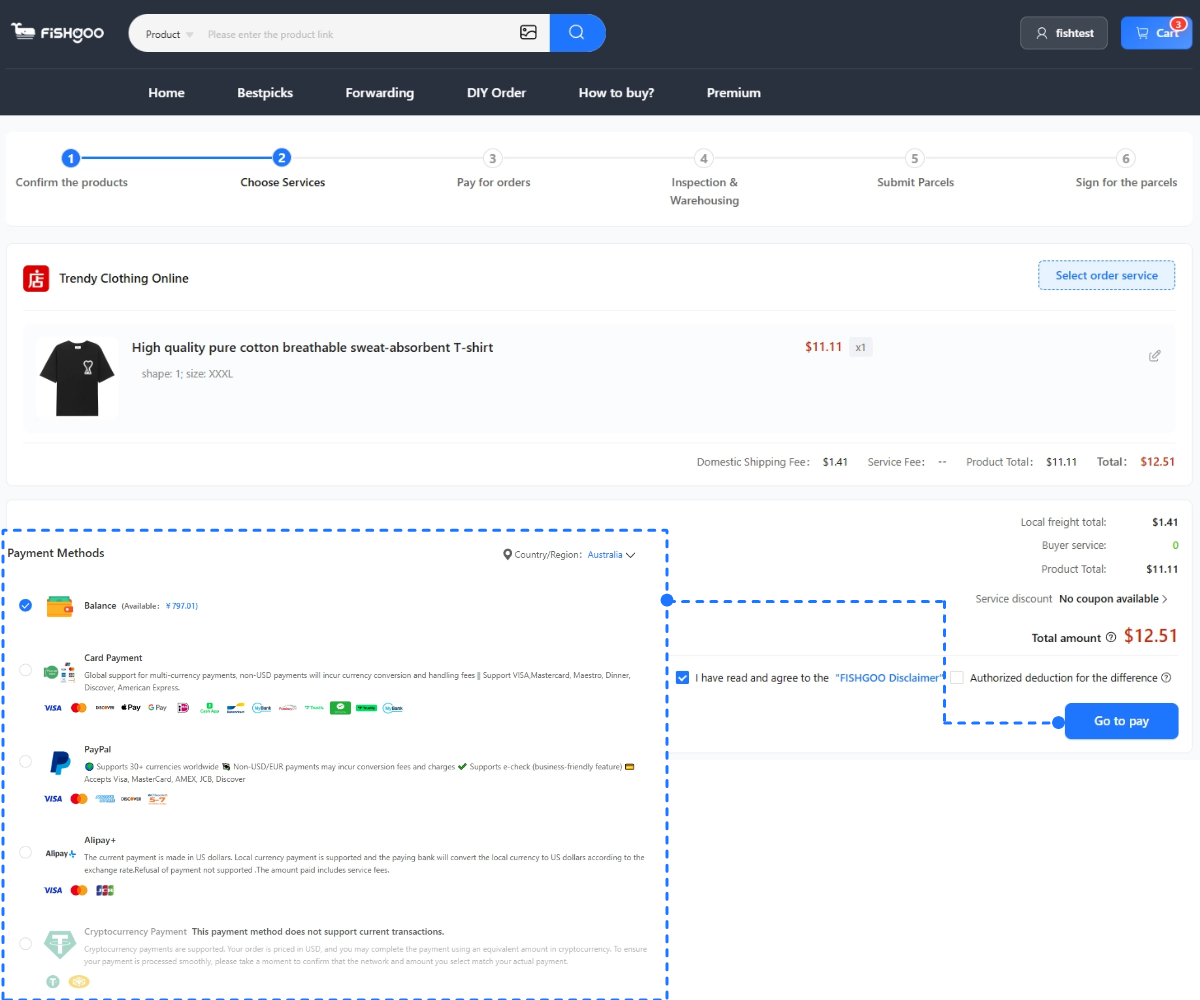
Initial setup is one extra step (agent signup, 10 minutes). After that, the workflow is comparable: paste link, select size, pay via PayPal. Agent dashboards like Fishgoo‘s are as clean as AliExpress’s.
Can I still use PayPal on Taobao alternatives?
Yes. All major Taobao agents accept PayPal. Payment flow is identical to AliExpress from the buyer’s perspective.
Which alternative has the cheapest total cost?
Taobao via Fishgoo — lowest product prices, zero service fee, and consolidation shipping all combine to give the cheapest delivered cost for multi-item orders.
How long does shipping take compared to AliExpress?
Similar or faster. Taobao via agent: 10-25 days typical. AliExpress: 15-40 days typical. Agent consolidation shipping uses faster lanes than AliExpress default economy.
→ Try the best AliExpress alternative — Fishgoo, zero fee
What is the best AliExpress alternative for dropshipping?
For testing products, AliExpress itself is hard to beat because store integration is built in. For scaling a product that already sells, sourcing the same item from Taobao or 1688 through an agent gives 30–80% lower product cost, QC photos before it ships to your customer, and access to custom packaging and dropshipping fulfilment through a business-tier account.
Is Taobao good for dropshipping?
Yes, once a product is validated. Taobao and 1688 are where many AliExpress sellers source, so buying there removes a layer of markup. The trade-off is that there is no native store integration — you need a fulfilment arrangement, which agents with a business tier provide.
Is DHgate a good AliExpress alternative?
For small-batch wholesale in English with built-in buyer protection, yes. DHgate is genuinely convenient and requires no shopping agent. Prices sit above Taobao and 1688 though, because sellers are covering the English storefront and escrow — you are paying for convenience rather than getting closer to source.
Is Banggood better than AliExpress?
For electronics and gadgets shipped from a local warehouse, often yes — delivery is days rather than weeks. The catalogue is curated, so selection is a fraction of what Taobao offers. Excellent for one specific gadget, limiting if you are sourcing across categories.
Should I use Alibaba instead of AliExpress?
Only for genuine bulk orders. Alibaba.com is built for container-scale B2B with supplier verification and negotiated terms, and the minimums and negotiation overhead make it the wrong tool below a few hundred units. For small quantities, 1688 — Alibaba’s own domestic platform — is cheaper.
Are Spocket, Zendrop and CJ Dropshipping AliExpress alternatives?
They are fulfilment layers rather than sources. Most of them buy from the same Chinese platforms and add a margin for automation, product import and single-unit order routing. That margin is worth paying while you are testing products; once something sells consistently, sourcing the same item directly is where the margin returns.


Start with one product, sample or restock task
Send the product link or description, approximate quantity and destination. Review the scope before any paid purchasing work begins.