Guzi: How to Buy Official Chinese Anime & Game Merch From Abroad
Guzi is fan slang for official anime, donghua and game merchandise that rarely leaves China. This covers where MDZS, TGCF and other official goods are actually sold, and how to buy them from abroad.
Fans of Chinese anime and games tend to want one specific piece: the badge made by the studio that produced the show, not a lookalike from a fan shop. That is the guzi mindset. 谷子 (guzi, a homonym built on the English word “goods”) is what collectors call official merchandise for a Chinese anime, donghua, manhua or game — badges, acrylic stands, plushies, cards — and for most Chinese-made titles almost none of it is sold outside China.
The short version: official guzi is sold by the rights holder’s own store, usually on Tmall, Taobao, Weidian or bilibili’s mall, and almost never on the sites that show up first when you search in English. Those results are fan-run import shops selling their own reproductions, not the studio’s own goods. Buying the real thing from abroad means finding the actual Chinese storefront and having someone place the order there.
The words on the listing
Guzi culture runs on its own vocabulary, most of it borrowed from Japanese fan terms and re-pronounced in Mandarin. None of it is complicated once you have seen it once.
| Term | Pinyin | What it means |
|---|---|---|
| 谷子 | gǔzi | Official merch for an anime, donghua, manhua or game. From English “goods,” by way of Japanese グッズ. |
| 吧唧 | bājī | A round pin-back badge, usually 1.5–7.5 cm. The single most common guzi item. |
| 亚克力立牌 | yàkèlì lìpái | Acrylic stand — a flat printed character cutout on a clear acrylic base. |
| 色纸 | sèzhǐ | Shikishi, from Japanese 色紙: a thick printed art board, sometimes with a facsimile signature. |
| 镭射票 | léishè piào | Laser ticket — a small holographic-finish card, collected and displayed like a photocard. |
| 痛包 | tòngbāo | Itabag, from Japanese 痛バッグ: a bag covered in pins and charms for a favorite character. |
| 盲盒 | mánghé | Blind box — a sealed box with one of several random designs inside. |
| 端盒 | duānhé | Buying a full, sealed case of blind boxes (usually 12) to get every regular design and a better shot at the hidden one, instead of opening single boxes. |
Badges, acrylic stands and laser tickets are common enough that collectors call them the “地三鲜” — the three staples, named after a well-known Chinese dish — because almost every merch drop includes at least one of the three.
Where official merch is actually sold
Two donghua adapted from Mo Xiang Tong Xiu’s novels show how different the answer can be by title.
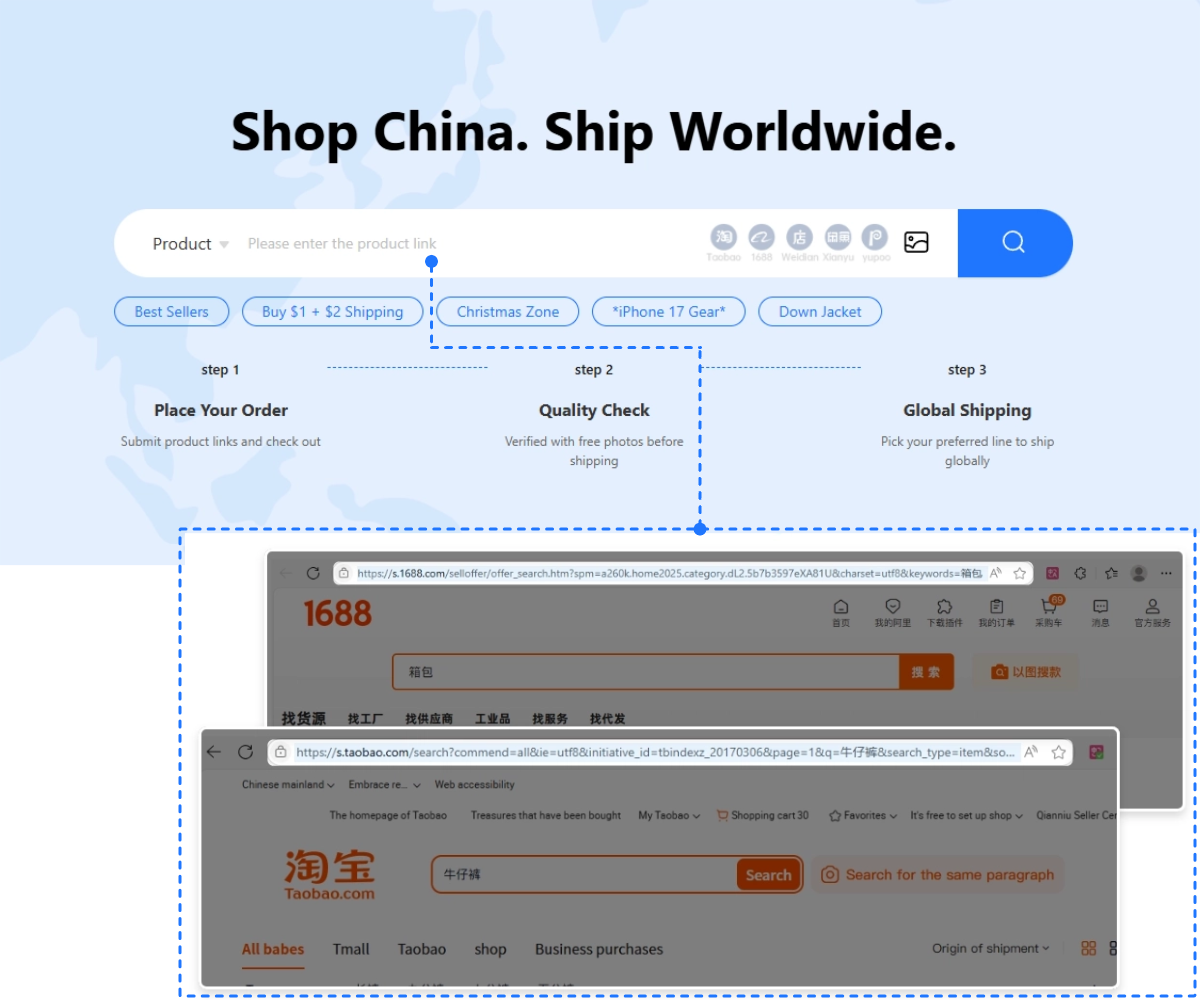
Mo Dao Zu Shi (魔道祖师, MDZS) is produced by Tencent Penguin Pictures and B.CMedia, and streams exclusively on Tencent Video. Its official goods are sold through the anime’s own store on Tmall, 魔道祖师动漫旗舰店 (the MDZS Anime Flagship Store) — badges run around ¥15 there as of September 2026 — plus licensed listings through bilibili’s mall. Both are ordinary Chinese storefronts: paste the product link into Fishgoo’s search box and it opens like anything else on Taobao or Tmall.
Heaven Official’s Blessing (天官赐福, TGCF) is produced by Haoliners Animation League and has streamed exclusively on bilibili since 2020, and its merch follows the platform: almost everything official goes through bilibili’s mall (会员购), bilibili’s own licensed-goods marketplace, with listings marked 官方首发版 (official first release) — acrylic charms from around ¥19, boxed sets up to about ¥179, as of September 2026. That matters for how you buy it: Fishgoo pastes links directly from Taobao, Tmall, 1688, Weidian and Xianyu, but bilibili’s mall isn’t one of the platforms its search box opens automatically. Send the buying team the listing and they can tell you whether they’re able to get it — free to ask, no promise either way.
Game merch splits the same way. Genshin Impact goods are sold by HoYoverse through its own global store, so most fans outside China do not need an agent at all; the exception is anything exclusive to miHoYo’s domestic Tmall store that never reaches the global shop. Love and Deepspace, from Papergames, sells internationally too, but its Chinese-market exclusives — collaboration drops and limited runs — go through the developer’s own Tmall store, 叠纸心意旗舰店, which works the same way as any other Tmall link.
Paste the Tmall, Taobao or Weidian link and see the official item’s price with QC photos included →
Telling an official item from a fan-made one
The fastest check is who is selling it. An official item comes from the rights holder’s own storefront: the anime’s Tmall flagship, the game’s own shop, or a bilibili mall listing marked 官方 (official) or 官方授权 (officially licensed). A handful of listing details back that up:
- 防伪 anti-counterfeit marks. Most official guzi ships with a small hologram or laser sticker on the packaging, sometimes with a QR code that checks in with the licensor. A missing sticker isn’t proof of anything by itself — fakes copy those too — but it’s the first thing collectors look for in listing photos.
- 官方授权 wording. “Officially licensed” or “official” in the shop name or listing title, ideally matching the studio or publisher’s own name rather than a generic fan-shop handle.
- Price. A badge or acrylic stand priced well under the official store’s price for the same design usually means the seller isn’t paying a license fee.
- “同款” or “周边定制.” These phrases mean “same style as” and “custom-made merch.” Sellers use them to describe reproductions without claiming to be the original — read them as a straightforward no.
Small independent shops on Weidian sell some licensed guzi too, particularly limited studio collaborations, but the storefront is easier to fake than a Tmall flagship. Vetting a Weidian shop before you pay matters more here than on a big platform store.
Pre-orders are normal for guzi
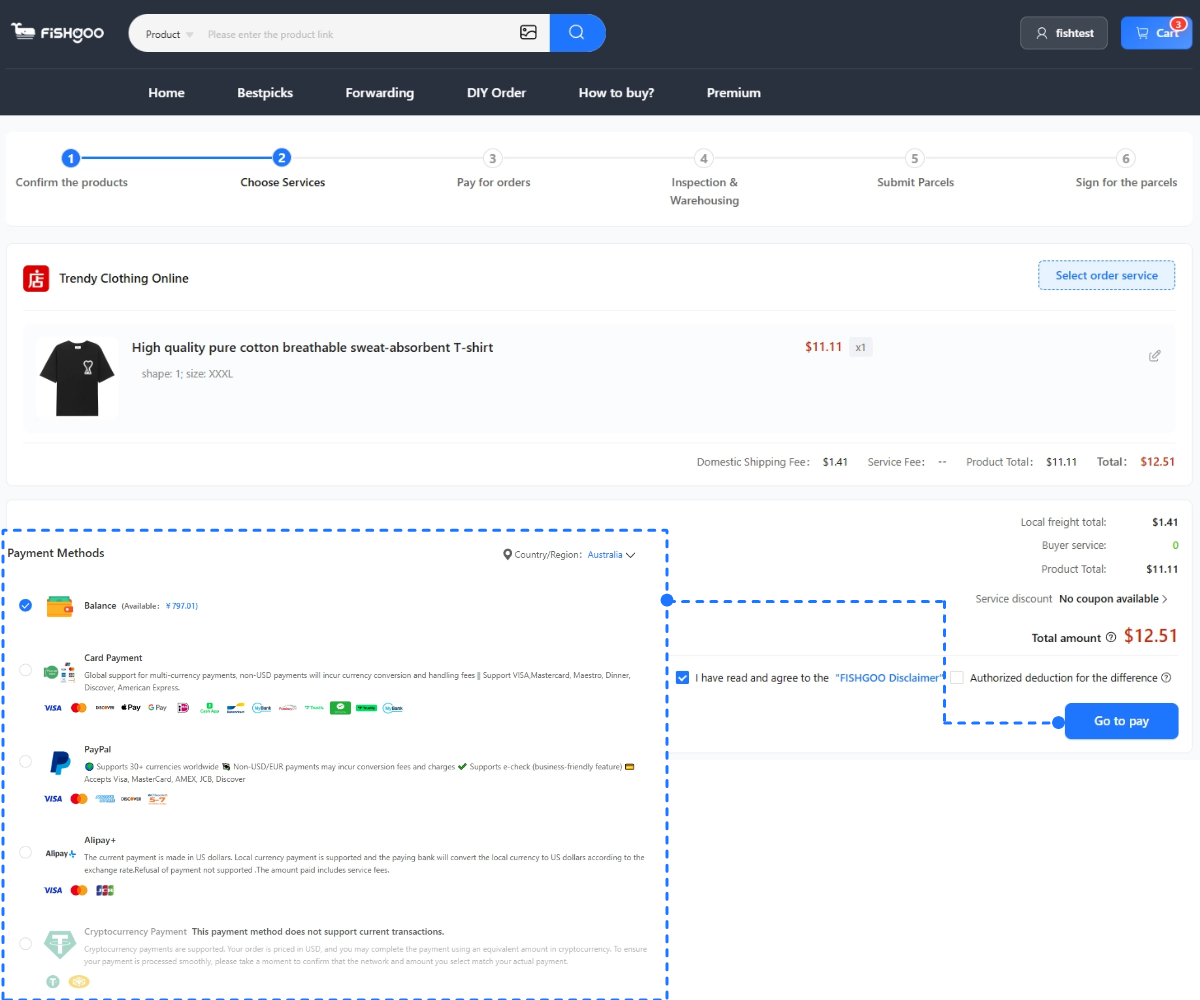
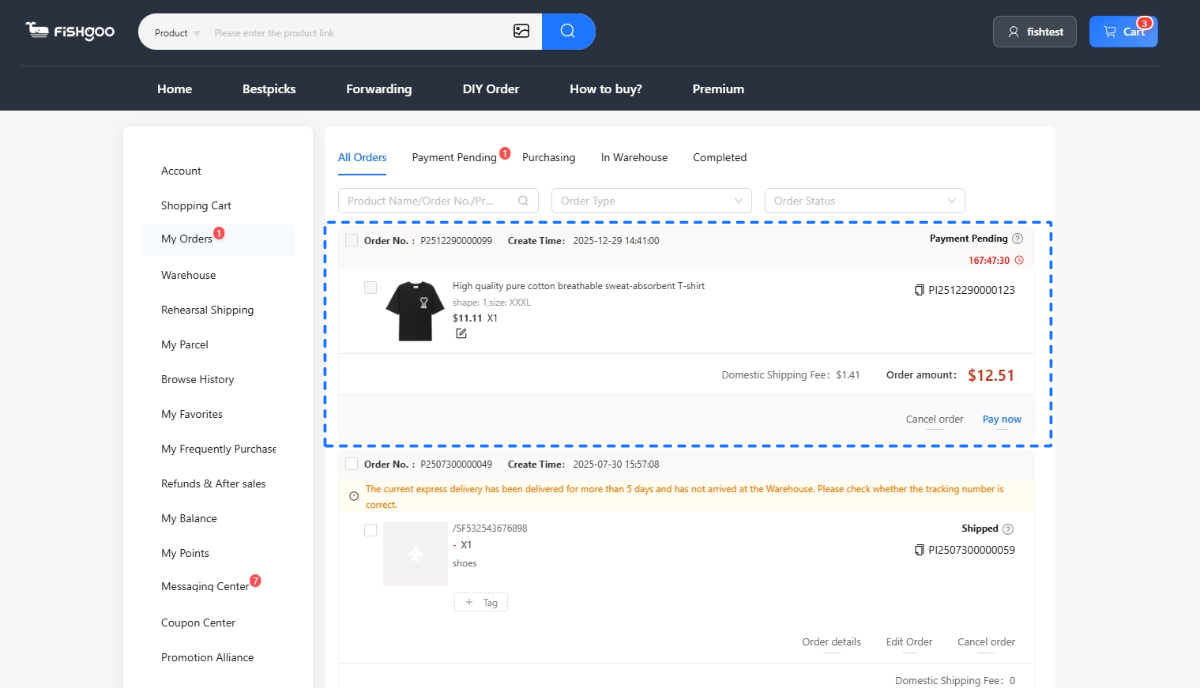
Popular designs often sell as a deposit pre-order (预售/定金): you pay a deposit while the run is open, then a balance once the seller has counted orders and gone into production, and the piece ships weeks later. It isn’t a sign anything is wrong with the listing — small creator studios use pre-orders so they only make as many as were actually ordered. Fishgoo’s buying team pays the deposit and the balance on your behalf and keeps the order open past the usual 14-day cutoff while it waits on the seller.
If the run has already sold out
Popular guzi sells out fast, sometimes within the pre-order window itself, and small studios rarely restock a finished run. Once that happens, the only route to an original piece is secondhand, usually on Xianyu (闲鱼), where collectors resell pieces they no longer want.
Secondhand comes with two real limits. Photos are the only authenticity check available before you buy, and a seller’s description of “sealed” or “unopened” cannot be confirmed until the item is in hand. And on Xianyu, as on any resale platform, most listings cannot be returned once bought — decide before you order, not after. Fishgoo can buy a Xianyu listing the same way it buys a Taobao one: paste the link, or the app’s share text, and it opens with its price.
Packaging matters more here than for most items
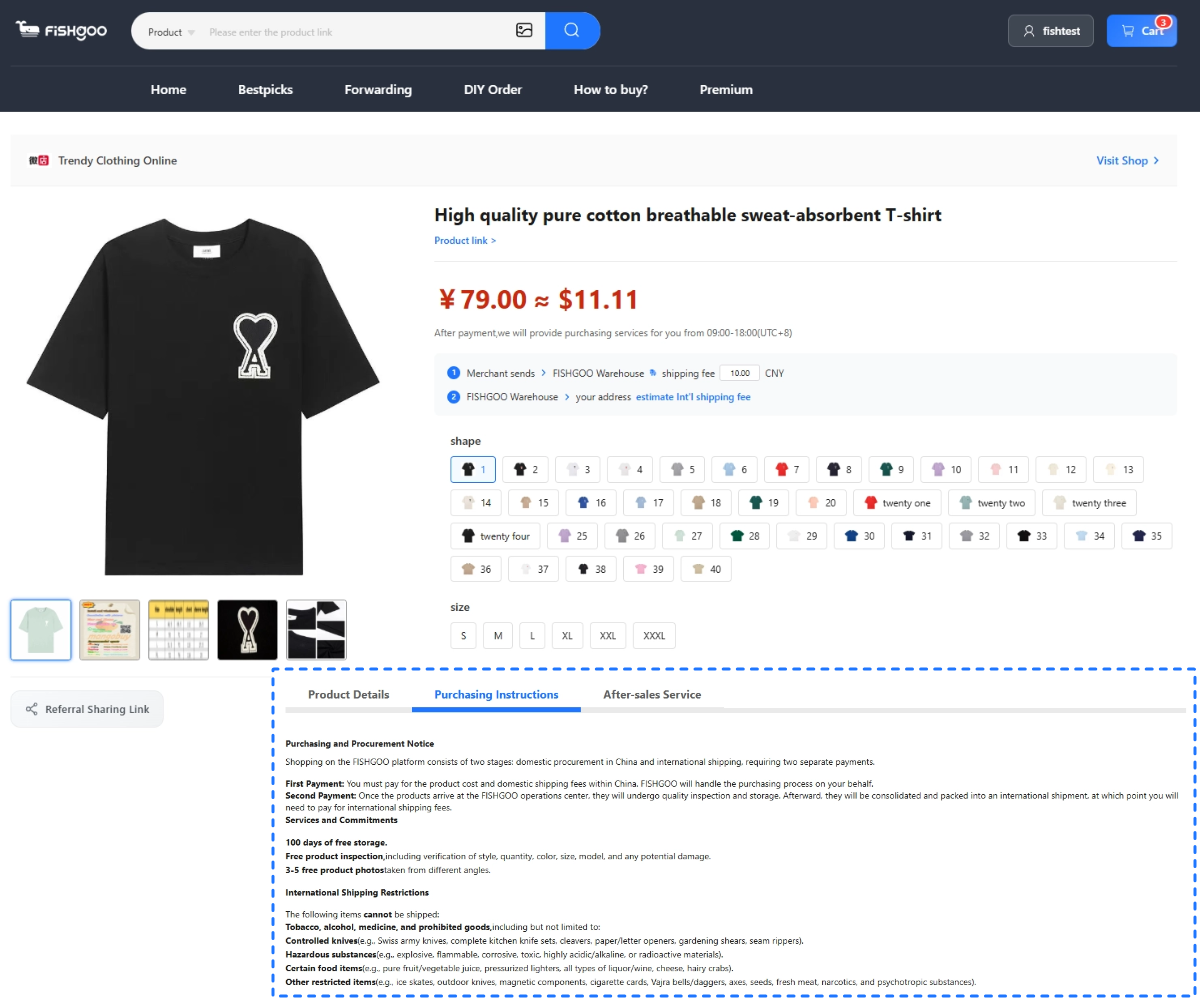
Collectors care about sealed packaging as much as the item itself: a shikishi with a bent corner or a badge out of its card sleeve loses most of its resale and display value, and an opened blind box or full case isn’t really a full case anymore. Say so in the order note — ask that packaging stay sealed and unopened — and the buying team will confirm what’s possible for that item before it ships. That isn’t a guarantee every box arrives factory-sealed; some sellers ship loose, and a note can’t change how the seller packed it, but it puts the request on record before anyone touches the parcel.
This covers blind boxes too: Fishgoo’s help center lists blind box toys among the items it ships, so a sealed 端盒 case or a blind-box keychain is not a special case, just a fragile one worth flagging.
FAQ
What does “guzi” mean?
谷子 (guzi) is fan slang for official merchandise tied to an anime, donghua (Chinese animation), manhua or game: badges, acrylic stands, plushies, cards and similar small collectibles. The word is a homonym built from the sound of “grain,” but it actually comes from the English word “goods,” by way of Japanese fan slang.
What is an itabag?
An itabag (痛包, tòngbāo) is a bag, usually a clear backpack or tote, covered in pins, badges and charms for a favorite character. The name borrows the Japanese word 痛い (itai, “painful”), used here to mean something so over-the-top it hurts to look at — affectionately.
Where can I buy official Mo Dao Zu Shi (MDZS) merch?
MDZS’s official goods are sold through the anime’s own store on Tmall, 魔道祖师动漫旗舰店, plus licensed listings on bilibili’s mall. Both are ordinary links you can paste into Fishgoo’s search box.
Where can I buy official Heaven Official’s Blessing (TGCF) merch?
Almost all of it is sold through bilibili’s mall (会员购), the platform’s own licensed-goods marketplace, rather than Taobao or Tmall. Bilibili’s mall isn’t one of the platforms Fishgoo’s search box opens automatically, so send the buying team the listing and ask; they can tell you whether they’re able to get it.
Do I need a shopping agent for Genshin Impact merch?
Usually not. HoYoverse runs its own global store for standard Genshin merch, which ships internationally on its own. An agent is only useful for something exclusive to miHoYo’s domestic Tmall store that the global shop never carries.
How can I tell if a guzi listing is official?
Check who’s selling it first: the anime’s own Tmall flagship or a bilibili mall listing marked 官方 (official) outranks any other signal. After that, look for a 防伪 anti-counterfeit sticker on the packaging, a price close to the official store’s, and listing titles without “同款” (same style as) or “周边定制” (custom-made), both of which mean the item is a reproduction.
What if the item I want has already sold out?
Look for it secondhand on Xianyu, where collectors resell pieces they no longer want. Photos are the only authenticity check available, and most secondhand listings cannot be returned, so it’s worth it for something you can’t get any other way and not much else.
Why do so many guzi drops require a deposit?
Small creator studios often run a deposit pre-order so they only produce as many pieces as were actually ordered, rather than guessing at demand. You pay a deposit while the pre-order is open and the balance once production starts; the item ships weeks after that.
Next steps
New to buying from Chinese platforms at all? Weidian agent covers how ordering from a small independent shop works end to end, and Is Weidian safe? is worth reading before you pay a deposit to a shop you haven’t used before. If a piece you want has already sold out, buying from Xianyu (Goofish) explains how secondhand orders work, and Is Goofish safe? covers the scams to watch for on a resale listing.


Start with one product, sample or restock task
Send the product link or description, approximate quantity and destination. Review the scope before any paid purchasing work begins.