Chinese Skincare Brands Worth Trying: 5 C-Beauty Brands Competing With K-Beauty at Half the Price
K-beauty gets all the hype. J-beauty has its dedicated following. But C-beauty — Chinese skincare brands — is the market that ingredient-conscious skincare enthusiasts are completely sleeping on. Not because the products are inferior. Because the brands don’t have English-language marketing teams targeting Western audiences. Their products sell to 900 million Chinese consumers who are, by virtually every metric, the most ingredient-literate skincare market on the planet. Chinese beauty consumers read INCI lists like nutritional labels. They cross-reference formulations on chemistry forums. They demand clinical data before they’ll trust a new active ingredient.
The brands that have survived and thrived in this hyper-informed market have done so by producing genuinely excellent formulations — not by winning on packaging or influencer marketing. And because they price for the Chinese domestic market (average income significantly below Western Europe or North America), their products cost 40-70% less than equivalent formulations from K-beauty or Western clinical brands.
I discovered C-beauty about a year ago through a French-Chinese friend who was bemused that I was paying €45 for a retinol serum from a Korean brand while she was getting a comparable (arguably better) formulation from a Chinese brand for ¥138 (€19). She showed me the ingredient lists side by side. Same retinol concentration. Same encapsulation technology. Same supporting ingredients (niacinamide, peptides, hyaluronic acid). Different price by a factor of 2.5x.
That comparison sent me down a rabbit hole. This article is what I found — five brands that deliver serious skincare science at prices that reflect Chinese domestic economics, not Western luxury markup.
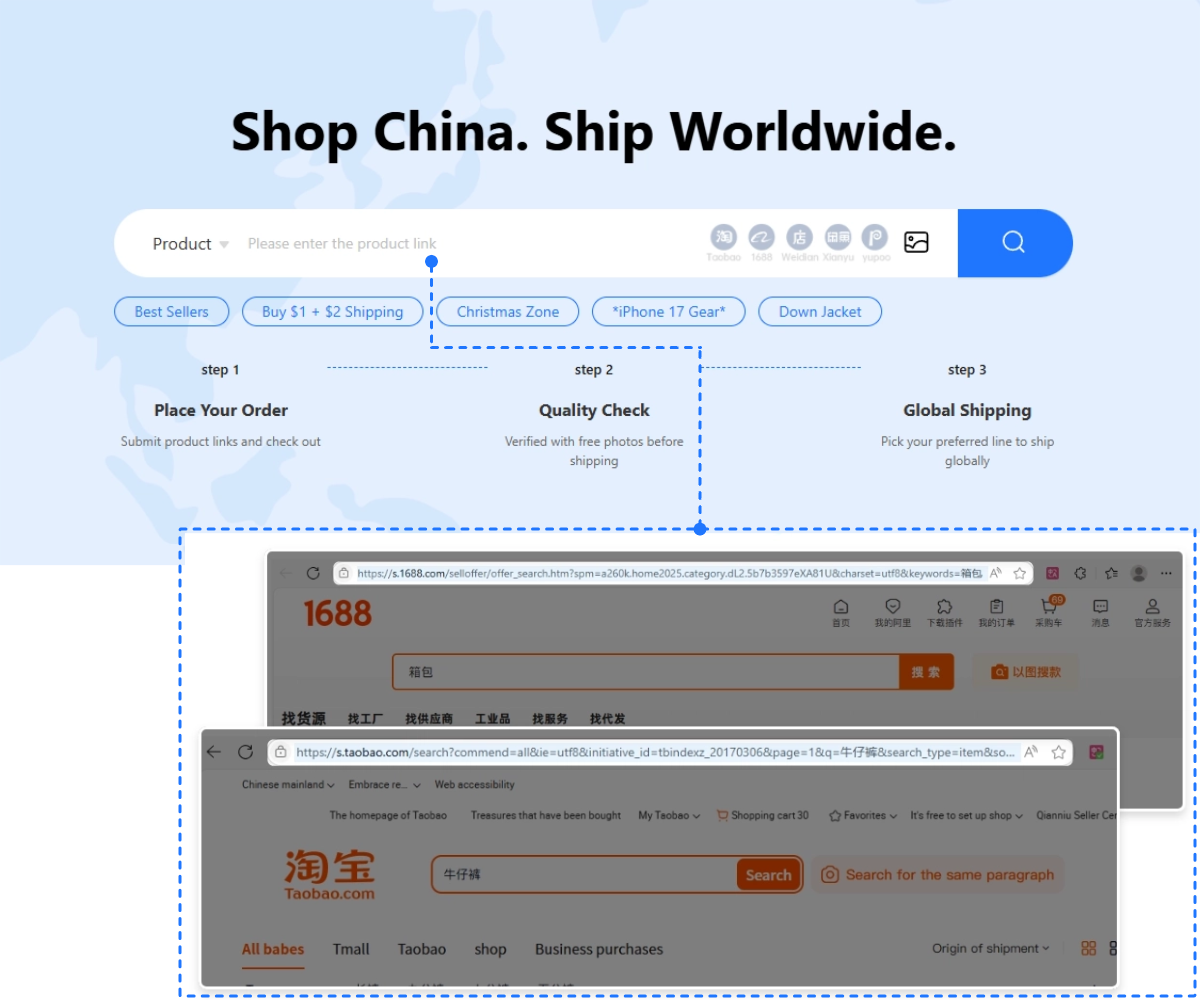
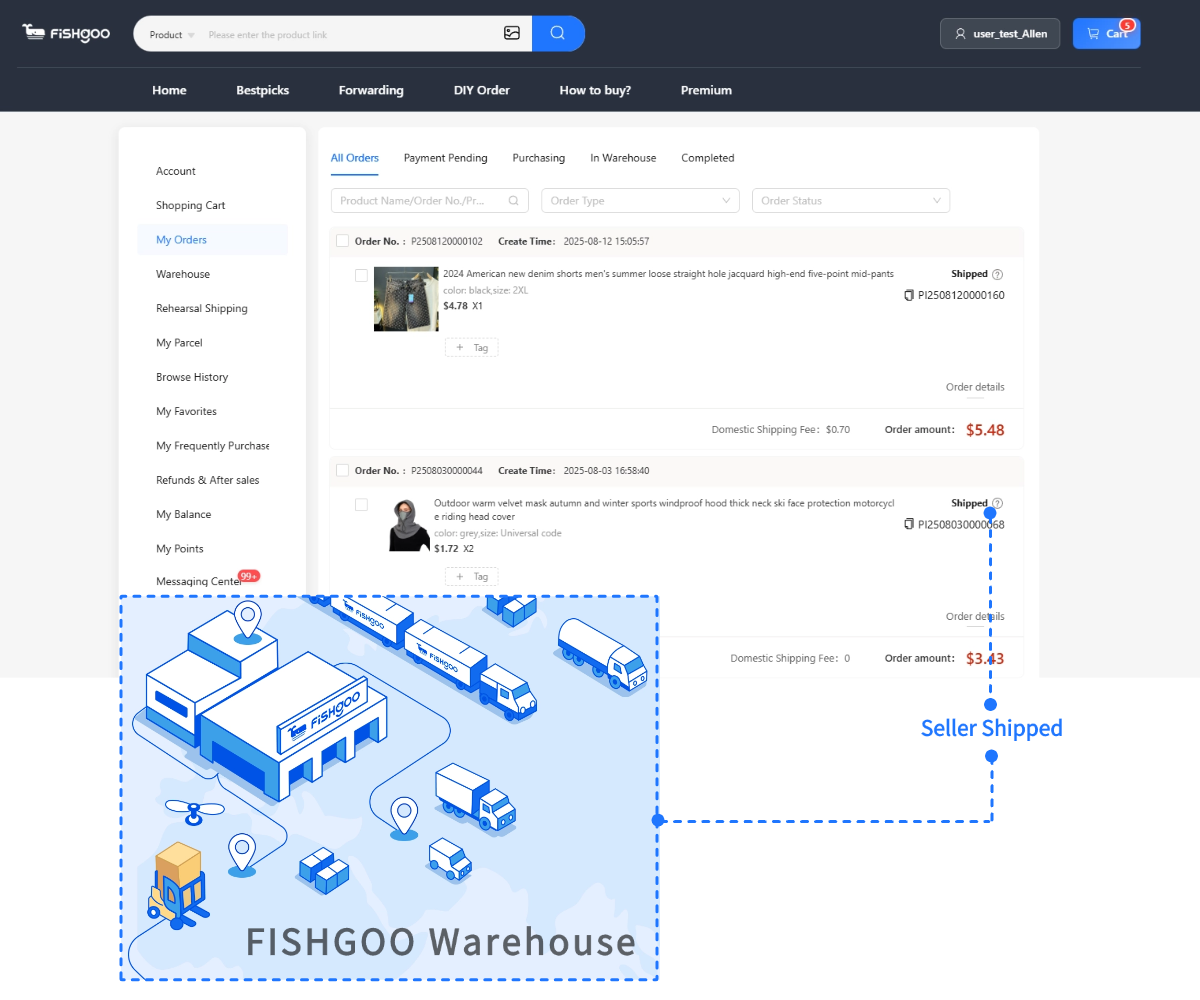
Critical distinction upfront: This article covers verified brands purchased exclusively through Tmall flagship stores (天猫旗舰店). These stores require brand authorization verified by Alibaba — the same authentication mechanism that Sephora uses to verify its brand portfolio. Through Fishgoo, Tmall links work identically to Taobao links — same dashboard, same zero service fee, same QC photos. Do not buy skincare from random Taobao marketplace sellers. The distinction matters enormously for product safety.
→ For skincare tools (not products): gua sha, rollers, and devices at 85-95% off
Why C-Beauty Is Having Its Moment
Three structural shifts are driving C-beauty’s rise:
1. R&D investment. Chinese skincare brands have poured billions into research partnerships with universities and hospitals. Winona collaborates with Kunming Medical University. Proya operates its own cosmetic chemistry lab with 200+ researchers. HBN was founded by a dermatologist with clinical trial methodology baked into product development. This isn’t marketing — these are brands where the science precedes the product launch, not the other way around.
2. Consumer sophistication. The Chinese beauty consumer is the world’s most demanding. Xiaohongshu (China’s Instagram-meets-review-platform) has millions of users who post detailed ingredient analyses, pH test results, and before-after documentation for new products. A brand that launches a subpar formulation gets dissected publicly within 48 hours. This evolutionary pressure produces better products than markets where consumers primarily judge by packaging and influencer recommendations.
3. Regulatory rigor. China’s NMPA (National Medical Products Administration) has tightened cosmetic regulations significantly since 2021, including mandatory efficacy testing, complete ingredient disclosure, and safety assessments that approach EU SCCS standards. The “wild west” reputation of Chinese cosmetics is a decade out of date — current regulatory requirements are rigorous.
5 Brands to Know
1. Winona (薇诺娜) — Sensitive Skin Specialist
Developed in partnership with Kunming Medical University. Clinically tested on sensitive and reactive skin populations. Winona occupies the space between dermatological skincare (La Roche-Posay, Avène) and clinical actives (SkinCeuticals) — at a fraction of the price of either.
Signature ingredient: Centella asiatica extract (Asian pennywort), standardized at high concentration. China’s Yunnan province is the primary global source for centella — Winona has direct supply chain control that European brands can’t match.
Hero product: Soothing and Moisturizing Special Cream — ¥128 (€18) for 50ml on Tmall. Designed for compromised barrier repair, redness reduction, and post-procedure skin calming.
Western equivalent: Dr. Jart+ Cicapair Tiger Grass Cream — €35-45 for 50ml. Same centella-based approach, similar clinical positioning, 2x the price.
Who should try it: Anyone with sensitive, reactive, or rosacea-prone skin who’s currently paying €30-50 for centella-based products. Winona delivers comparable soothing efficacy at half the cost with the backing of university-level clinical testing.
2. Proya (珀莱雅) — Active Ingredients at Scale
China’s largest domestic skincare company by revenue. Proya’s research division employs over 200 cosmetic chemists and invests roughly 3% of revenue into R&D (comparable to Estée Lauder’s R&D spend ratio). Their retinol and niacinamide lines deliver pharmaceutical-grade actives at drugstore-adjacent prices.
Hero product: Double Anti-Aging Essence (retinol + six peptides) — ¥189 (€26) for 30ml. Uses encapsulated retinol for reduced irritation with high efficacy. The peptide complex (including Matrixyl 3000 equivalent) targets expression lines.
Western equivalent: Drunk Elephant A-Passioni Retinol Cream — €72 for 30ml. Similar retinol concentration and supporting peptide complex. Proya at €26 delivers roughly the same active ingredient payload.
Who should try it: Anti-aging seekers currently paying €50-90 for retinol serums. Proya’s encapsulation technology makes their retinol gentler than many Western alternatives at equivalent concentrations.
3. HBN — Retinol Authority
Founded by a dermatologist, HBN built its entire brand identity on retinol science. Their proprietary encapsulation technology (called “dual-delivery retinol” in their marketing) releases retinol gradually over 8-12 hours, reducing the irritation spike that causes most retinol intolerance.
Hero product: Retinol Anti-Wrinkle Serum — ¥159 (€22) for 30ml. Consistently ranked top-5 in Tmall’s skincare anti-aging charts.
Western equivalent: SkinCeuticals Retinol 0.5 — €65-80 for 30ml. Both use stabilized retinol with controlled-release technology. HBN at €22 represents a 70-73% price reduction for comparable science.
Who should try it: Retinol enthusiasts who’ve experienced irritation with other brands. The gradual release makes HBN’s formula more tolerable than immediate-release alternatives, even at higher concentrations.
4. CHANDO (自然堂) — Himalayan Botanical Innovation
Uses proprietary botanical extracts from the Tibetan Plateau and Himalayan region — a genuinely unique ingredient source that no K-beauty or Western brand replicates. Their snow lotus, glacial mineral water, and high-altitude plant extracts offer differentiated formulations rather than just cheaper versions of existing products.
Hero product: Snow Lotus Brightening Serum — ¥139 (€19) for 30ml. Snow lotus extract (Saussurea involucrata) has documented antioxidant and skin-brightening properties in Chinese pharmacological research.
Western equivalent: No direct equivalent — CHANDO’s ingredient source is genuinely unique. The closest positioning is Sulwhasoo’s ginseng line (Korean, €60-120) or Fresh’s botanical serums (€50-80), but the specific botanicals differ.
Who should try it: Skincare enthusiasts interested in novel ingredients beyond the standard retinol/vitamin C/niacinamide rotation. CHANDO offers something genuinely different, not just a cheaper copy of an existing formulation.
5. Florasis (花西子) — Heritage Meets Modern Science
The most visually distinctive brand in C-beauty — their packaging draws from Chinese porcelain, embroidery, and traditional craft aesthetics. But Florasis isn’t just packaging: their formulations incorporate traditional Chinese herbal medicine (TCM) ingredients — peony extract, lotus seed, ginseng, licorice root — validated through modern cosmetic chemistry.
Hero product: Loose Setting Powder with Peony Extract — ¥149 (€21). Contains skincare-active botanical ingredients in a makeup product — the powder sets makeup while delivering antioxidant benefits from the peony extract. It’s the C-beauty concept of “skincare-first makeup.”
Western equivalent: Charlotte Tilbury Airbrush Flawless Finish Powder — €45. Both are finely milled setting powders with skin-benefit claims. Florasis at €21 versus €45, with arguably more interesting active ingredients.
Who should try it: Makeup users who appreciate “skincare-first” products and want to explore TCM-inspired formulations. Also: anyone who appreciates beautiful packaging — Florasis products are display-worthy objects.
C-Beauty vs K-Beauty vs Western: Complete Price Comparison
| Product category | C-Beauty (Tmall price) | K-Beauty (Olive Young / Sephora) | Western clinical (Sephora / dermatologist) |
|---|---|---|---|
| Retinol serum (30ml) | €18-26 | €25-40 | €50-90 |
| Vitamin C serum (30ml) | €12-20 | €18-30 | €35-70 |
| Centella / cica cream (50ml) | €15-22 | €25-40 | €35-50 |
| Sunscreen SPF50+ (50ml) | €8-15 | €12-22 | €20-40 |
| Niacinamide toner (200ml) | €10-18 | €15-25 | €25-40 |
| Hyaluronic acid serum (30ml) | €8-15 | €15-25 | €30-60 |
| Eye cream (15ml) | €12-22 | €20-35 | €40-80 |
| Setting powder (10g) | €15-22 | €18-30 | €35-50 |
C-beauty consistently underprices K-beauty by 30-50% and Western clinical by 50-70% for equivalent active ingredient concentrations and clinical positioning. The gap exists because Chinese brands price for a domestic market of 900 million consumers at Chinese purchasing power — the same structural advantage that makes all Chinese platform shopping cheaper than international alternatives.
→ 9 tactics to save even more across all categories
How to Buy Safely: The Tmall Flagship Store Rule
This cannot be overstated: buy skincare from Tmall flagship stores (天猫旗舰店) only, never from random Taobao marketplace sellers.
The distinction:
| Tmall Flagship Store | Random Taobao Seller | |
|---|---|---|
| Brand authorization | Verified by Alibaba | None required |
| Product authenticity | Guaranteed genuine | Unknown |
| Expiry management | Systematic, within date | May sell expired stock |
| Returns | Brand-backed return policy | Seller-dependent |
| Price premium vs marketplace | 10-20% higher | Cheapest listings |
| Risk level | Minimal (Sephora-equivalent) | High for skincare |
The 10-20% price premium for Tmall flagship is the insurance premium for knowing what you’re putting on your face. On a €20 product, that’s €2-4 extra for authenticity assurance. This is not the category where you chase the absolute lowest price.
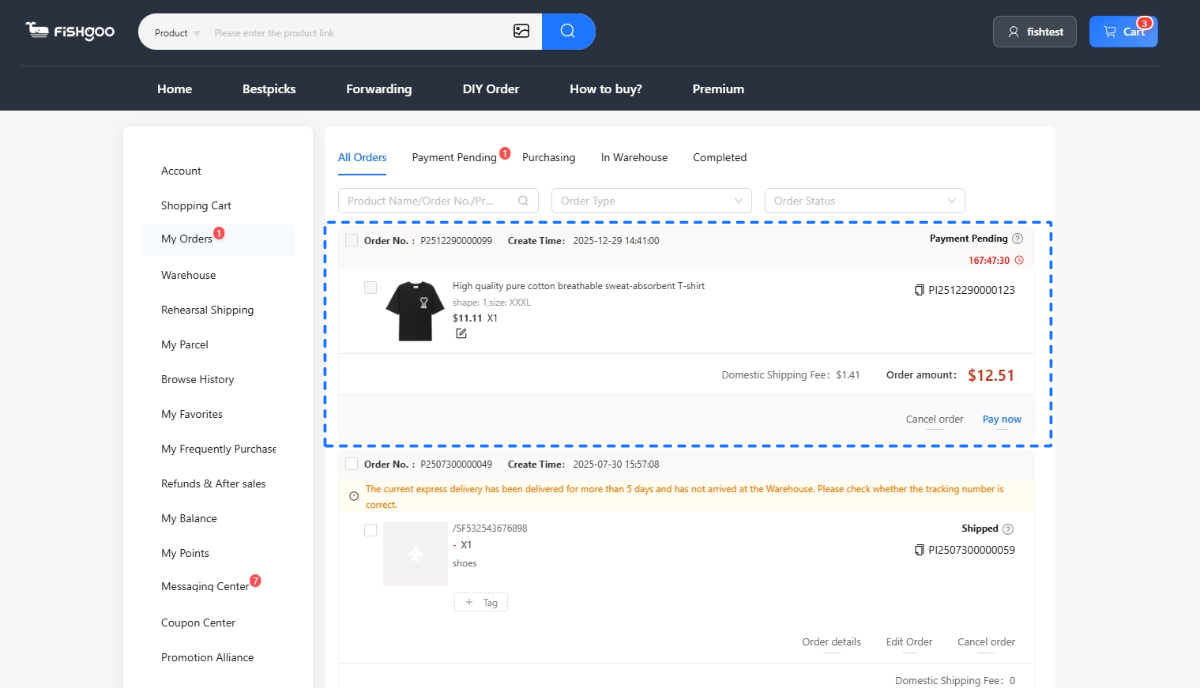
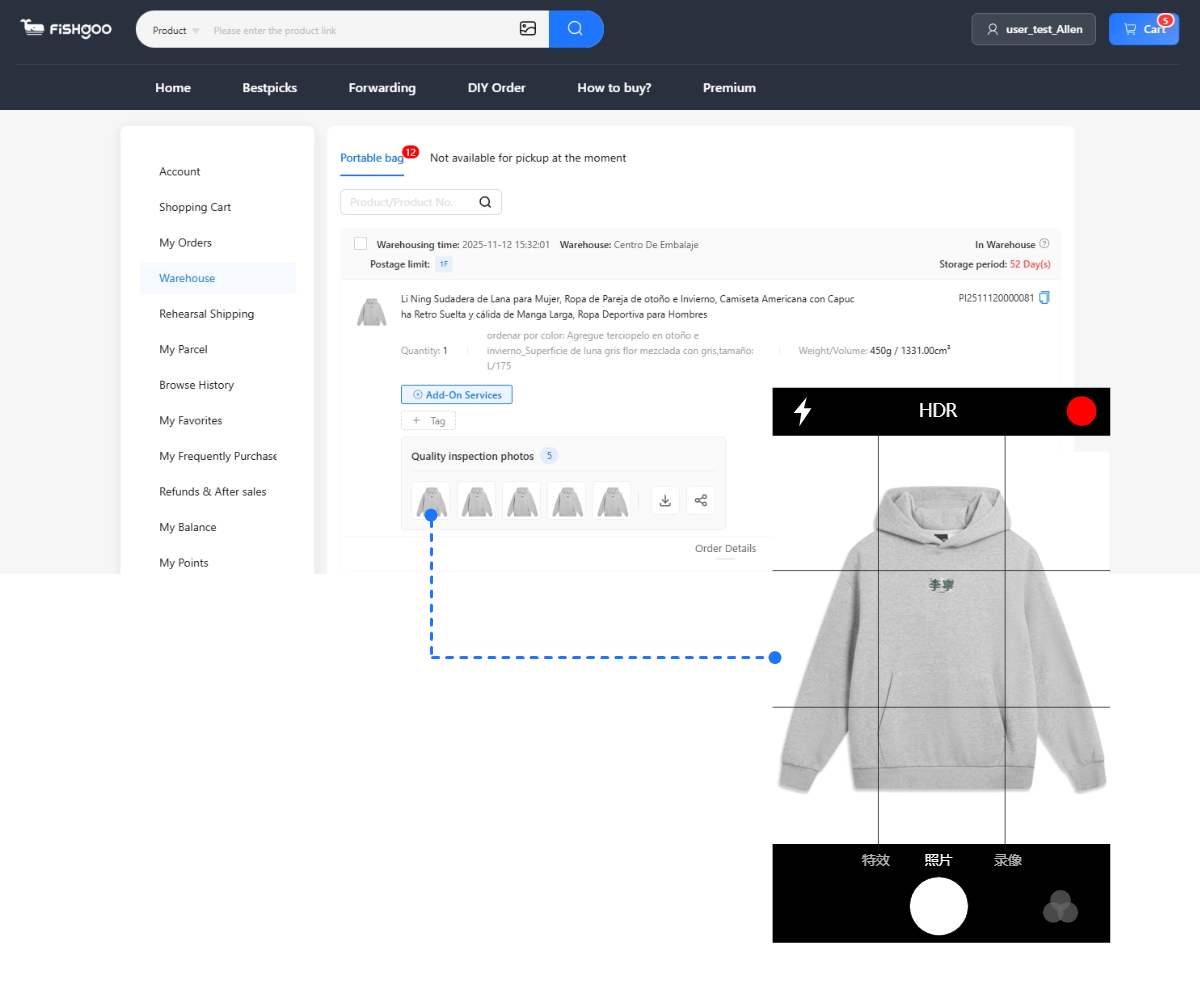
Through Fishgoo: Paste the Tmall flagship store URL → same zero-fee checkout as regular Taobao → QC photos verify sealed packaging, holographic authenticity stickers, and expiry dates → ship with confidence through tax-free shipping.
→ Why unbranded skincare is on the “don’t buy” list
Ingredient Verification: Reading Chinese INCI Lists
Tmall flagship listings include full ingredient lists (成分表) in Chinese INCI format. Here’s how to decode them without reading Chinese:
Method 1: Google Translate camera mode. Point your phone camera at the QC photo showing the ingredient list. The translation is rough but captures the key actives — “视黄醇” (retinol), “烟酰胺” (niacinamide), “透明质酸” (hyaluronic acid), “维生素C” (vitamin C).
Method 2: CosDNA and INCI Decoder. These websites accept Chinese ingredient names and return full ingredient analysis with safety ratings, irritation potential, and function classification. Copy the Chinese text from the Tmall listing and paste it in.
Method 3: Xiaohongshu reviews. Search the product name on Xiaohongshu (小红书) — Chinese users post detailed ingredient analyses with pH measurements, concentration estimates, and texture reviews. Google Translate handles these posts adequately for getting the key information.
For the five brands recommended in this article, independent ingredient analyses have been published on English-language skincare forums (r/AsianBeauty, r/SkincareAddiction) confirming the active ingredient claims.
→ Using Chinese platforms without reading Chinese
Shipping Skincare Products
Skincare products ship well internationally with a few considerations:
Liquids are fine. Serums, toners, and creams in sealed containers pass through international shipping without issues. Most skincare products are under 100ml per container — well within carrier limits.
Glass packaging adds weight. Serum bottles (glass dropper) weigh 150-300g each including product. Factor this into your haul weight calculation. A 3-product skincare order might add 500-800g.
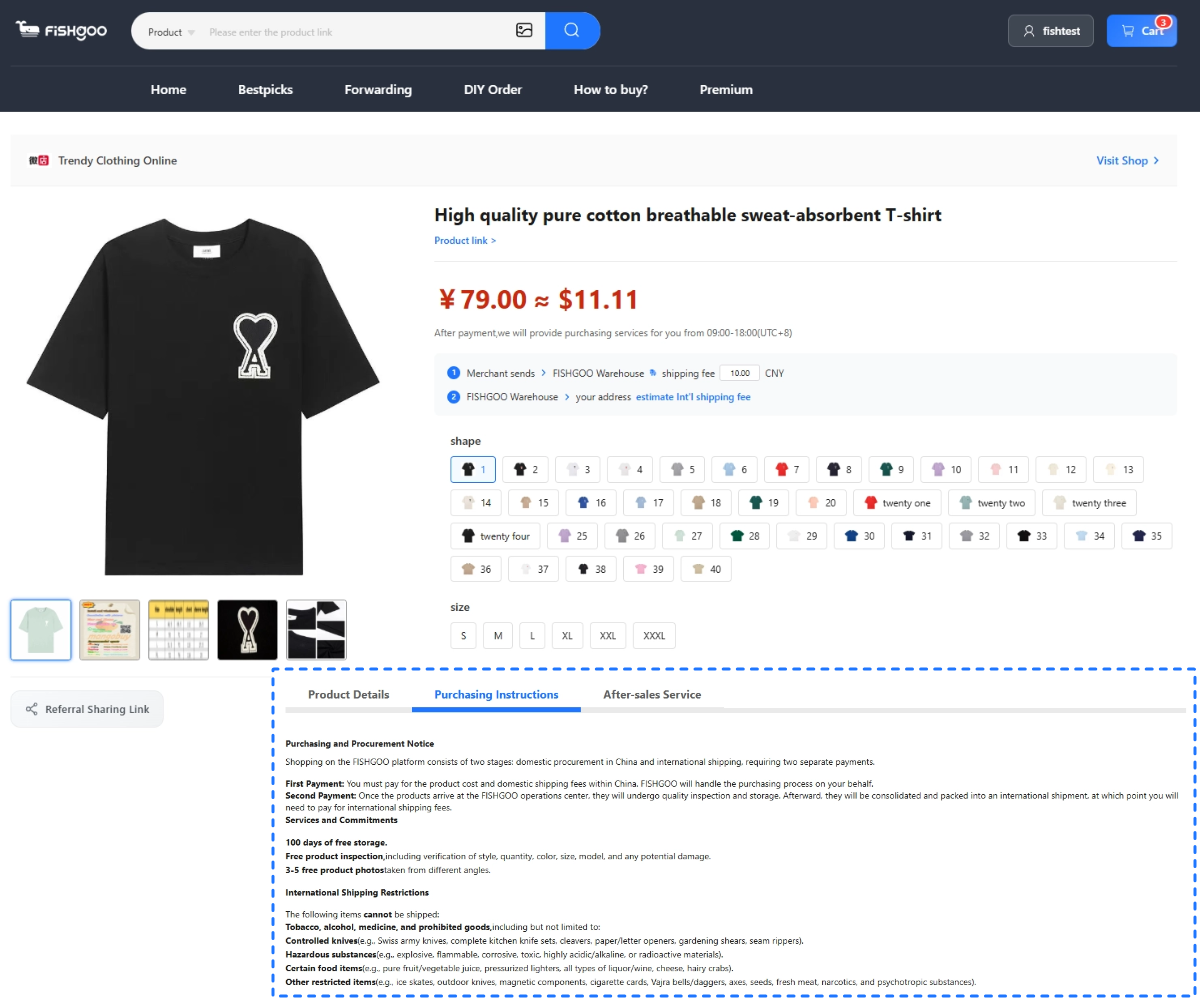
Request sealed packaging verification in QC. Ask in your order notes: “Please verify product is factory sealed and check expiry date.” The QC photo should show an intact seal and a date that’s 12+ months out.
Customs classification. Skincare products classified as “cosmétiques” in France or “Kosmetik” in Germany don’t trigger special inspection when shipped via tax-free lines (taxes-included: import charges are prepaid in the route price) in personal-use quantities (1-3 of each product). Bulk quantities (10+ identical units) may be flagged as commercial import.
My C-Beauty Routine: Monthly Cost vs Previous Routine
| Step | C-Beauty product (Tmall) | Monthly cost (30-day supply) | Previous product | Previous monthly cost |
|---|---|---|---|---|
| Cleanser | Winona Gentle Foam (150ml, ¥89) | €4/month | La Roche-Posay Toleriane (€14/150ml) | €7/month |
| Toner | Proya Niacinamide Toner (200ml, ¥109) | €3/month | Paula’s Choice BHA (€32/118ml) | €8/month |
| Serum (AM) | CHANDO Vitamin C (30ml, ¥119) | €5.50/month | Drunk Elephant C-Firma (€82/30ml) | €27/month |
| Serum (PM) | HBN Retinol (30ml, ¥159) | €7.30/month | SkinCeuticals Retinol (€65/30ml) | €22/month |
| Moisturizer | Winona Barrier Cream (50ml, ¥128) | €6/month | Dr. Jart+ Cicapair (€38/50ml) | €13/month |
| Monthly total | €25.80 | €77 | ||
| Annual total | €310 | €924 |
€310/year versus €924/year for a complete skincare routine. Annual savings: €614. And the C-beauty routine is not a downgrade — if anything, the retinol (HBN’s encapsulation) causes less irritation than the SkinCeuticals I was using, and the Winona moisturizer calms my redness-prone skin more effectively than the Dr. Jart+.
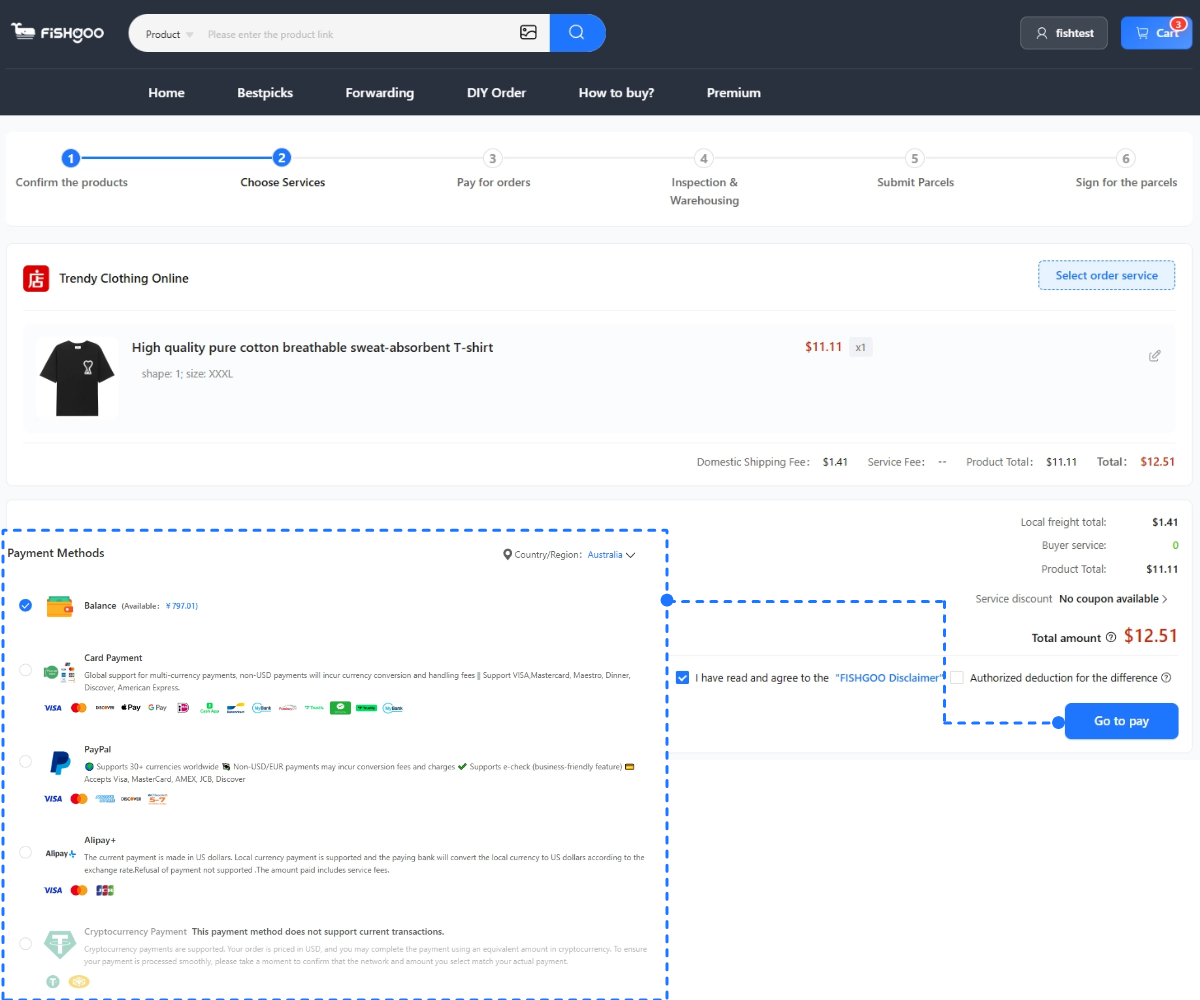
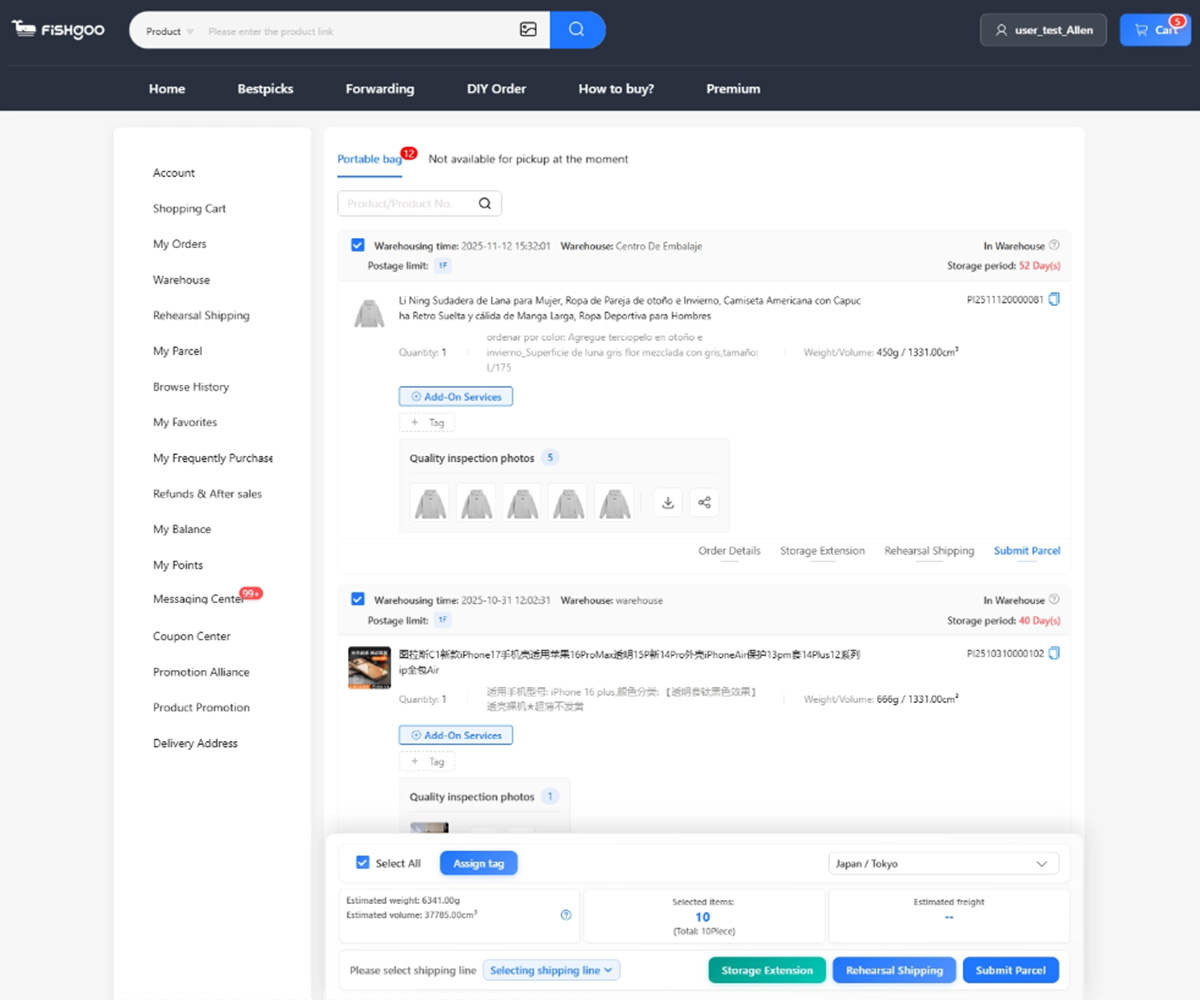
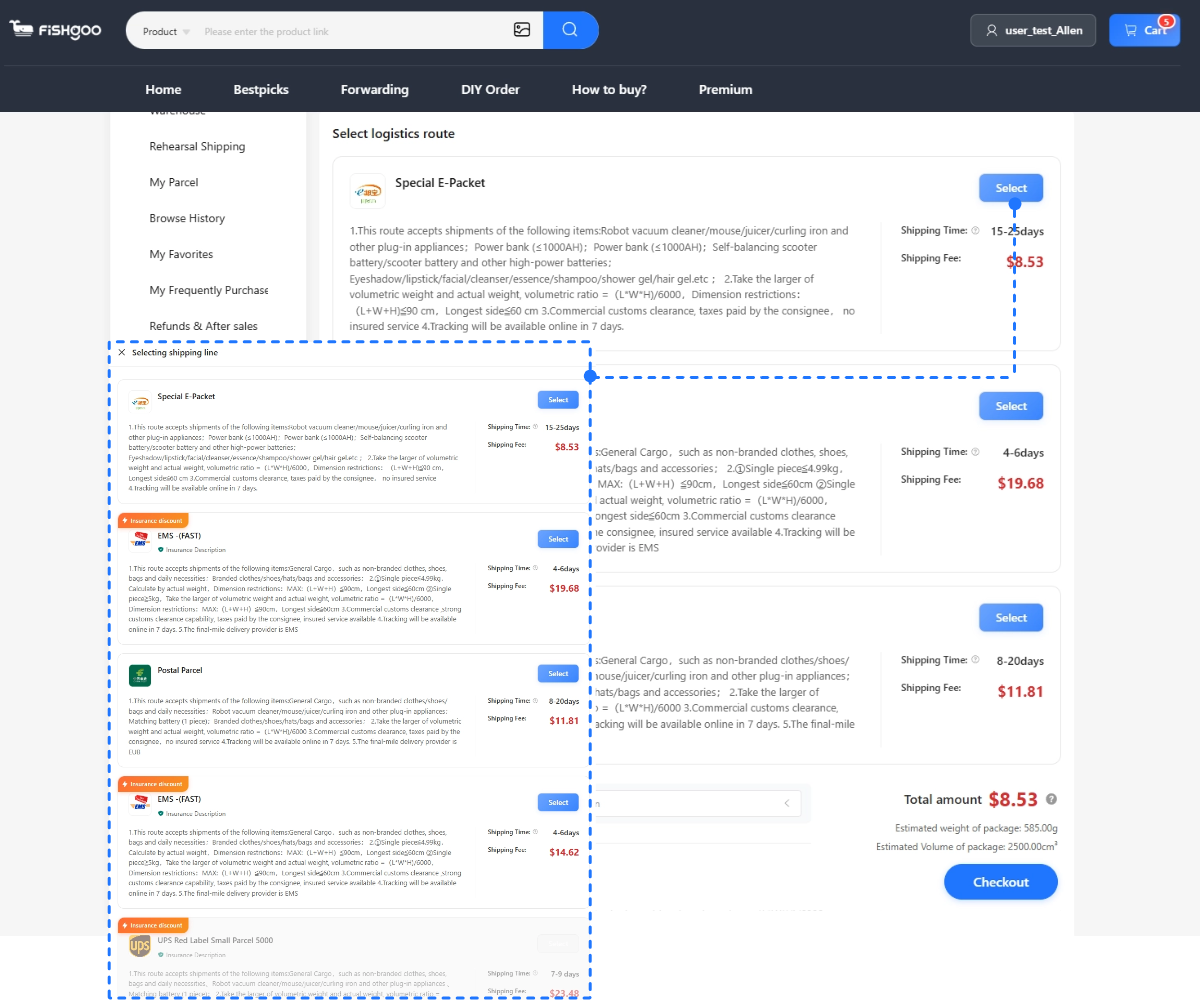
These products ship through Fishgoo from Tmall flagship stores with zero service fee. I order a 3-month supply every quarter — 5 products in one consolidated haul, usually alongside clothing and accessories. The skincare products add maybe 1-1.5kg and €6-8 in shipping.
Cruelty-Free and Sustainability Status
An important consideration for many international buyers: China removed the mandatory animal testing requirement for domestically manufactured cosmetics in 2021. This means:
- Newer brands (HBN, Florasis): Generally cruelty-free from inception — they launched after the regulatory change.
- Established brands (Proya, Winona, CHANDO): May have historical animal testing data from pre-2021 requirements. Current production for domestic sale does not require animal testing. However, some brands continue testing for specific claims or for export to markets that require it.
- Leaping Bunny / PETA certification: Most C-beauty brands have not sought Western cruelty-free certifications (the application process is Western-facing and most Chinese brands don’t prioritize international certification). The absence of certification doesn’t necessarily indicate testing — it indicates the brand hasn’t applied to Western certification bodies.
For buyers for whom cruelty-free status is a strict requirement: check individual brand statements on their Tmall flagship pages. The information is increasingly available as Chinese brands become aware of international consumer expectations.
Search Terms for C-Beauty on Taobao/Tmall
| Brand | Tmall search term | Notes |
|---|---|---|
| Winona | 薇诺娜旗舰店 | “旗舰店” = flagship store |
| Proya | 珀莱雅旗舰店 | Largest C-beauty brand by revenue |
| HBN | HBN旗舰店 | English brand name used in Chinese market |
| CHANDO | 自然堂旗舰店 | Himalayan botanical specialist |
| Florasis | 花西子旗舰店 | Also known for makeup products |
| Any brand + retinol | [品牌名] 视黄醇 精华 | “视黄醇” = retinol, “精华” = essence/serum |
| Any brand + vitamin C | [品牌名] 维C 精华 | Use “维C” as shorthand for vitamin C |
| Any brand + sunscreen | [品牌名] 防晒霜 | “防晒霜” = sunscreen |
Always search with “旗舰店” (flagship store) included to filter for authorized Tmall stores only. Paste the Tmall URL into Fishgoo‘s search bar — the checkout process is identical to regular Taobao purchases.
→ All search methods for Chinese platforms
FAQ
-
Are Chinese skincare ingredients safe?
From NMPA-regulated brands on Tmall flagship stores — yes. China’s 2021 regulatory overhaul brought cosmetic ingredient safety requirements in line with EU SCCS standards. Major brands undergo clinical safety testing, full INCI disclosure, and adverse event reporting requirements. The risk is from unregulated marketplace sellers, not from established brands.
-
Can I find ingredient lists in English?
Tmall listings show Chinese INCI lists. Use Google Translate’s camera mode on QC photos of packaging, or paste Chinese ingredient names into CosDNA or INCI Decoder for full English analysis. The English-language r/AsianBeauty subreddit has analyzed most popular C-beauty products in detail.
-
Is C-beauty cruelty-free?
China removed mandatory animal testing for domestic cosmetics in 2021. Newer brands (post-2021) are generally cruelty-free. Established brands may have historical testing data. Check individual brand policies on their Tmall pages — cruelty-free information is increasingly disclosed as brands target international consumers.
-
How do I know the products are genuine from Tmall?
Tmall flagship stores require brand authorization — verified by Alibaba’s compliance team. Products include holographic authenticity stickers, sealed packaging, and batch-traceable expiry dates. Through Fishgoo’s QC photos, you can verify all three before international shipping. This is the same authentication level as buying from Sephora.com.
-
Will C-beauty products interact with my current routine?
Same rules as any skincare: introduce one new product at a time, wait 2 weeks between introductions, and patch-test new actives (retinol, vitamin C, AHAs) on inner forearm before facial application. C-beauty formulations follow the same cosmetic chemistry as Western products — no unique interaction risks from the geographic origin.
→ Try C-beauty through Fishgoo — Tmall access, zero fee, sealed packaging verified
→ Skincare tools (gua sha, rollers, LED devices)


Start with one product, sample or restock task
Send the product link or description, approximate quantity and destination. Review the scope before any paid purchasing work begins.