Where to Buy Hanfu: The Original-Design Shops on Taobao (2026)
Most original-design hanfu houses sell through their own Taobao or Tmall store, not the shops on Google's first page. Seven houses worth knowing, how to tell an original from a copy, and how to…
Almost every original-design hanfu (汉服, traditional Han Chinese clothing) brand sells through its own store on Taobao or Tmall, priced in yuan, for Chinese buyers — not through a Western boutique. The shops that show up first for “where to buy hanfu” stock a curated, marked-up slice of a handful of brands’ catalogs. Buying from a brand’s own Chinese store instead gets you its full current collection at the domestic price, once you know how to tell an original studio from a copy.
This guide covers seven original-design houses and what each is known for, the words on a listing that tell you the dynasty style and the size, how pre-orders and deposits work, and how to actually buy through a shopping agent once you don’t have a Chinese address, a Taobao account, or a way to read the listing.
Original design (原创) versus copies (山寨)
The hanfu community argues about this constantly, and the vocabulary is worth knowing before you shop. A shop is 原创 (yuánchuàng, original design) when its own studio drew the pattern and worked out the embroidery. A 山寨 (shānzhài, knockoff) shop copies another studio’s 纹样 (embroidery pattern) and 版型 (pattern-cutting) and sells it cheaper, usually without crediting whoever actually designed it. The community’s shorthand for the whole question — is this piece a copy or the real thing — is 山正 (shān zhèng, literally “copy-or-genuine”); ask in a hanfu forum whether something is “山还是正” and people know exactly what you mean. Fan-run sites keep running lists of confirmed knockoff shops, and it matters for more than fairness to the designer: a copied piece skips the pattern-testing and fabric sourcing the original studio already paid for, so the fit and finish are often worse too.
Every shop below is original-design, checked against its own storefront. None of them is the cheapest mamianqun on Taobao. They are the studios that actually designed what they sell.
Seven original-design houses, and what each is known for
Prices below are what each shop’s Taobao or Tmall store was listing in September 2026; expect normal in-season movement. A pre-order’s price is usually fixed for the run regardless of when you order within it, but in-stock pieces and accessories are worth watching around Taobao’s big sale dates if you’re not in a hurry.
| Brand | Style focus | Typical price (CNY) | Known for |
|---|---|---|---|
| 重回汉唐 ChóngHuí HànTáng | Tang, Song and Ming styles across a broad catalog | ¥69–590 | One of the largest original-design houses, with an official flagship store; everyday pieces through to full wedding sets |
| 汉尚华莲 HànShàng HuáLián | Tang-inspired daily wear and heavily embroidered wedding sets | ¥300–2,900 | A long-running house — its store marked 15 years of business in its 2026 campaigns — strong on formal and wedding pieces |
| 十三余 Shísān Yú | Tang and Ming styles, especially mamianqun, under its 小豆蔻儿 sub-line | ¥210–2,300 | One of the best-known mamianqun lines, with detailed embroidery work |
| 花朝记 Huā Zhāo Jì | Tang and Ming styles, plus accessories | ¥10–300 | The budget entry point on this list — ribbons and small accessories from under ¥10 |
| 如梦霓裳 Rú Mèng NíCháng | Accessories, shoes and underlayers across styles, including some Jin-dynasty (晋制) pieces | ¥66–330 | Embroidered shoes, boots and the 中衣 underlayer — useful once you already own an outer piece |
| 钟灵记 ZhōngLíngJì | Ming-dynasty mamianqun specifically | ¥330–400 | A Chengdu house built around one silhouette rather than a broad catalog |
One well-known name isn’t in that table: 明华堂 (MíngHuáTáng), a Guangzhou studio founded in 2007 by designer Zhong Yi and one of the oldest hanfu houses still operating. It doesn’t run a standard Taobao or Tmall storefront — it takes custom orders through its own site, and the queue is long: its order page quoted a production lead time to the end of April 2027 as of September 2026. That’s the extreme end of what “made to order” means in this category, and it’s also why it isn’t in the table above: without a Taobao or Tmall listing, it’s outside what a shopping agent can paste a link to and buy.
Reading the listing: the words that matter
| On the listing | Pinyin | What it means |
|---|---|---|
| 明制 | míngzhì | Ming-dynasty style (1368–1644) — the mamianqun most people picture first |
| 马面裙 | mǎmiànqún | “Horse-face skirt,” the pleated wrap skirt with flat overlapping front and back panels; one of the most popular hanfu styles right now |
| 袄裙 | ǎoqún | A short upper jacket (袄) worn over a skirt (裙); the everyday Ming-style pairing |
| 宋制 | sòngzhì | Song-dynasty style (960–1279) — narrower and more layered, less embroidery than Ming pieces |
| 唐制 | tángzhì | Tang-dynasty style (618–907) — higher waistline, wider sleeves |
| 齐胸襦裙 | qí xiōng rú qún | A Tang-style skirt tied above the bust, worn with a short jacket (襦) over it |
| 魏晋风 | wèijìn fēng | “Wei-Jin style” — loose, flowing pieces associated with the Wei-Jin period (220–420); more a photography-friendly aesthetic than a strict reconstruction, and some in the community will say so |
| 汉元素 | hàn yuánsù | “Han elements” — modern clothing that borrows a hanfu silhouette or detail without following one dynasty’s construction |
| 日常款 | rìcháng kuǎn | “Daily style” — cut for washing and moving in, as opposed to a heavily embroidered photography or wedding piece |
| 工期 | gōngqī | Production lead time — the number that matters for a pre-order or custom piece, not the day you paid |
Sizing: go by the chart, not a size letter
Hanfu doesn’t share Western sizing, and brands don’t share one convention with each other either. Most listings give a size by height range (suited to, say, 160–165 cm) or by 胸围 (xiōngwéi, bust circumference) and 腰围 (yāowéi, waist circumference) in centimeters, sometimes both. A wrap skirt like a mamianqun is often listed as 均码 (jūnmǎ, one-size): the waistband wraps and ties rather than being sewn to one measurement, so it fits a range rather than one number. Measure yourself the same way the chart does — standing, tape snug but not pulled tight — and match your number, not the letter you’d normally order.
Sleeve length and total garment length matter more here than on Western clothing: a Tang-style piece with wide sleeves or a full-length Ming skirt can look right on the model and pool on the floor on you if you’re shorter than the sample. If the listing gives the model’s height next to the photos, use it to judge scale, not just the color.
Pre-orders and lead times
Many original-design pieces, especially heavily embroidered ones, are listed 预售 (yùshòu, pre-order) rather than in stock. Some ask for the full price upfront; others split it into a deposit and a balance due when the seller opens a second payment window, sometimes weeks after the pre-order closes. The number to plan around is the seller’s own 工期 (gōngqī, production lead time) stated on the listing — it starts once any deposit and balance are both paid, not on the day you first ordered, and for the most detailed pieces it can run to several months, as 明华堂’s own queue above shows at the extreme end.
Fabric and care words on the listing
A few material terms come up often enough to know before you buy. 真丝 (zhēnsī) is real silk — cooler and drapier than polyester substitutes, pricier, and it needs hand-washing or dry cleaning. 棉麻 (miánmá) is a cotton-linen blend, the usual choice for 日常款 daily-wear pieces because it breathes and machine-washes. 提花 (tíhuā) is jacquard — a woven-in pattern rather than a printed one, with texture you can feel. 织金 (zhījīn) is metallic thread woven into the fabric, common on formal and wedding pieces; treat it like embroidery and keep it away from a washing machine. The material line on a listing usually sits near the size chart, not the title, so scroll down before you order if it matters to you.
Buying from abroad through an agent
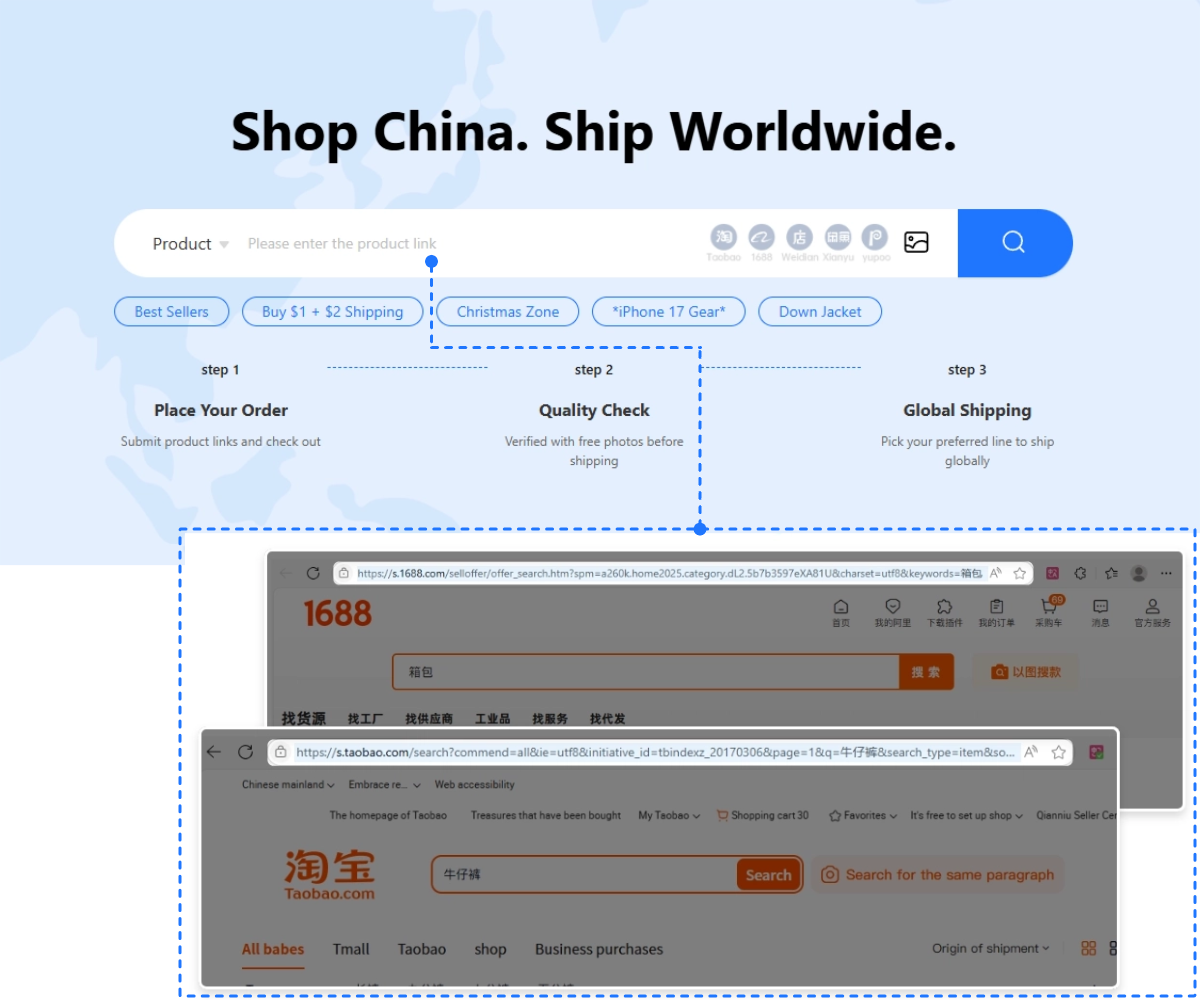
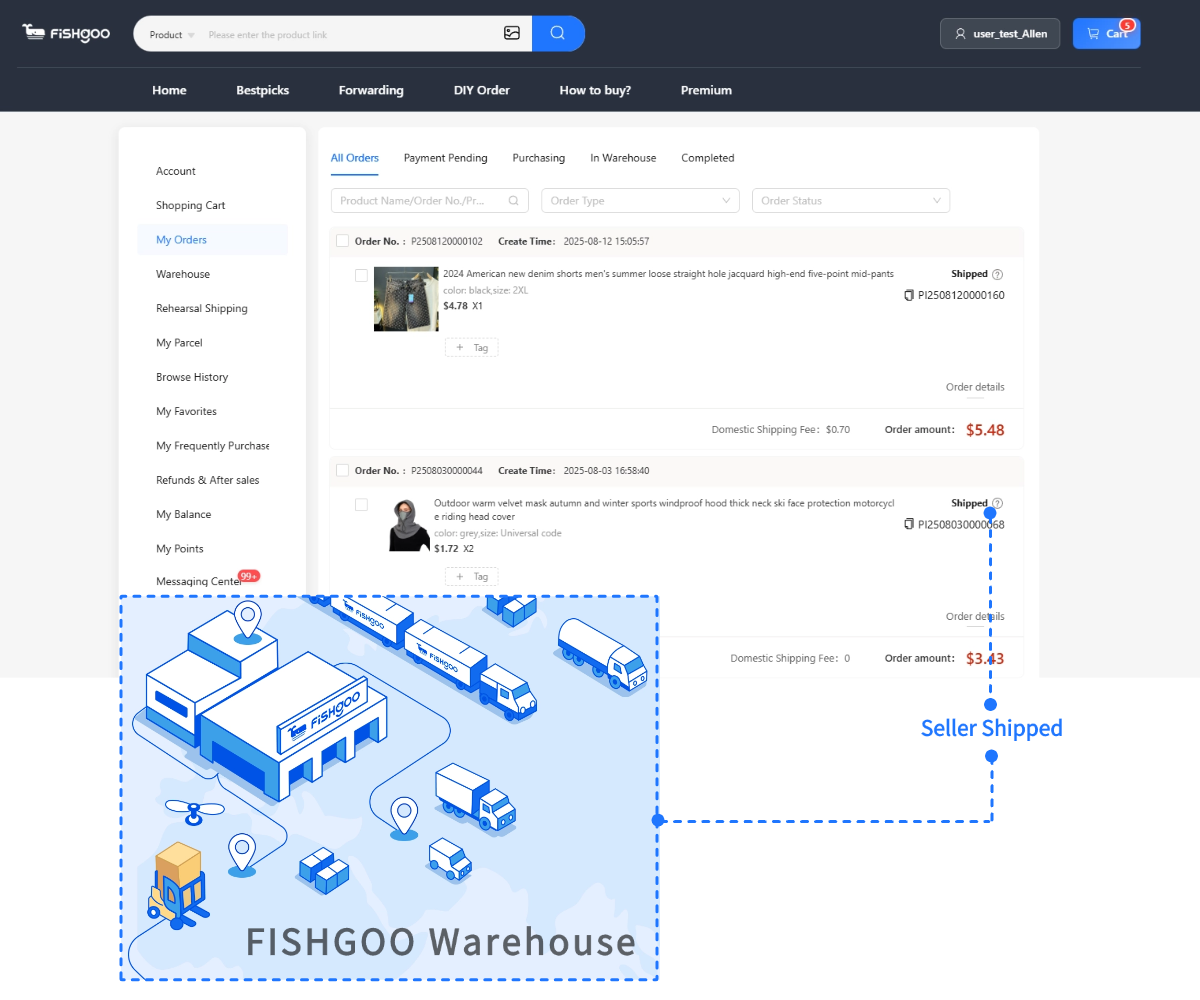
None of the Taobao and Tmall stores above ship internationally, and most don’t take a foreign card or address at checkout. A shopping agent buys on your behalf: paste the product link (the Taobao or Tmall app’s share text works too) into Fishgoo’s search box and the item opens with its price. Can’t read the shop or listing name? Searching Taobao without reading Chinese covers a few ways in. Note in your order that it’s a pre-order if the listing says 预售, and mention the seller’s stated 工期 so the buying team knows what to expect.
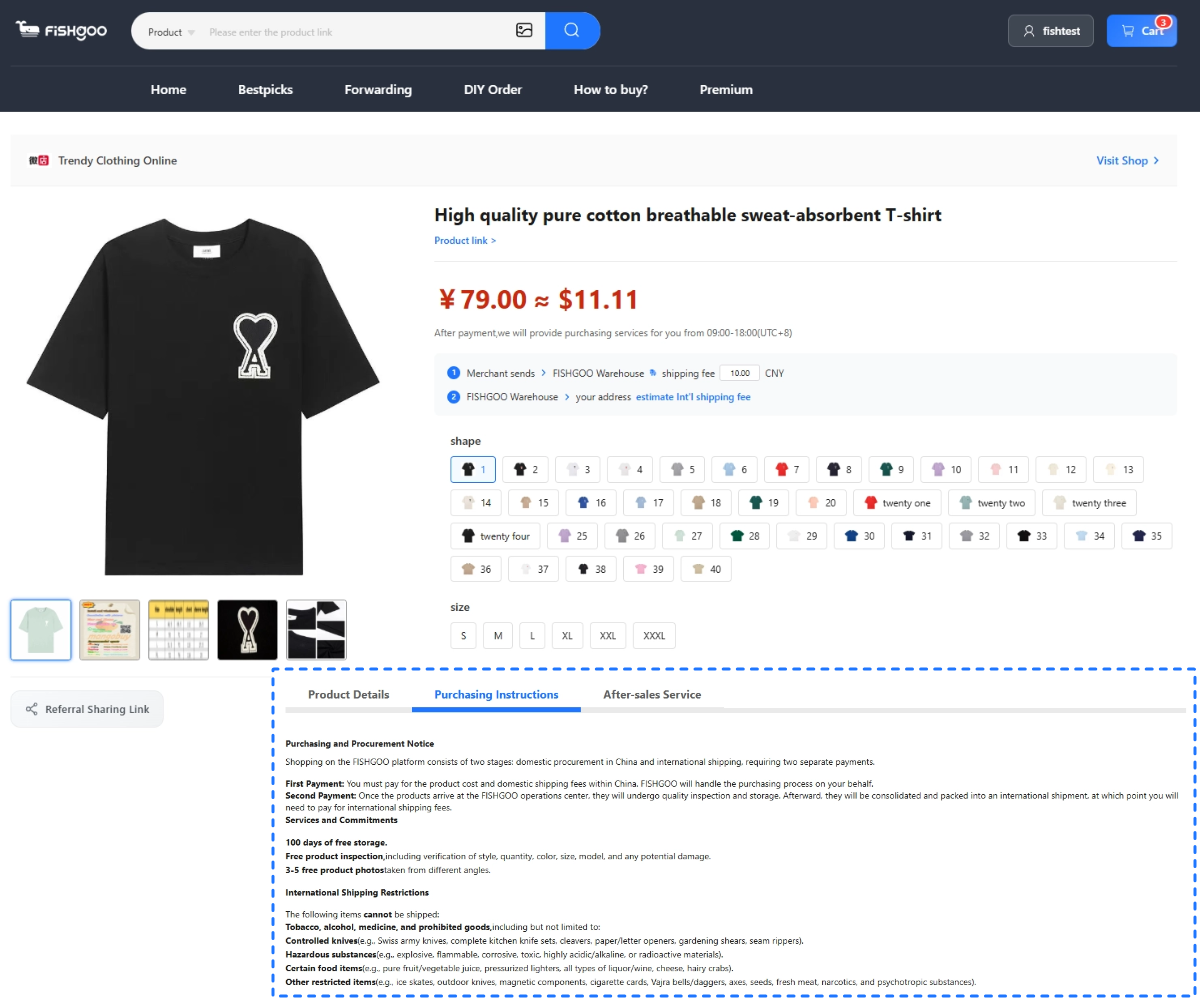
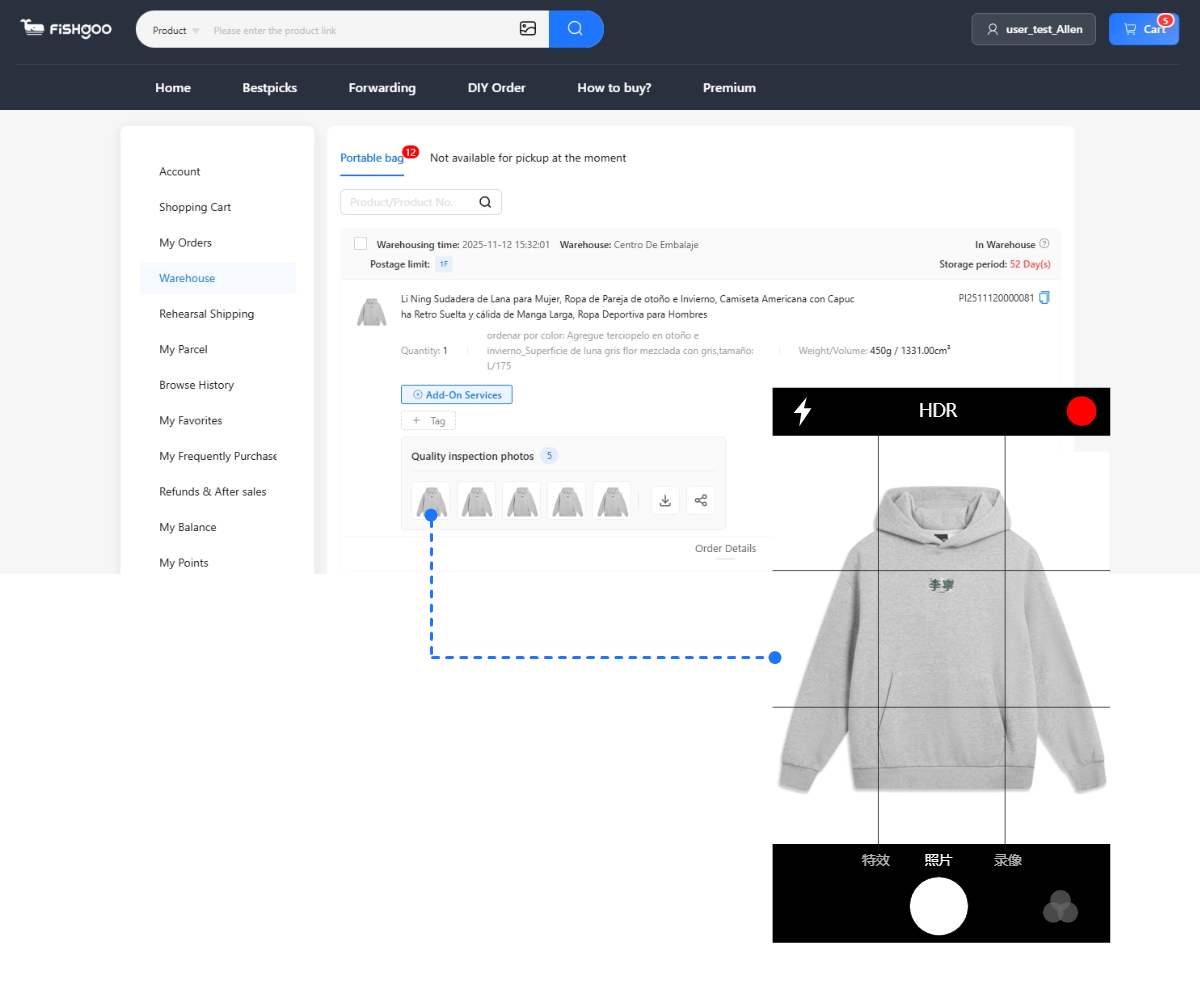
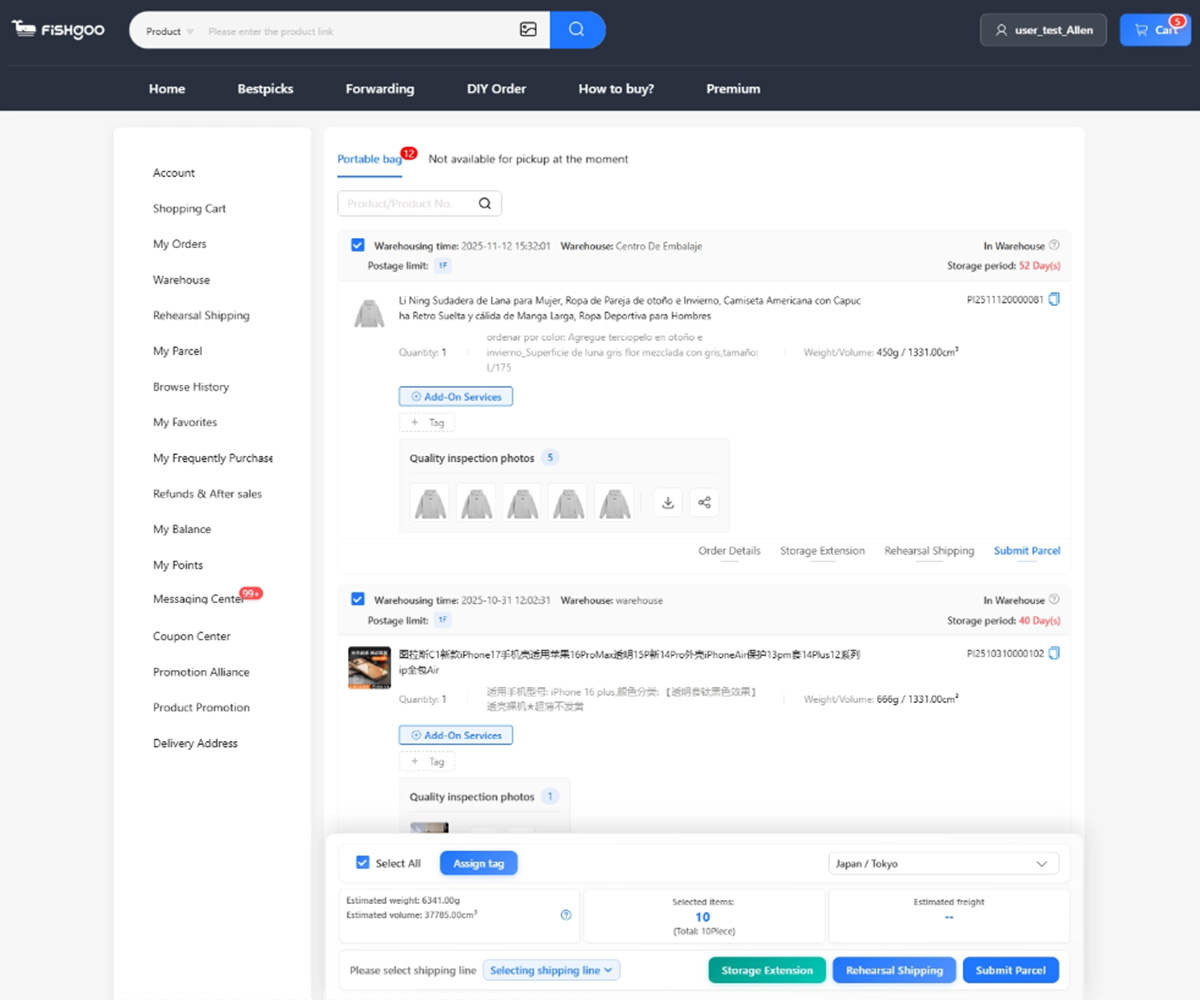
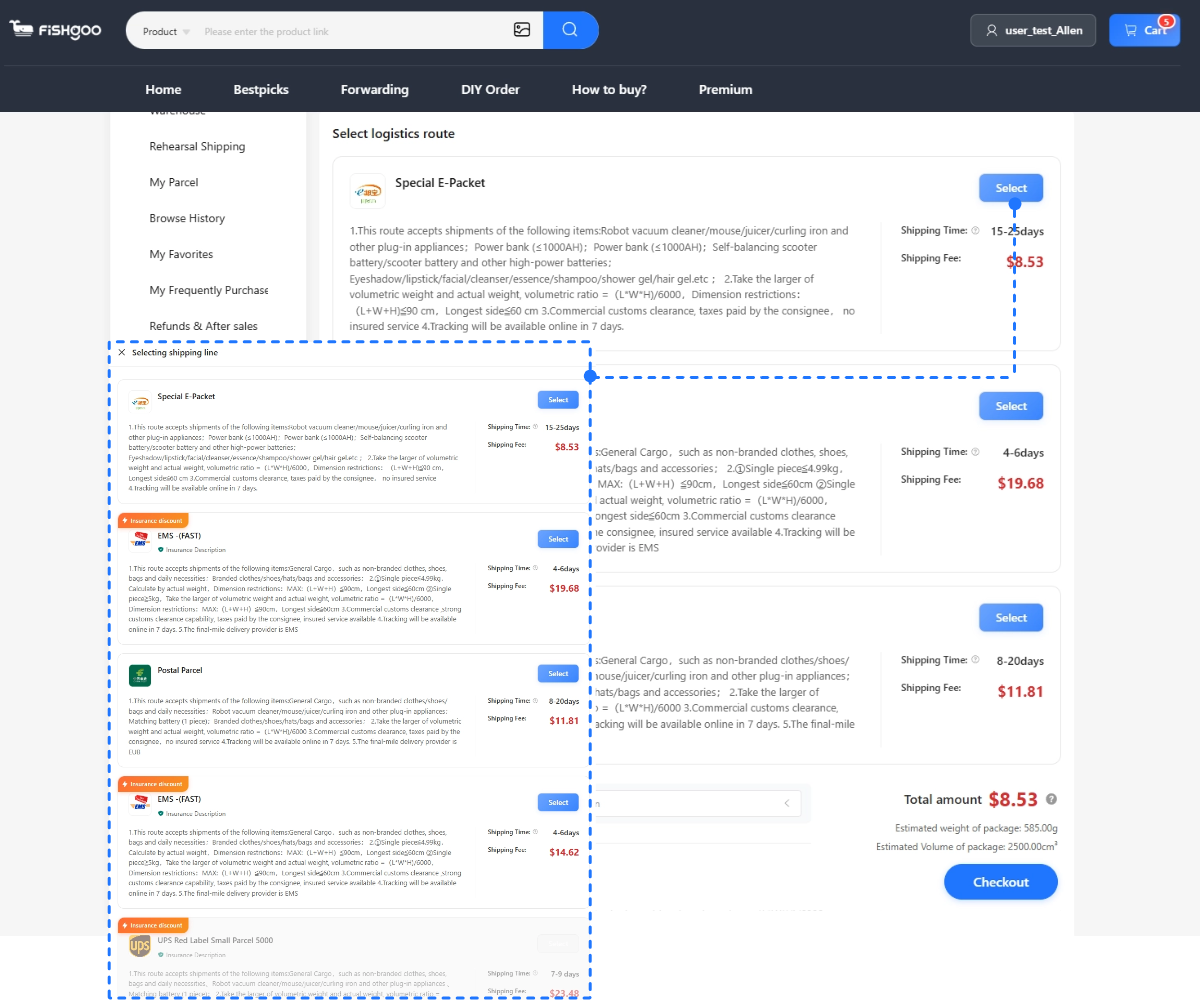
Before anything ships internationally, you get 5 free QC photos of the actual piece at the warehouse in China — worth a close look at the embroidery and the fabric on anything with 织金 or heavy stitching, since that’s where a shortcut would show. If something’s wrong, this is the point to raise it: returns work while the item is still at the warehouse, not after it has left the country. Items can also sit in free storage for up to 100 days, long enough for a pre-order with a months-long 工期 to catch up with an in-stock piece from a different shop, so the whole outfit — skirt, jacket, shoes, accessories — ships together in one parcel instead of three.
Paste the Taobao or Tmall link and see the price with QC photos included →
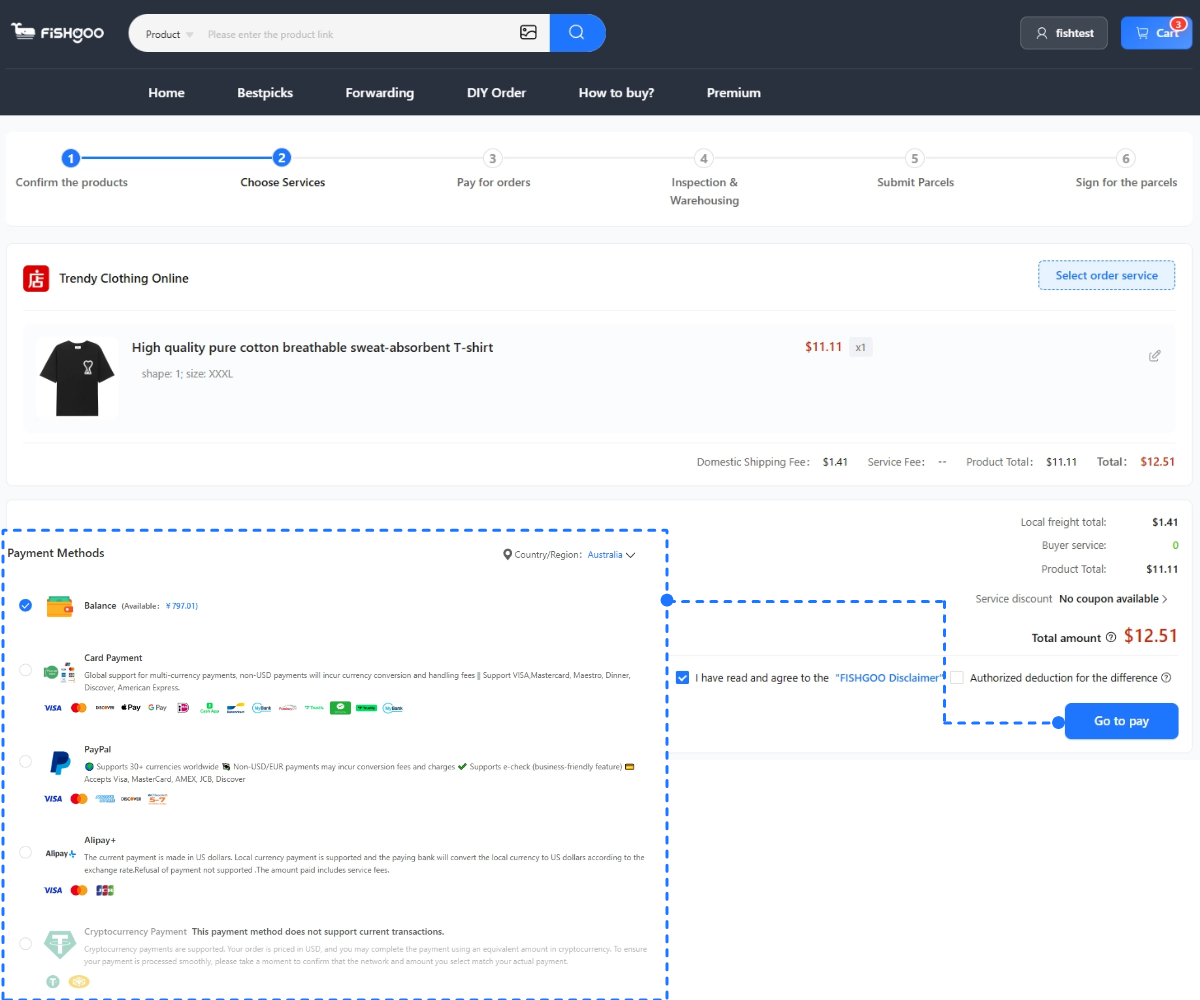
Pay with PayPal or another supported method, with 0% commission added to the item’s price; you never need a Chinese payment account to get this far.
FAQ
Where can I buy hanfu from outside China?
Almost every original-design hanfu house sells through its own store on Taobao or Tmall, priced in yuan, rather than through a Western retailer. A handful of overseas shops carry a curated, marked-up selection of a few brands; buying from the brand’s own Chinese store instead gets you its full current catalog at the domestic price, through a shopping agent that pastes the link and pays on your behalf.
Are the hanfu brands sold on Taobao real, original designs, or copies?
Both exist side by side, and the listing tells you which if you know the words. A shop is 原创 (yuánchuàng, original design) when its own studio drew the pattern. A 山寨 (shānzhài, knockoff) shop copies another studio’s embroidery pattern and cut and sells it cheaper, usually without credit. Every brand named in this guide is original-design, checked against its own storefront.
What does “hanfu” mean, and is it one historical style?
汉服 (hànfú) literally means “clothing of the Han [Chinese ethnic group],” not clothing from the Han dynasty specifically. It covers silhouettes from several dynasties — Han, Tang, Song, Ming — which shops group under period labels like 唐制 (Tang-style) or 明制 (Ming-style) rather than one single look.
Is hanfu still worn in China today, or only for photos?
Both. A smaller group wears it as everyday clothing — listings marked 日常款 (rìcháng kuǎn, daily style) are cut for movement and washing — and a much larger group wears it for festivals, graduation photos, or hanfu meetups, in heavily embroidered pieces designed for exactly that.
Can non-Chinese people wear hanfu?
Yes. Hanfu communities outside China are active, and original-design shops sell to them routinely; nothing on a listing restricts who can buy it. The etiquette that matters more than nationality is buying from the studio that actually designed the piece rather than a knockoff.
Is hanfu Chinese or Korean?
Chinese. Hanfu (汉服) and the Korean hanbok are distinct garments, each with its own construction, proportions and history. Hanfu shops and the communities built around them are specifically about Han Chinese dress.
How long does a hanfu pre-order take to ship?
Long enough that it changes how you shop. A 预售 (yùshòu, pre-order) listing states its own production window — anything from a few weeks to several months for heavily embroidered or made-to-order pieces — and that clock starts once any deposit and balance are both paid, not on the day you first ordered.
What size should I order?
Go by the seller’s own chart, not your usual S/M/L. Most listings give a height range or 胸围/腰围 (bust/waist circumference) in centimeters per size, plus a 均码 (jūnmǎ, one-size) option for wrap-style skirts with a tie waistband that adjusts within a range. Measure yourself the same way and match the number, not the letter.
Next steps
New to buying through an agent? The step-by-step Fishgoo tutorial walks through every screen, from pasting a link to paying for shipping. Once the search box makes sense, searching Taobao without reading Chinese covers more ways to track down one specific piece by name or photo.


Start with one product, sample or restock task
Send the product link or description, approximate quantity and destination. Review the scope before any paid purchasing work begins.