Cheapest Taobao Agent in 2026: We Did the Math So You Don’t Have To
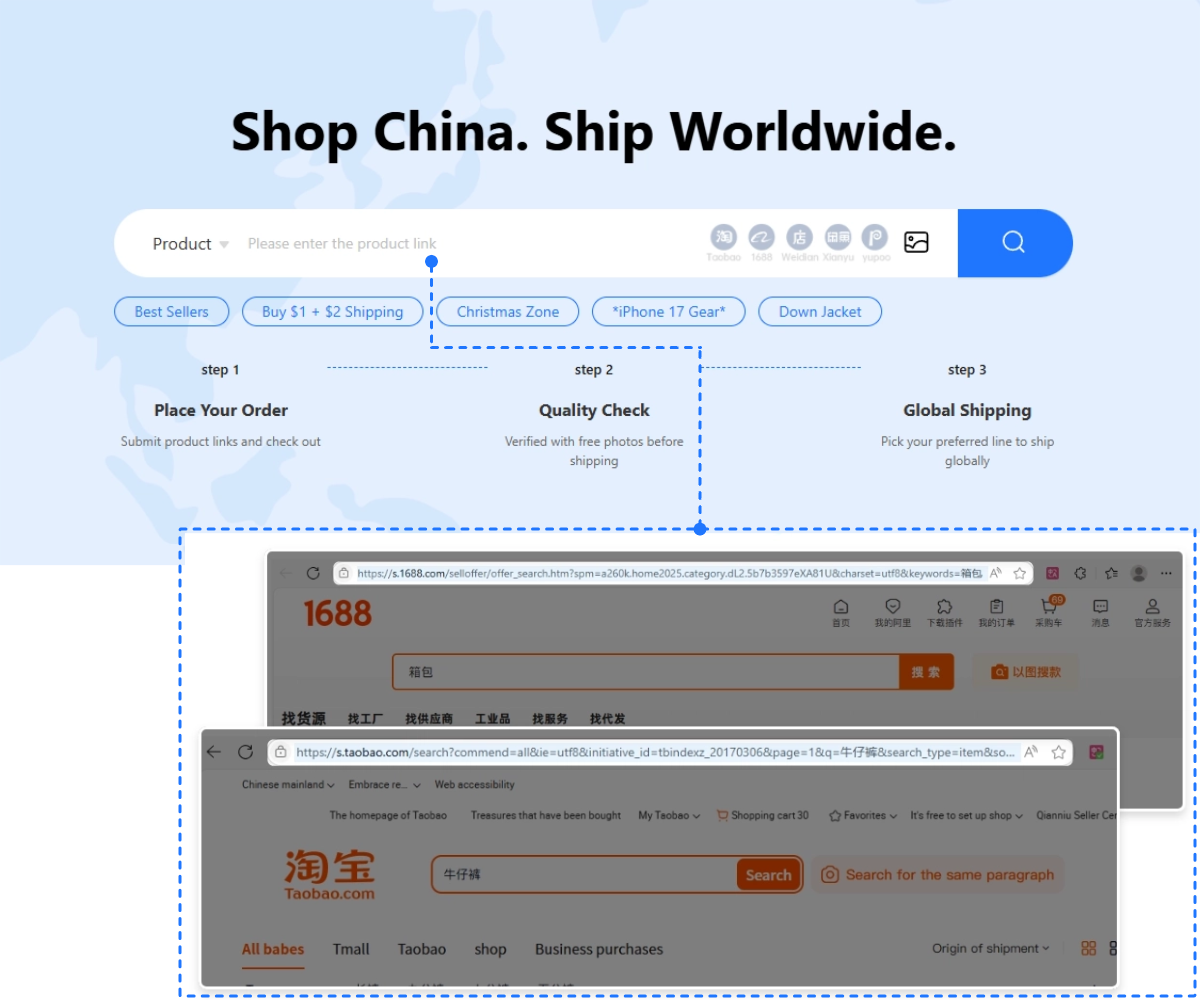
Where Fishgoo saves you money: a 0% purchasing service fee on the item side, 100 days of free storage so you can consolidate many orders into one parcel, 2,000+ shipping routes to compare, and…
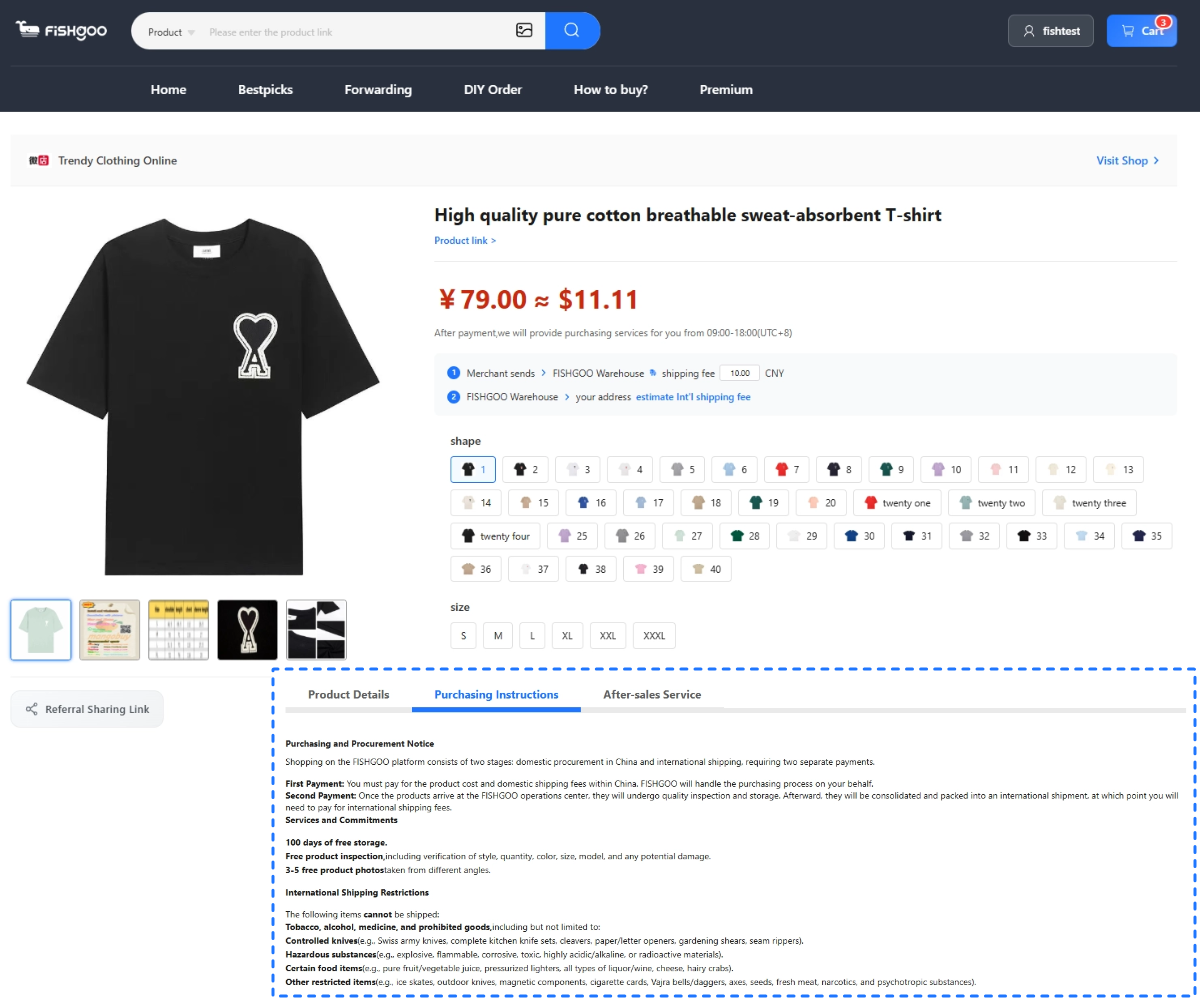
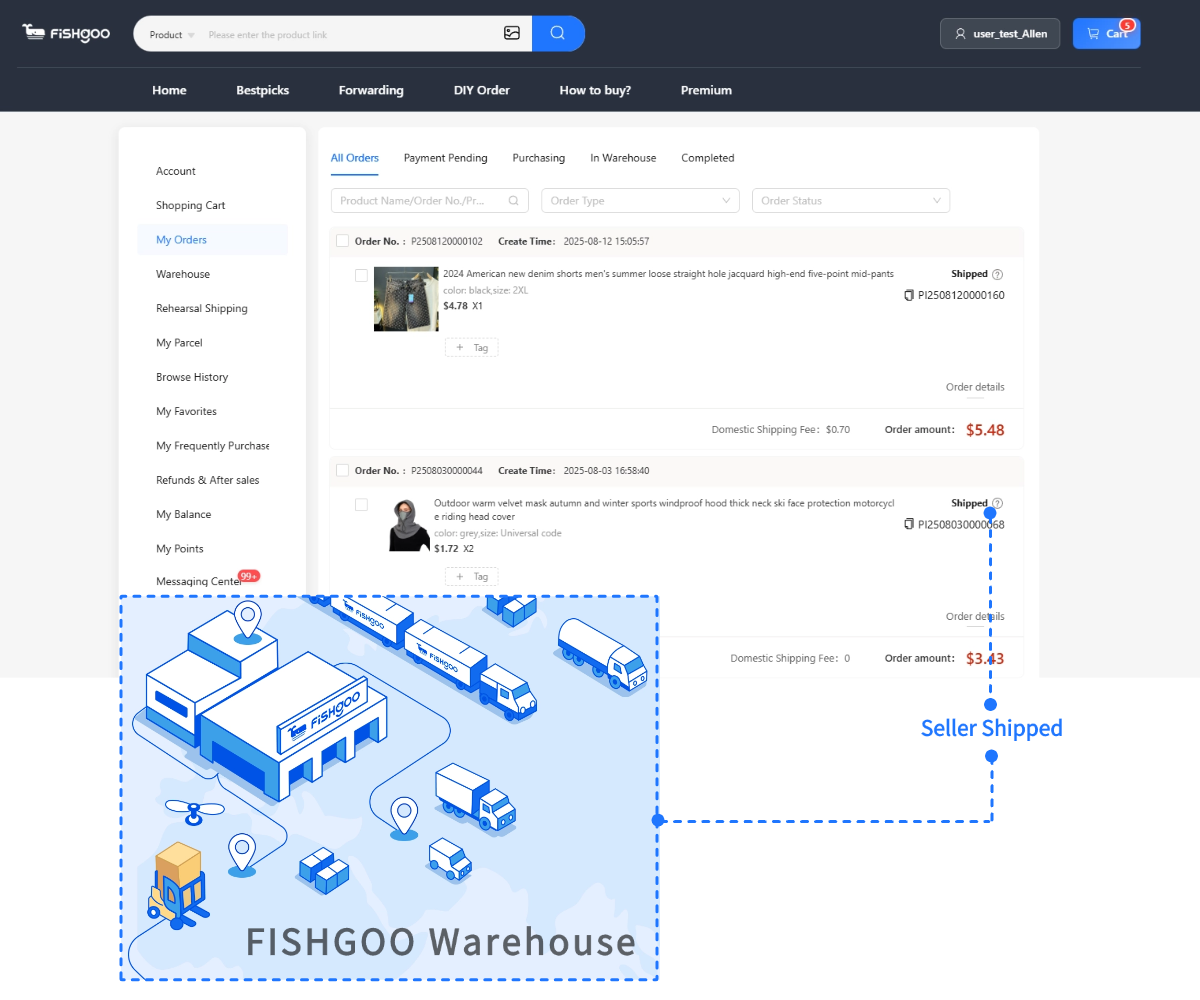
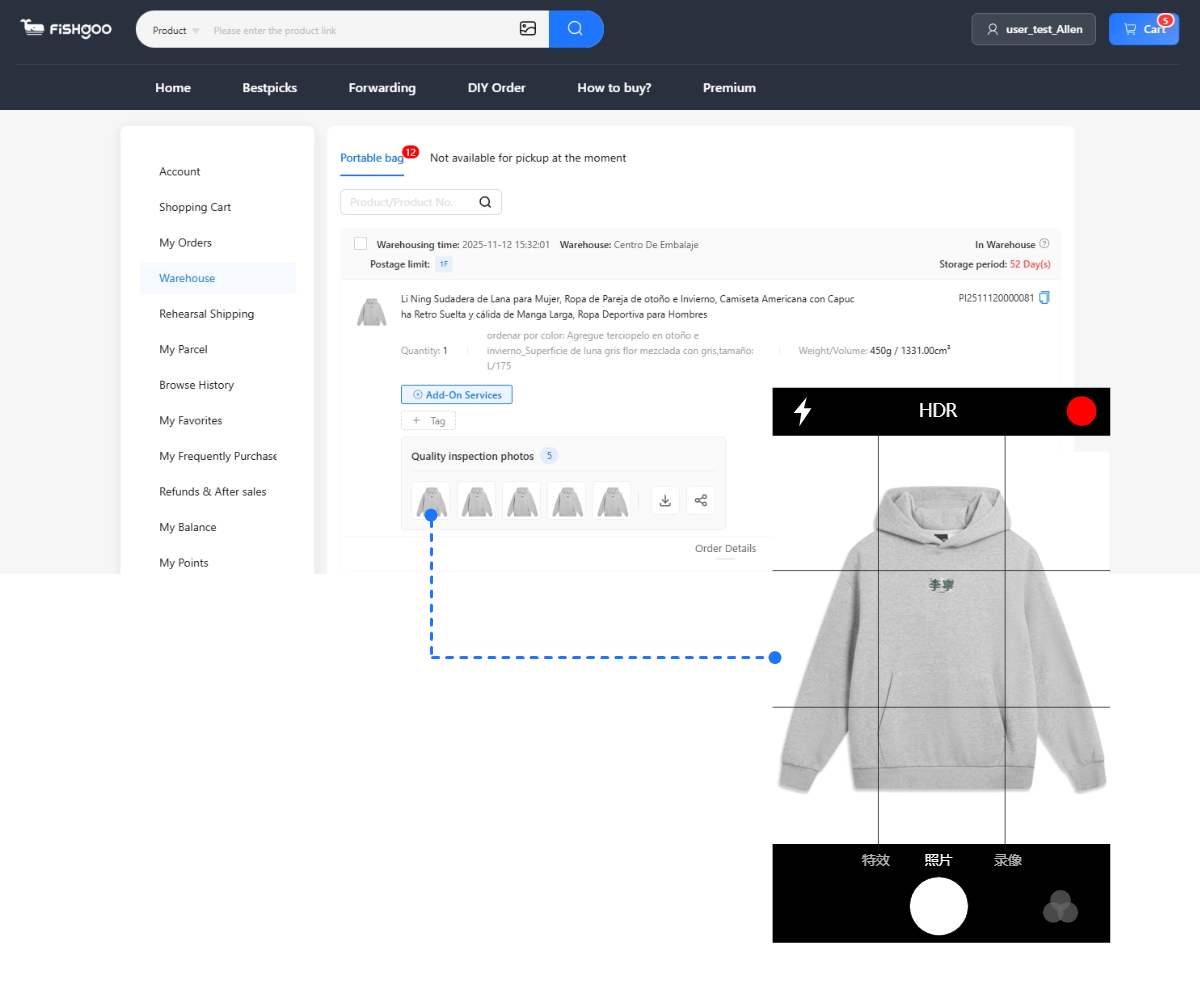
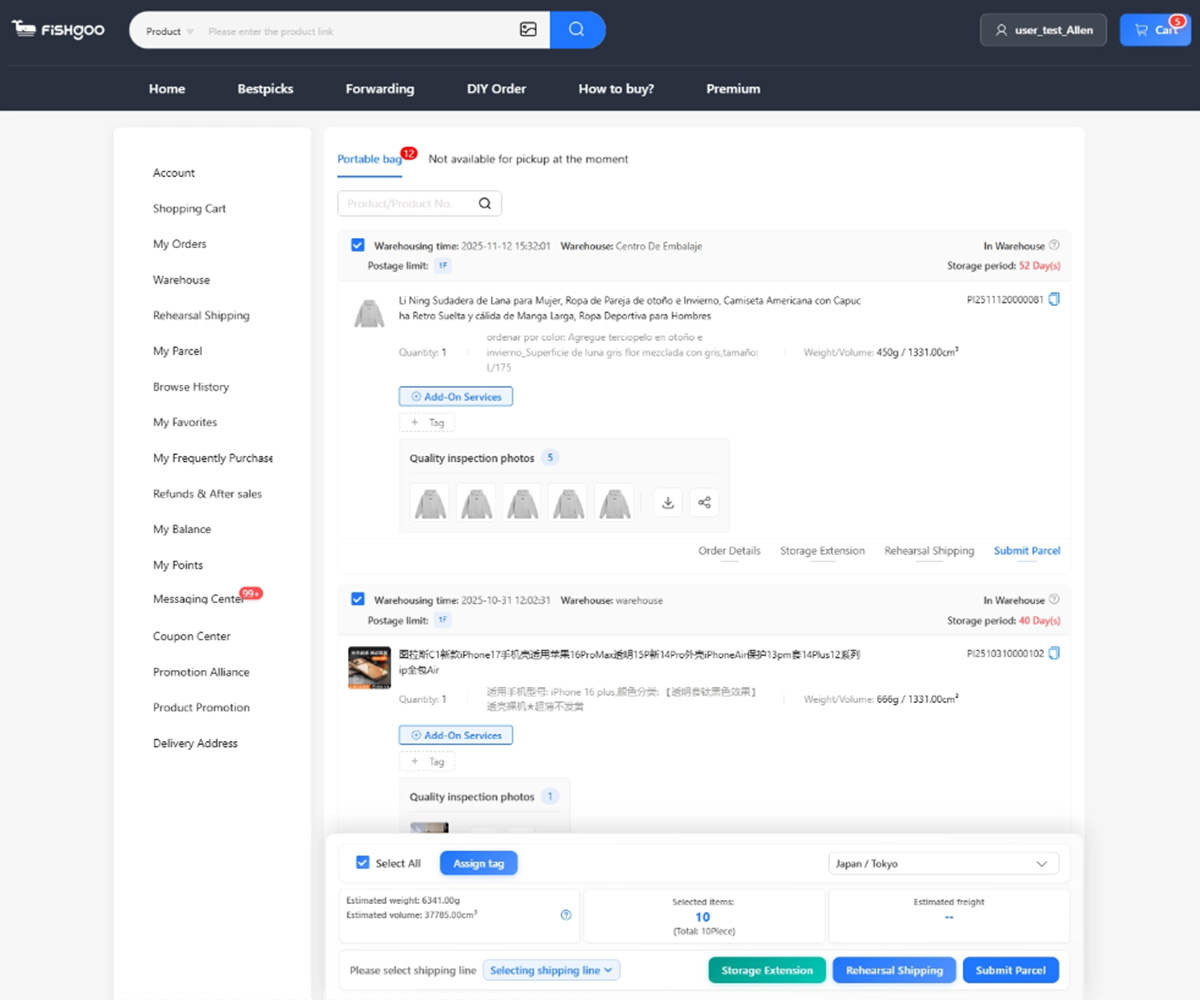
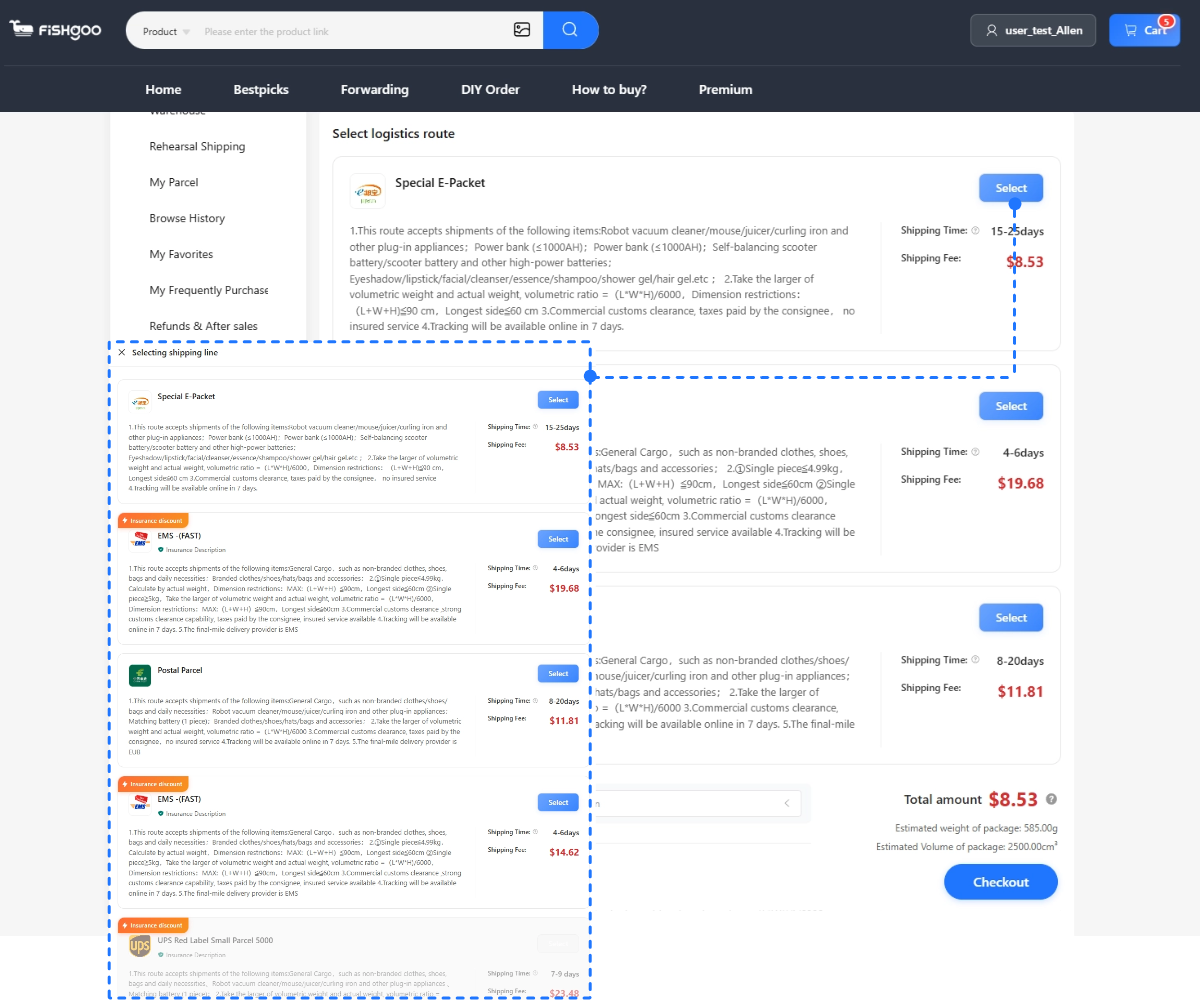
Where Fishgoo saves you money: a 0% purchasing service fee on the item side, 100 days of free storage so you can consolidate many orders into one parcel, 2,000+ shipping routes to compare, and 5 free QC photos so you catch problems before paying for international shipping.
Every agent claims to be affordable. “Lowest fees!” “Best rates!” “Save more with us!” The marketing all bleeds together after a while.
So I did something these agents probably don’t want me to do: I took the same ¥1,000 order, ran it through eight different agents, and compared what I’d actually pay in US dollars at the end — product cost, service fee, exchange rate, the works. No cherry-picking. No hypotheticals. Just real numbers on real platforms.
The results surprised me. The agent with the lowest advertised fee wasn’t the cheapest. The agent with the “0% fee” wasn’t a gimmick — it was genuinely the best deal. And the difference between the cheapest and most expensive agent on the same ¥1,000 order was over $18. On a single order. Multiply that across a year of regular shopping and you’re looking at hundreds of dollars.
Let’s break it all down.
→ New to Taobao agents? Start with our Complete Taobao Agent Guide first.
Which Taobao Agent Is Cheapest Overall?
Which Taobao agent is cheapest depends on your parcel, not on one headline number. Total landed cost includes the item price, domestic shipping inside China, the purchasing service fee, exchange-rate handling, international shipping, optional packing, and storage fees if you wait a long time before shipping.
A zero service fee lowers one line of that total, not all of it. Fishgoo charges a 0% purchasing service fee and includes 5 free QC photos per item and 100 days of free warehouse storage; buyers still pay the item cost and shipping. On heavy or bulky parcels, comparing routes — Fishgoo lists 2,000+ — usually saves more than the service fee itself.
Table of Contents
- Why “Service Fee” Is a Misleading Number
- The 3 Costs That Actually Matter
- Real Test: ¥1,000 Order Across 8 Agents
- Shipping Cost Comparison
- Total Cost Rankings (Product + Fee + Shipping)
- Hidden Fees Most People Miss
- Cheapest Agent For Your Specific Situation
- FAQ
1. Why “Service Fee” Is a Misleading Number
I fell for this early on. An agent advertised 3% service fee. Another advertised 5%. Obviously 3% is cheaper, right?
Wrong.
The 3% agent had an exchange rate markup of about 4.5% above the real market rate. So my “3% fee” was actually costing me roughly 7.5% when I added the hidden rate inflation. The 5% agent? Their exchange rate was only 1% above market. Total real cost: about 6%. The “more expensive” agent was actually cheaper.
This is the oldest trick in the Taobao agent industry, and it catches people constantly. The service fee is the visible number. The exchange rate is the invisible one. And the invisible number is where a lot of agents make their real money.
Some agents are upfront about it. Fishgoo charges zero service fee and openly makes a margin on the exchange rate — but that margin is modest enough that the total cost consistently beats agents charging 3-5% plus their own rate markups. It’s a cleaner model. One number to check instead of two.
Other agents stack both: a visible service fee AND an inflated exchange rate. You’re paying twice and might not even know it.
Bottom line: never compare agents by service fee alone. Compare by what you actually pay in your currency for the same product.
→ Deep dive into every fee type: Taobao Agent Fees Explained
2. The 3 Costs That Actually Matter
When you buy through a shopping agent, your total spend breaks into three buckets. You need to compare all three between agents to know who’s genuinely cheapest.
Cost #1: Product price + service fee
The item costs ¥200 on Taobao. An agent with a 5% fee charges you ¥200 + ¥10 = ¥210 worth of your currency. An agent with 0% fee charges you ¥200 flat. Simple.
Service fees across major agents:
| Agent | Service Fee |
|---|---|
| Fishgoo | 0% |
| Mulebuy | ~0% |
| CSSBuy | ~3% |
| Superbuy | ~5% |
| Sugargoo | ~5% |
| Wegobuy | ~5% |
| Pandabuy | ~5% |
| ParcelUp | ~10% |
| 42Agent | ~10% |
Cost #2: Exchange rate markup
This is the sneaky one. Every agent converts yuan to your currency at some rate. The question is: how far is their rate from the real mid-market rate?
A 1% markup on a ¥1,000 order adds about $1.38. A 4% markup adds about $5.50. Doesn’t sound like much, but on a ¥5,000 haul, that 4% markup costs you $27.50 extra — on top of whatever service fee you’re already paying.
Exchange rate markups are harder to compare because they fluctuate. The best approach: when you’re ready to check out, look at what the agent charges per yuan versus the current rate on Google or XE.com. Anything under 2% above mid-market is reasonable. Anything above 3-4% is profit-taking.
Cost #3: Shipping
This is usually the biggest single expense, especially on smaller orders. Shipping rates vary wildly between agents for the same carrier and destination. One agent might charge $22 for EMS to the US on a 2kg parcel while another charges $28 for the identical service.
Why the difference? Agents negotiate bulk rates with carriers. Bigger agents shipping higher volumes get better deals. Agents with more shipping routes can offer more competitive options. And some agents add a markup on top of the carrier’s rate as an additional revenue stream.
→ Full shipping analysis: Taobao Agent Shipping Guide
3. Real Test: ¥1,000 Order Across 8 Agents
I priced the same hypothetical order on eight agents to see what I’d actually pay. The order: ¥1,000 in products (about $138 at the real exchange rate at the time of testing). I looked at the product subtotal + service fee + exchange rate — everything except shipping, which I’ll compare separately.
Results: product cost only (no shipping)
| Agent | Service Fee | Rate Markup (est.) | You Pay (USD) | vs. Real Rate |
|---|---|---|---|---|
| Fishgoo | 0% | ~1.5% | $140.07 | +$2.07 |
| Mulebuy | 0% | ~2% | $140.76 | +$2.76 |
| CSSBuy | 3% | ~1.5% | $144.15 | +$6.15 |
| Sugargoo | 5% | ~1% | $146.28 | +$8.28 |
| Superbuy | 5% | ~1.5% | $146.97 | +$8.97 |
| Wegobuy | 5% | ~1.5% | $147.00 | +$9.00 |
| Pandabuy | 5% | ~2% | $148.35 | +$10.35 |
| ParcelUp | 10% | ~1% | $153.18 | +$15.18 |
Note: Exchange rates fluctuate daily. These figures represent a snapshot comparison. Your actual numbers will vary slightly, but the relative ranking stays consistent.
The spread between cheapest and most expensive: $13.11 on a single ¥1,000 order. That’s roughly 9.5% more at ParcelUp than at Fishgoo for identical products.
On a ¥5,000 haul — a pretty normal consolidated order for regular buyers — that gap balloons to about $65. Do that four times a year and you’ve left $260 on the table by choosing the wrong agent.
What this tells us
Fishgoo’s zero-fee model genuinely works. The exchange rate margin is there, but at ~1.5% it’s lower than many agents’ rate markups even before their service fee gets added. The total product cost is consistently the lowest.
CSSBuy comes in second, which makes sense — the 3% fee is low, and their exchange rate is reasonable. The gap between CSSBuy and Fishgoo is about $4 on a ¥1,000 order. Not life-changing, but it adds up.
The 5% agents (Superbuy, Sugargoo, Wegobuy, Pandabuy) cluster together around $146-148. Similar cost, different experiences. You’re paying a premium for their specific strengths — Superbuy’s polish, Sugargoo’s community, Wegobuy’s storage time, Pandabuy’s beginner UX.
ParcelUp and 42Agent’s 10% fees push them firmly into premium territory. You’d need to really value their specific advantages (European support for ParcelUp, niche expertise for 42Agent) to justify paying that much more.
4. Shipping Cost Comparison
Product costs are only half the picture. Shipping is where agents diverge even more dramatically.
I compared estimated shipping for a 3kg consolidated parcel to the US via EMS-equivalent lines:
| Agent | 3kg to US (EMS) | 3kg to UK (EMS) | 3kg to Germany (EMS) |
|---|---|---|---|
| Fishgoo | $26-32 | $24-30 | $28-34 |
| CSSBuy | $25-30 | $23-28 | $27-33 |
| Sugargoo | $28-35 | $26-32 | $30-36 |
| Superbuy | $30-38 | $28-34 | $32-38 |
| Wegobuy | $29-36 | $27-33 | $31-37 |
| Pandabuy | $28-34 | $26-32 | $30-36 |
Ranges reflect different specific carriers within the EMS-speed tier. Actual rates depend on exact dimensions and current carrier pricing.
CSSBuy and Fishgoo are neck-and-neck on shipping for US and UK destinations. For EU destinations, Fishgoo’s broader route selection (2,000+ vs ~100) sometimes produces a cheaper option that CSSBuy simply doesn’t have.
The difference is even starker for less common destinations. Ship to Brazil, the Philippines, or Saudi Arabia, and an agent with 50-100 routes might have one expensive option while Fishgoo offers four or five at different price points. Route variety is a cost advantage that doesn’t show up until you actually need it.
→ Regional cost breakdowns: Taobao Agent Shipping Guide
5. Total Cost Rankings (Product + Fee + Shipping)
Now let’s put it all together. A ¥1,000 order (~$138 real value) shipped as a 3kg parcel to the US via an EMS-speed line. Total cost = product with fee and exchange + shipping.
| Rank | Agent | Product Cost | Shipping (est.) | Total | Premium vs #1 |
|---|---|---|---|---|---|
| 🥇 | Fishgoo | $140 | $29 | $169 | — |
| 🥈 | CSSBuy | $144 | $28 | $172 | +$3 |
| 3 | Sugargoo | $146 | $31 | $177 | +$8 |
| 4 | Pandabuy | $148 | $31 | $179 | +$10 |
| 5 | Wegobuy | $147 | $33 | $180 | +$11 |
| 6 | Superbuy | $147 | $34 | $181 | +$12 |
| 7 | ParcelUp | $153 | $30 | $183 | +$14 |
Fishgoo wins by $3 over CSSBuy and by $8-14 over the 5% and 10% agents. On this single order.
Now extrapolate. A buyer placing one ¥1,000 order per month saves roughly $36-168 per year choosing Fishgoo over the competition. A more active buyer doing ¥3,000-5,000 monthly? The annual savings climb into the $200-500 range.
That’s not coupon-clipping savings. That’s a meaningful chunk of money — enough to fund several more orders.
6. Hidden Fees Most People Miss
Beyond the service fee, exchange rate, and shipping, there are other costs that vary by agent. These are the ones that sneak up on you after you’ve already committed.
QC photo fees
Most good agents include free QC photos — typically 3-5 per item. But some charge for additional photos, detailed close-ups, or video inspection. If you’re buying items where inspection matters (shoes, designer-style goods, electronics), these add-on fees can accumulate.
Fishgoo: 5 free HD photos. Additional angles available on request. Video inspection available as a paid option.
Superbuy: 3 free photos. Extra photos cost a small fee per image.
CSSBuy: 3 free photos. Similar paid extras.
Storage fees
All agents offer a free storage period — typically 60-90 days. After that, daily or monthly fees kick in. If you’re a slow shopper who accumulates items over months before shipping, this matters.
Wegobuy stands out with 180 days free. Fishgoo offers 100 days, and most others offer 90 days. 42Agent gives you only 30 days, which is tight.
Return handling fees
Returning an item to a Chinese seller through your agent is usually free or very cheap (domestic shipping within China costs almost nothing). But some agents charge a small “handling fee” for processing the return — ¥5-15 per return. Not a huge deal on a single return, but worth knowing if you frequently exchange items.
Insurance and value-added services
Extra bubble wrap, moisture-proof bags, corner protection, parcel insurance — these are all available on most agents for small fees. Usually ¥2-10 per service. Not hidden exactly, but they add up if you check every box without thinking about whether you actually need them.
My rule: I add extra protection for fragile items (ceramics, electronics, glass). For clothing and shoes, standard packing is fine.
Recharge/top-up minimum
Some agents require you to load a minimum balance into your account before ordering (e.g., $10-20 minimum top-up). This isn’t a fee per se, but it locks money into the platform. Not a dealbreaker, but worth noting. Fishgoo and most agents now let you pay per order without pre-loading.
7. Cheapest Agent For Your Specific Situation
The “cheapest” agent isn’t the same for everyone. Your destination, order size, and shopping habits shift the math. Here’s a breakdown by scenario.
Cheapest for small orders (under ¥500)
Winner: Fishgoo
On small orders, the service fee percentage matters more because shipping is a larger share of total cost regardless. Fishgoo’s 0% fee means you’re not losing ¥15-50 on a small purchase just in service charges. That ¥15 might be 5-10% of a small order — significant at this scale.
Cheapest for large hauls (¥3,000+)
Winner: Fishgoo, with CSSBuy close behind
On a ¥3,000 order, Fishgoo saves roughly $9-12 versus CSSBuy and $25-40 versus 5% agents on the product side alone. Shipping costs converge more at this scale (the per-kg rate matters more than the base rate), so the product fee difference is the main lever.
Cheapest for US buyers
Winner: Fishgoo or CSSBuy
Both have competitive EMS and economy rates to the US. Fishgoo’s edge is the zero fee. CSSBuy’s edge is occasionally slightly lower DHL rates. The difference is marginal — pick either and you’re getting a good deal. I’d give the overall nod to Fishgoo because of the broader route selection.
Cheapest for EU buyers
Winner: Fishgoo
EU buyers face two cost pressures: shipping rates and customs duties. Fishgoo’s zero fee helps on the product side. The extensive tax-free shipping options (taxes-included: import charges are prepaid in the route price) help on the customs side. And the 2,000+ routes mean more competitive carrier pricing to specific EU countries than agents with limited European coverage.
ParcelUp has European customer support, which is nice — but the 10% service fee makes it substantially more expensive overall.
Cheapest for Southeast Asia / Middle East
Winner: Fishgoo (by a wider margin)
This is where route count really flexes. Agents with 50-100 routes often have one or two options for destinations like Malaysia, Thailand, Philippines, Saudi Arabia, or UAE. Fishgoo with 2,000+ routes typically offers four to eight options per country, creating genuine price competition. I’ve seen $8-15 differences in shipping to Southeast Asia between Fishgoo and agents with limited routes — on the same weight parcel.
Cheapest for 1688 wholesale orders
Winner: Fishgoo
When buying in bulk from 1688, the service fee percentage really stings. A ¥10,000 wholesale order at 5% fee = ¥500 ($69) in fees alone. At Fishgoo’s 0% fee? Zero. The exchange rate margin on ¥10,000 might cost you $20-25 — still saving $44+ over a 5% agent. For resellers and bulk buyers, this is the biggest single differentiator.
Cheapest if you ship infrequently
Winner: Fishgoo or Wegobuy
If you only ship once every few months, you need long storage (to accumulate orders without pressure) and low fees (since each order counts). Fishgoo offers 100 days and 0% fee. Wegobuy offers 180 days but charges 5%. If your shopping pace is glacial and you need 4-6 months of storage, Wegobuy’s longer window might justify the fee. For most people, 90 days is plenty.
FAQ
Which is the absolute cheapest Taobao agent?
Fishgoo is the cheapest overall when you combine service fee (0%), exchange rate (~1.5% margin), and shipping (competitive thanks to 2,000+ routes). CSSBuy is the cheapest among agents that charge a traditional service fee (~3%).
Is a 0% fee agent really free?
Not entirely — they make money on the exchange rate margin. But that margin is typically smaller than what you’d pay through a service fee plus exchange rate combo at other agents. On our test orders, Fishgoo’s total product cost was consistently the lowest, beating even CSSBuy’s 3% fee after accounting for rates.
Why is shipping so expensive compared to the products?
International shipping has base costs that don’t scale linearly with product value. A $5 tee and a $50 jacket cost roughly the same to ship if they weigh the same. The solution: order consolidation. Combine many items into one parcel and the per-item shipping cost plummets.
→ Detailed tips: Taobao Agent Shipping Guide
Is cheaper always better?
Not automatically. CSSBuy is cheap but the interface is clunky and support hours are limited. 42Agent is expensive but provides specialized knowledge for niche products. Fishgoo happens to be both cheap AND full-featured — 5 free QC photos, 2,000+ routes, PayPal support — which is why it tops our overall ranking too, not just the cost ranking.
How do I check the exchange rate markup?
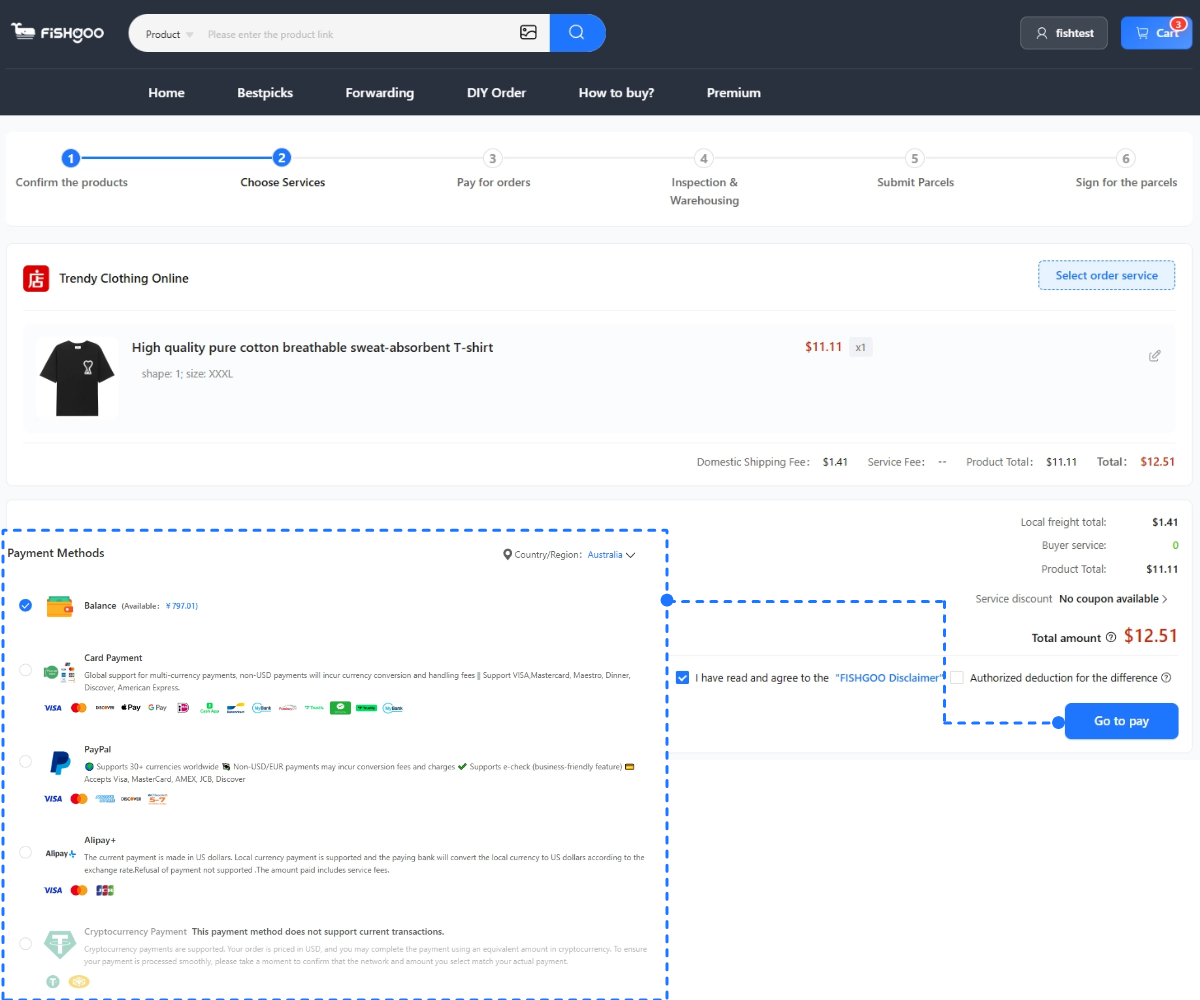
When you’re at checkout on any agent, note the yuan amount and the dollar (or your currency) amount being charged. Divide the dollar amount by the yuan amount to get the agent’s effective rate. Then check the real rate on Google (“1 USD to CNY”). Compare. A difference under 2% is reasonable. Over 3-4% is aggressive.
Are there any hidden fees I should watch for?
The main ones: exchange rate inflation beyond the service fee, extra charges for QC photos, storage fees after the free period, and shipping markups above carrier rates. Fishgoo avoids most of these — 5 free QC photos, 100-day storage, transparent pricing. But always read the fine print on any agent before committing.
Which agent is cheapest for buying from China to Europe?
Fishgoo, because of the zero fee combined with extensive tax-free shipping options for EU countries. Tax-free lines alone can save EU buyers $15-30 per shipment in customs duties — often more than the shipping cost difference between agents.
Can I use Taobao in English without paying an agent?
Partly. Recent Taobao app versions let you switch the interface to English, and browser translation makes listings readable — but payment still needs Alipay with a Chinese bank account, and sellers only ship within China. Our Taobao in English guide walks through the app language switch, the official English app (4 countries only), and exactly where each free option stops. A zero-fee agent like Fishgoo is usually the cheapest way to actually complete the purchase in English.
Service Comparison: What Each Agent Publishes
The table below records what each agent states on its own official homepage, checked in August 2026. “Not published” means the figure was not stated there at the time of checking — it may be available elsewhere on their site or on request.
| Agent | Purchasing service fee | Free QC photos | Free storage | Shipping routes |
|---|---|---|---|---|
| Fishgoo | 0% | 5 per item | 100 days | 2,000+ |
| Superbuy | Not published | 3 | 90 days | 100+ |
| Sugargoo | Not published | Not published | Not published | Not published |
| CSSBuy | Not published | Not published | Not published | Not published |
| CNFans | Not published | Not published | Not published | Not published |
| ACBuy | Not published | Not published | Not published | Not published |
Figures are self-published by each agent and can change; always verify current terms before ordering. Fees beyond the purchasing service fee — international shipping, optional value-added services, and any customs charges — apply with every agent.
The Bottom Line
The cheapest Taobao agent in 2026 is Fishgoo. Not because it claims to be — but because when you stack up product cost, exchange rate, and shipping across real orders, the numbers consistently come in lowest.
CSSBuy earns a solid second place, especially for US and UK buyers where its DHL rates are sometimes marginally lower. But Fishgoo’s zero fee and massive shipping route network give it the edge for most people in most situations.
The 5% agents — Superbuy, Sugargoo, Wegobuy, Pandabuy — all do solid work. You’re paying $8-12 more per ¥1,000 order for their specific strengths. Whether that premium is “worth it” is personal. But if your primary goal is to spend less? The answer is clear.
And the 10% agents? Unless their specific niche expertise is exactly what you need, the math just doesn’t add up.
→ Start saving with Fishgoo — zero service fee
→ The complete Taobao Agent Guide
→ Best Taobao Agent 2026 ranking
→ Shipping cost breakdown by region
→ How to Buy from Taobao (beginner walkthrough)
Sourcing in bulk or shipping freight?
Dedicated account manager, consolidated freight, factory-direct sourcing and payment terms — for resellers, brands and wholesale buyers.